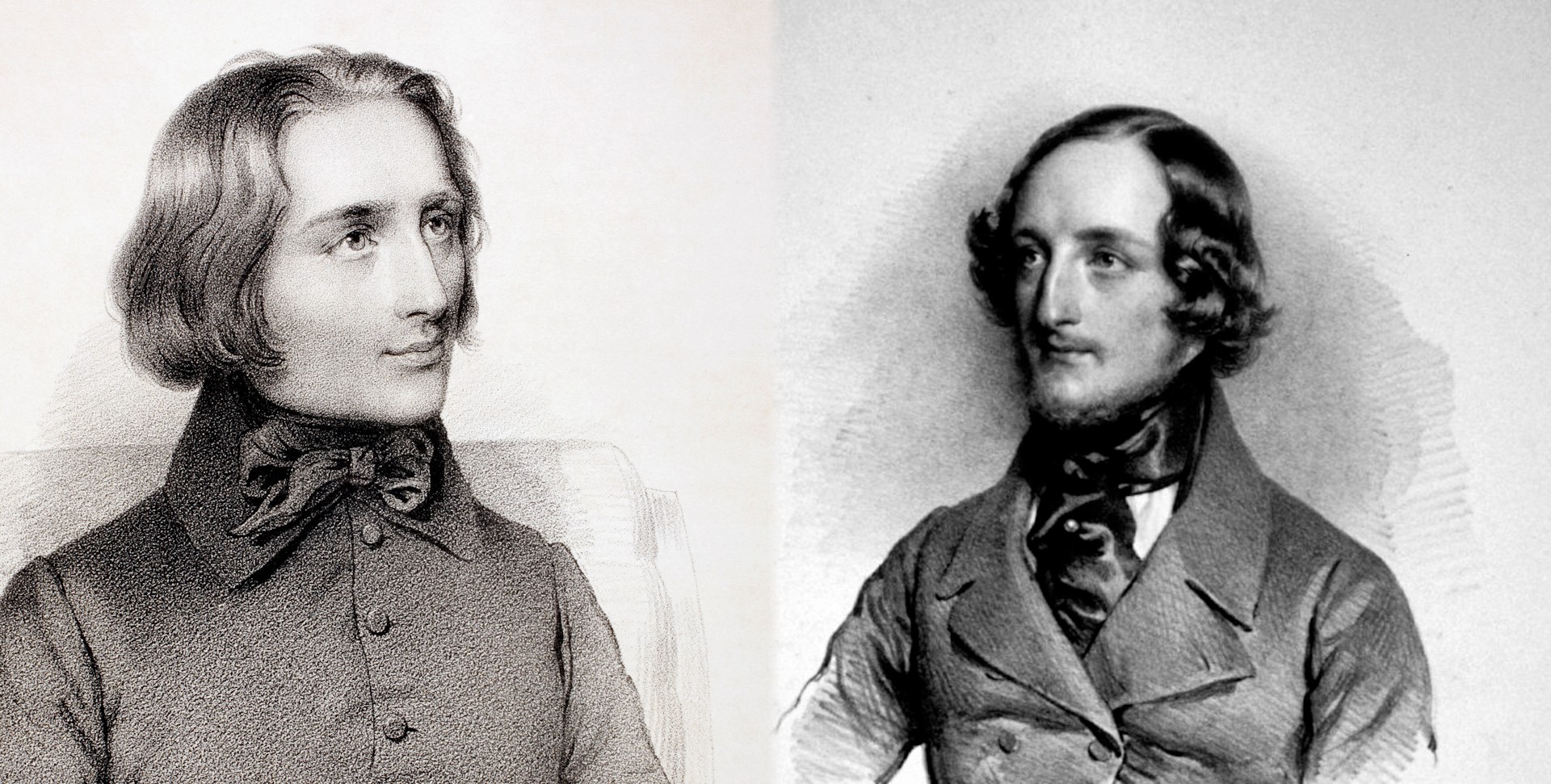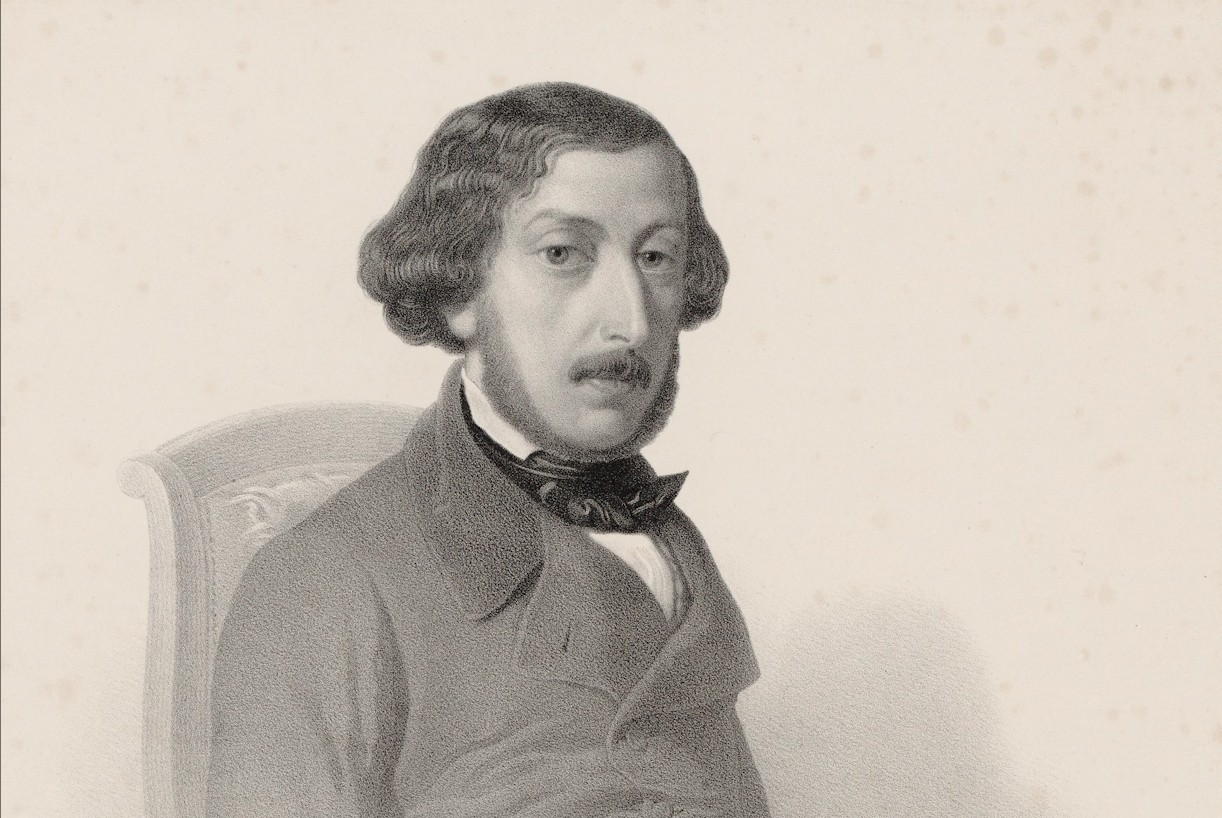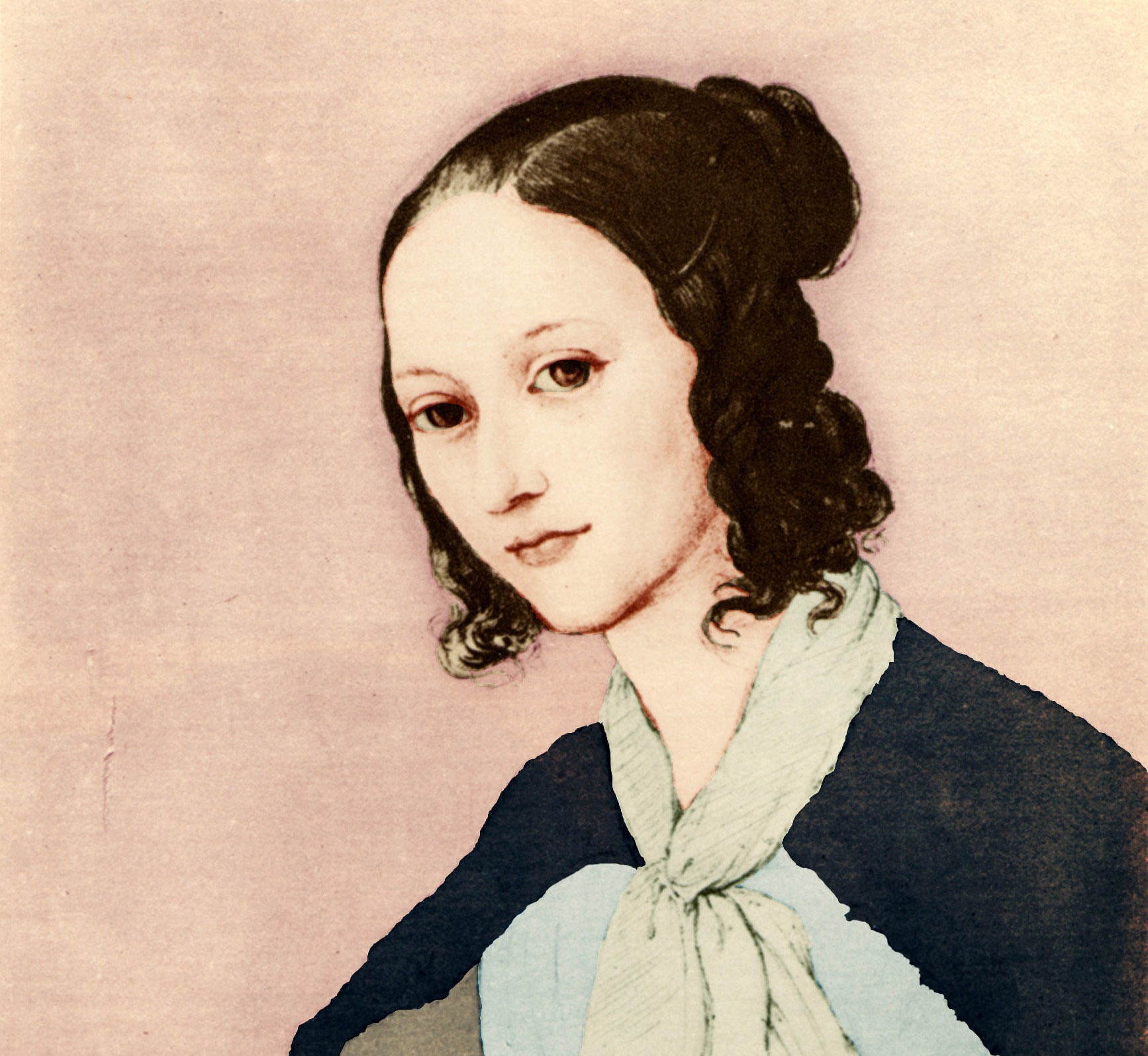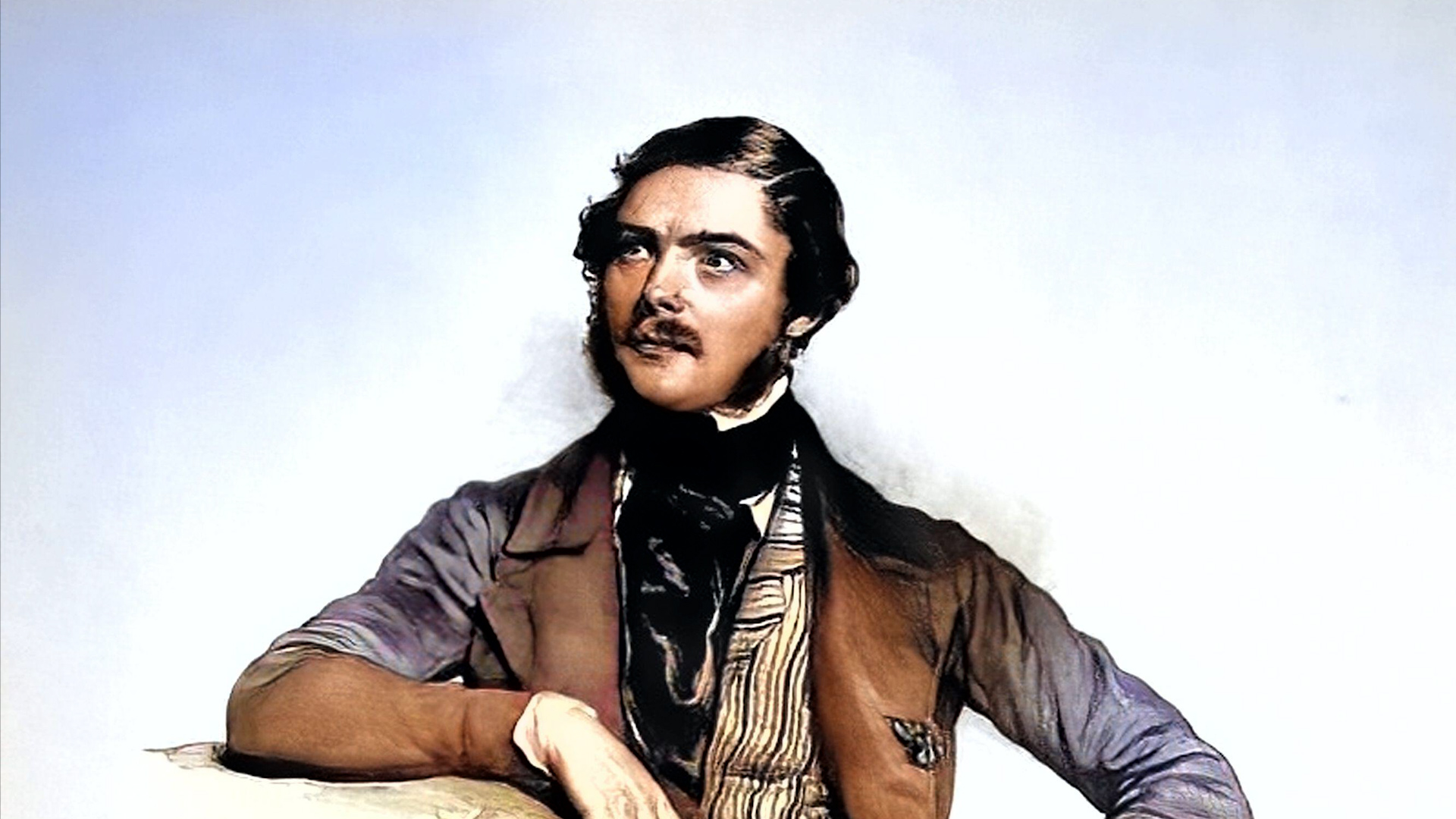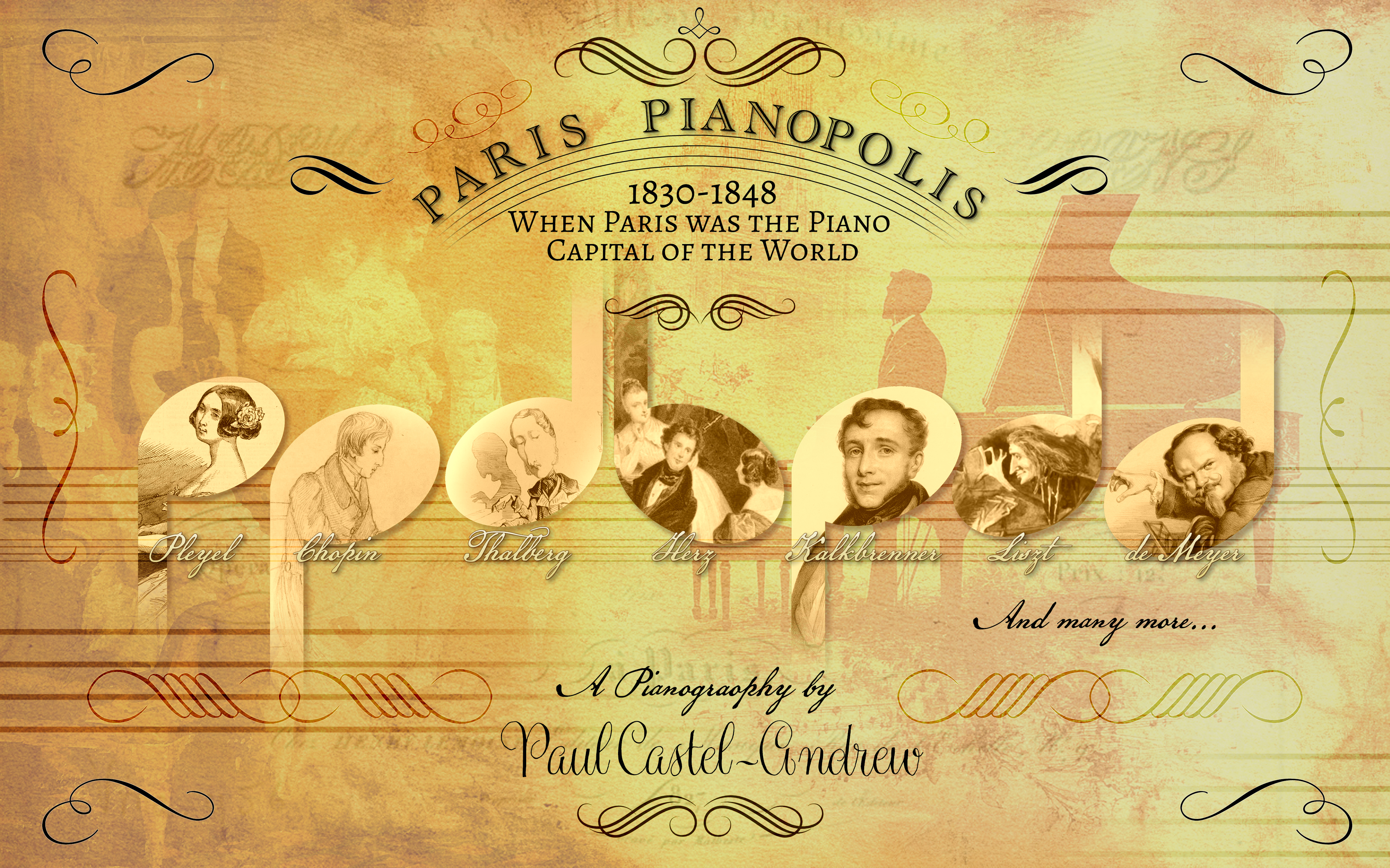
Paris Pianopolis offers a comprehensive exploration of the golden age of piano culture in Paris from 1830 to 1848. This meticulously researched volume weaves together the interconnected lives of pianist-composers with piano makers, revealing a vibrant world where artistry, craftsmanship, and innovation converged. Through rare photographs, historical documents, and personal narratives, the book brings to life both celebrated figures like Liszt and Chopin, as well as forgotten masters like Henri Herz and Friedrich Kalkbrenner whose contributions shaped the sound of an era.
The piano was a marvelous technical achievement and the one who mastered it would be Paris' latest virtuoso hero. To get there you had to find the best teacher, resort to the best music exercises and perhaps use one of those piano guides sold by Kalkbrenner and Herz to improve the nimbleness of your fingers. Then you had to practice, and practice, and practice until your hands felt like wooden hammers. To ascertain your success, you had to appear in the most prestigious Paris salons. When "tout Paris" was finally talking about you, you were ready for the performance of your life - the one that would prove that you had ascended into the celestial realm of music.
"The splendour of virtuosity lay like the eternal sun over Paris."
- Piano history book, 1899
The book examines the social, cultural, and technical aspects of piano culture during this transformative period, offering readers a complete picture of how Paris became the beating heart of the piano world.
Background: Lebrecht Music & Arts / Alamy
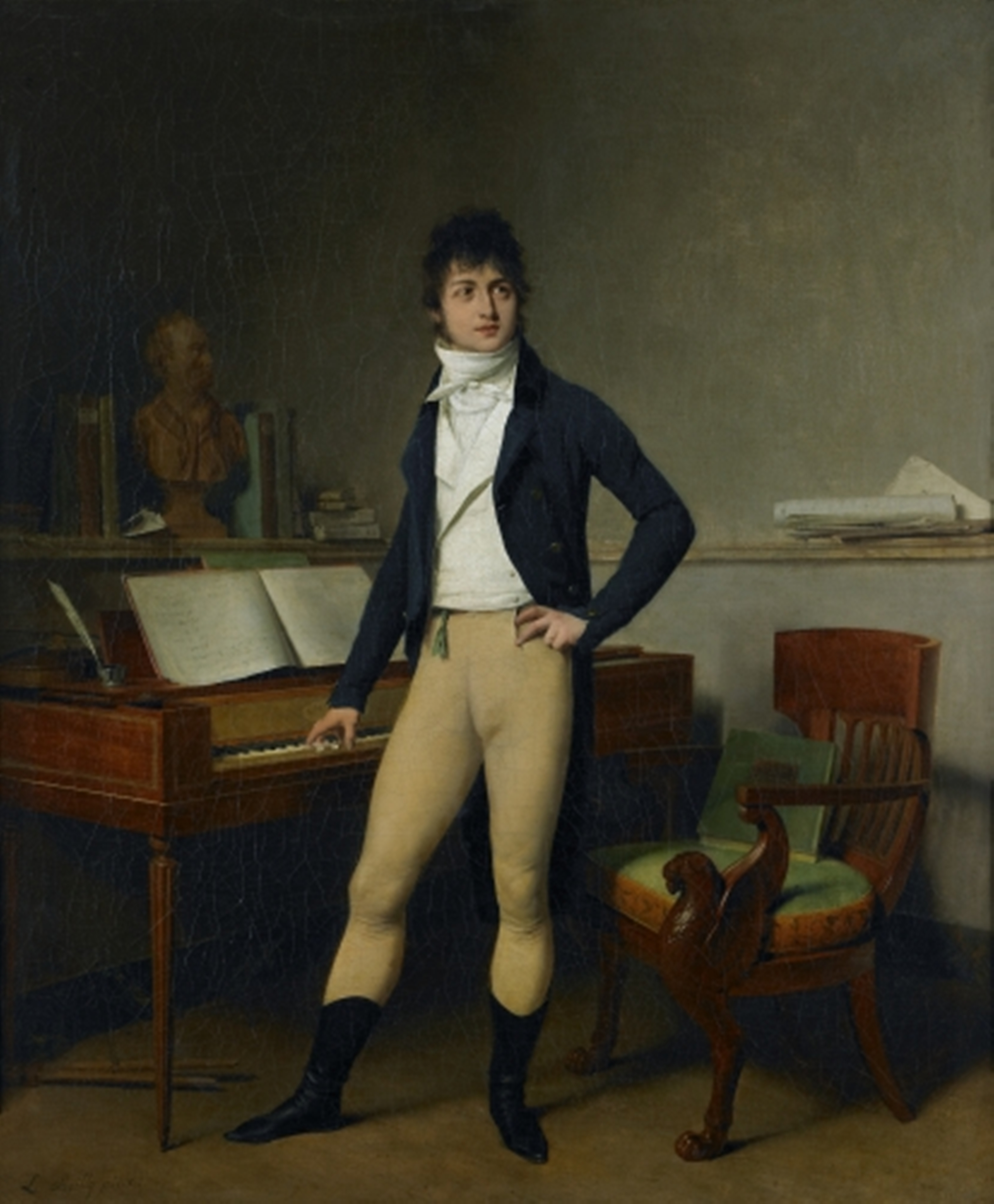
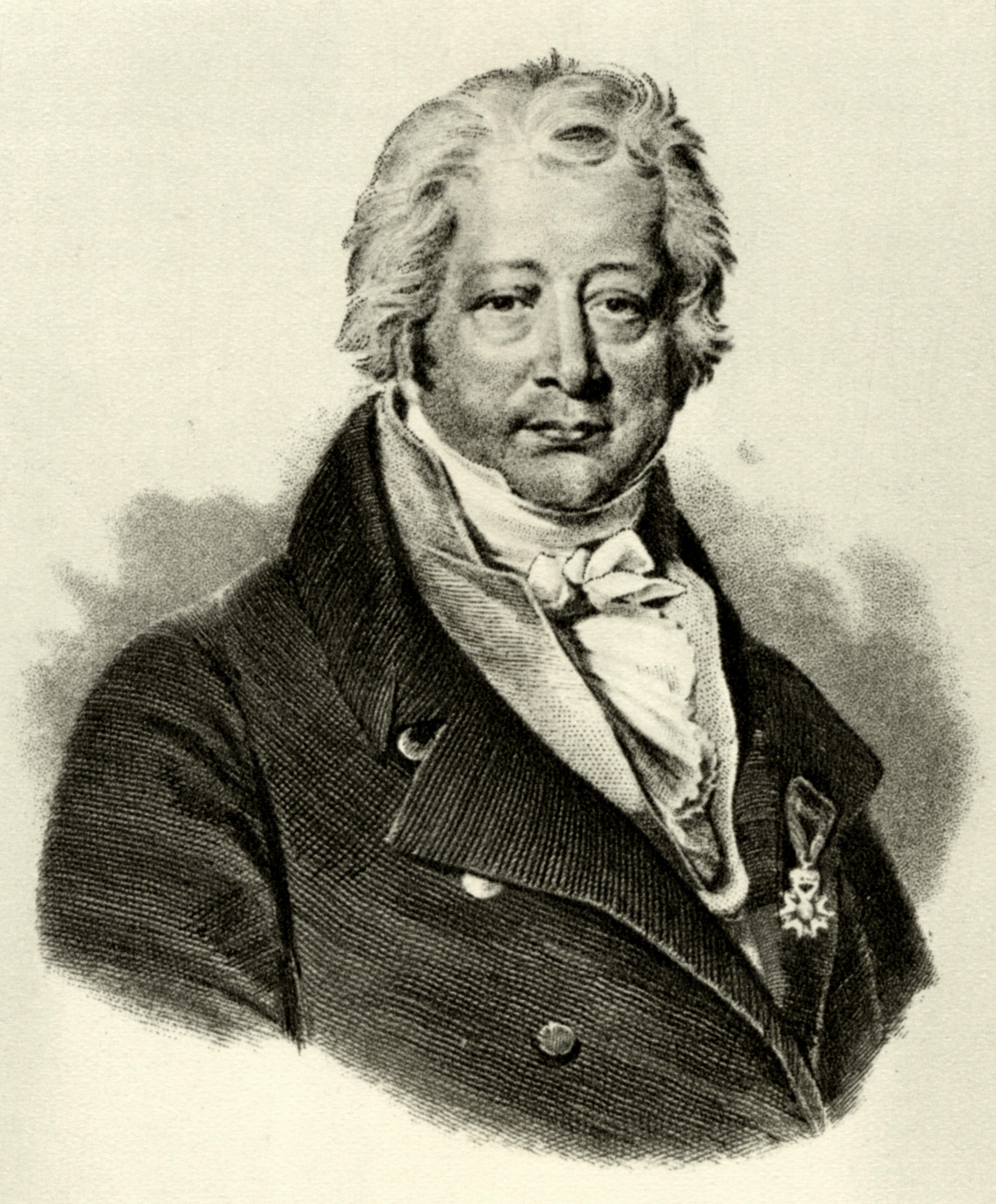
François-Adrien Boieldieu
Wikimedia Commons
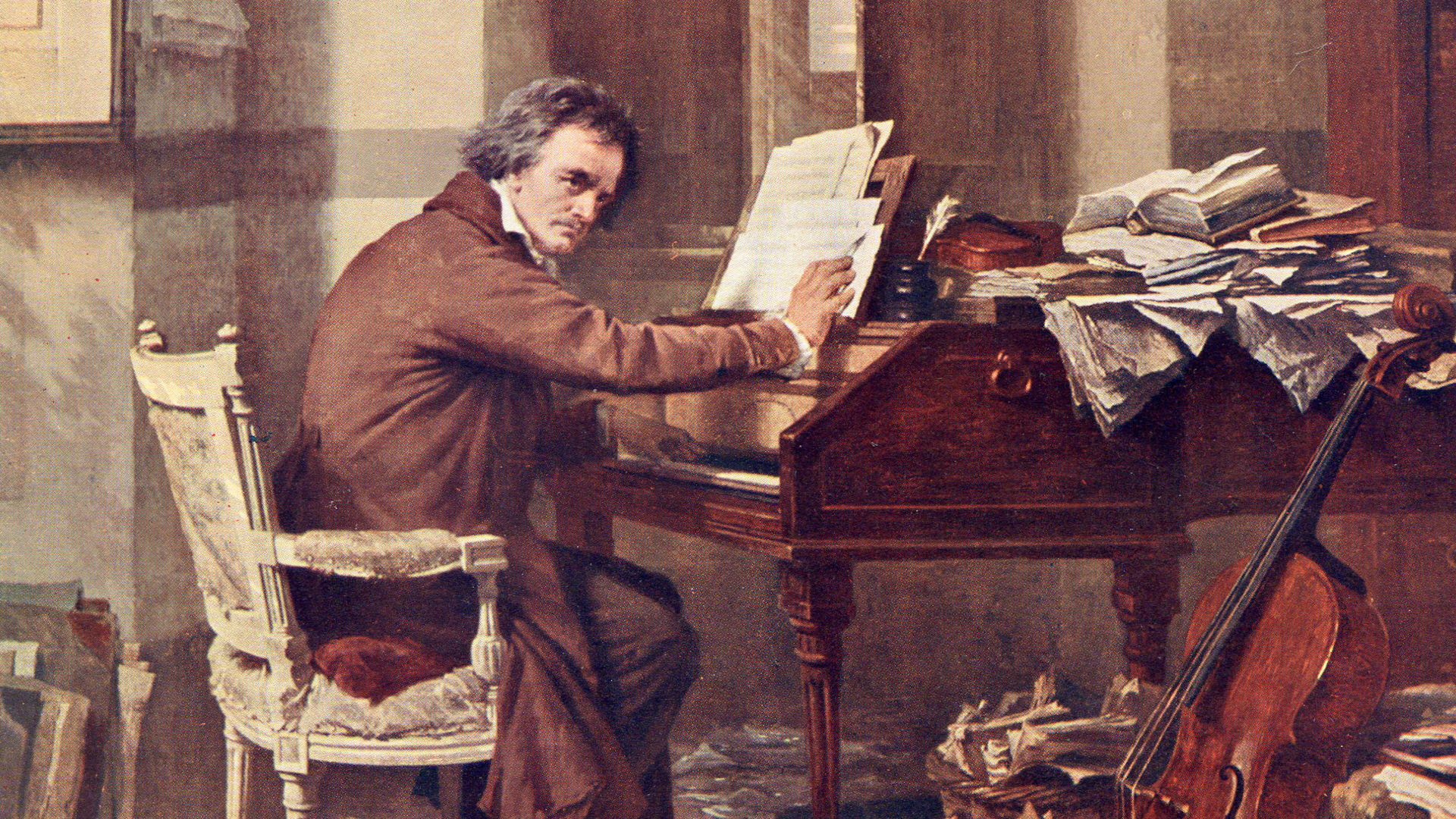
The French Revolution marked a shift away from the aristocratic harpsichord toward the bourgeois newcomer, the piano. Pianos were originally known as pianofortes because, unlike the harpsichord, the performer could modulate the volume from piano (soft) to forte (loud). Being easier to manufacture in series and much less expensive than harpsichords, they quickly gained popularity, paving the way for Paris to become Pianopolis.
Book excerpt: The pianoforte arrives and the harpsichord dies
In the 1820s, piano manufacturers such as Érard and Pleyel brought innovative improvements to piano design, while the reputation of up-and-coming piano virtuosos such as Henri Herz, Friedrich Kalkbrenner, and the young Franz Liszt soared into the stratosphere of the 1820s.
Book excerpt: Erard – "The Invention"
Sébastien Érard
Lebrecht Music & Arts / Alamy
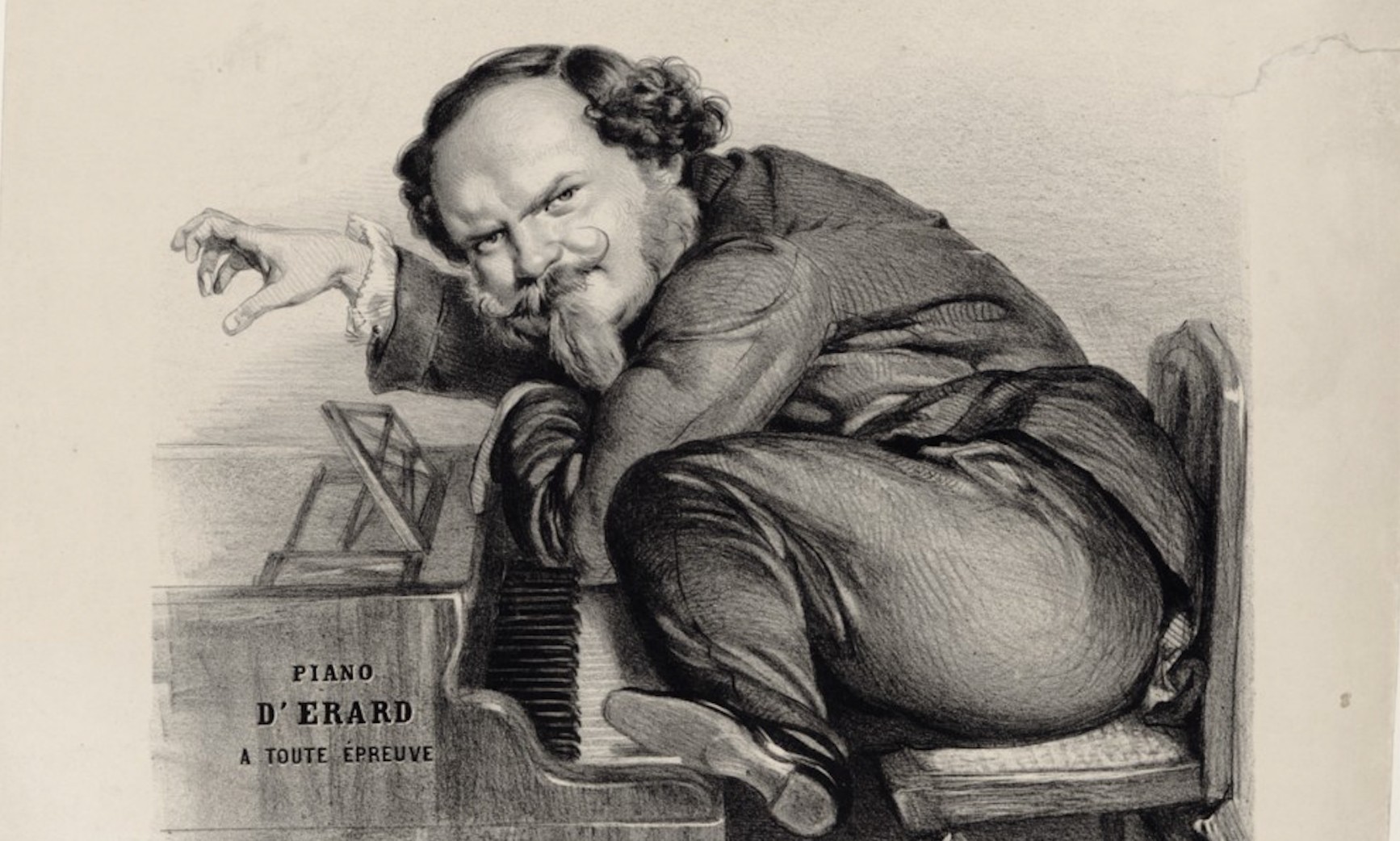
In 1830 the French king was dethroned, and a bourgeois government took the reins. This brought about a shift in Paris' artistic landscape and the Romantic movement swept through Paris, foregrounding writers, artists, and musicians with more liberal views who saw the artist as a hero. In music that hero was the piano virtuoso.
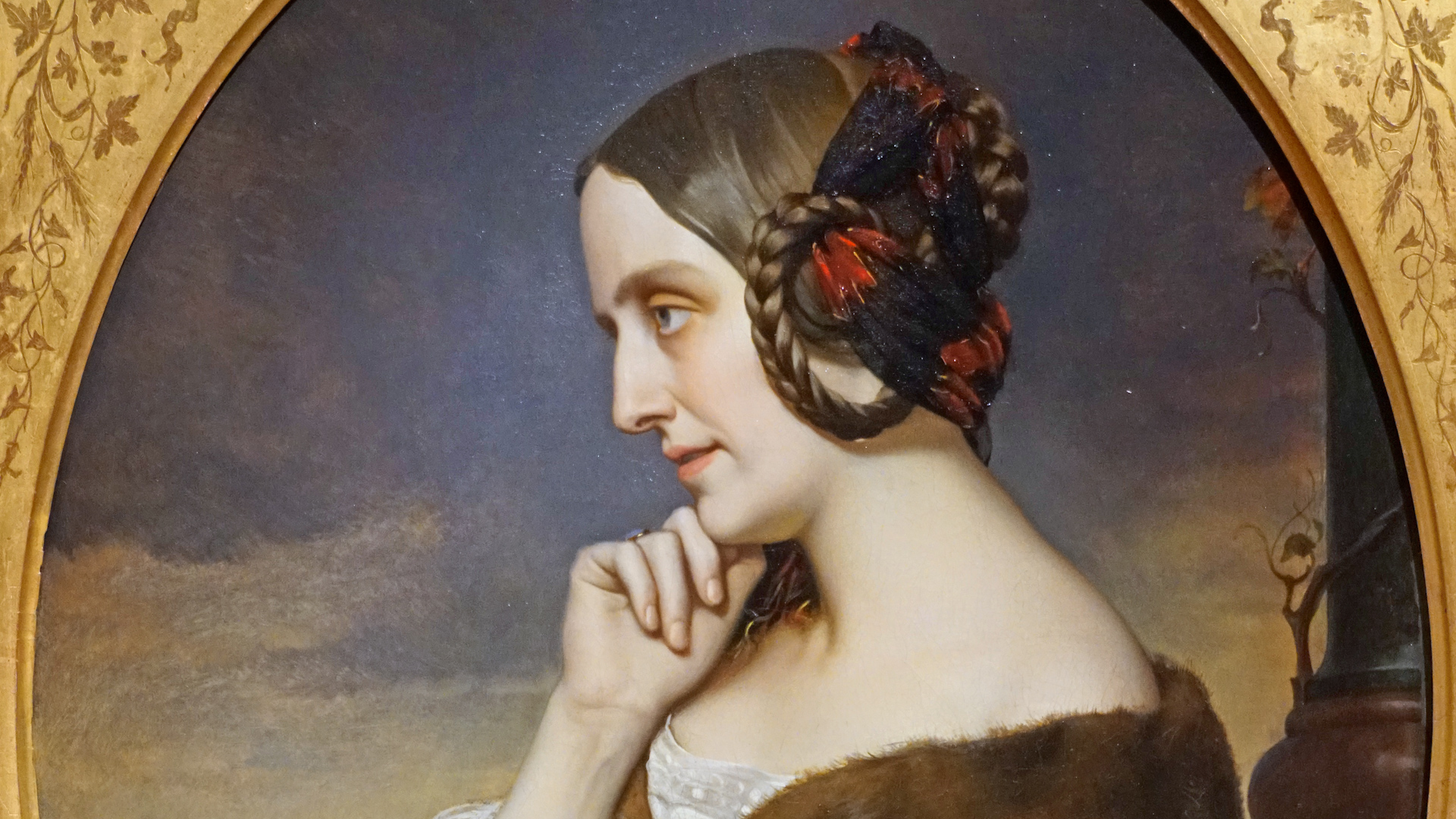
The new Romantic generation of pianists, like Frédéric Chopin and Franz Liszt cast a shadow over the previous greats like Herz and Kalkbrenner. Charles Valentin Alkan and Marie Pleyel were part of this generation of musicians who saw piano playing and composing as serious art, not frivolous entertainment.
In 1835 Liszt gave a brilliant concert, setting the bar for all future virtuosos. In the same year he fled Paris for Switzerland with his mistress, the married Countess Marie d'Agoult, who was pregnant with his child.
Liszt's flight to Switzerland left the field wide open for a new virtuoso hero. Chopin, who barely appeared in public and then only in salons, was not the candidate.
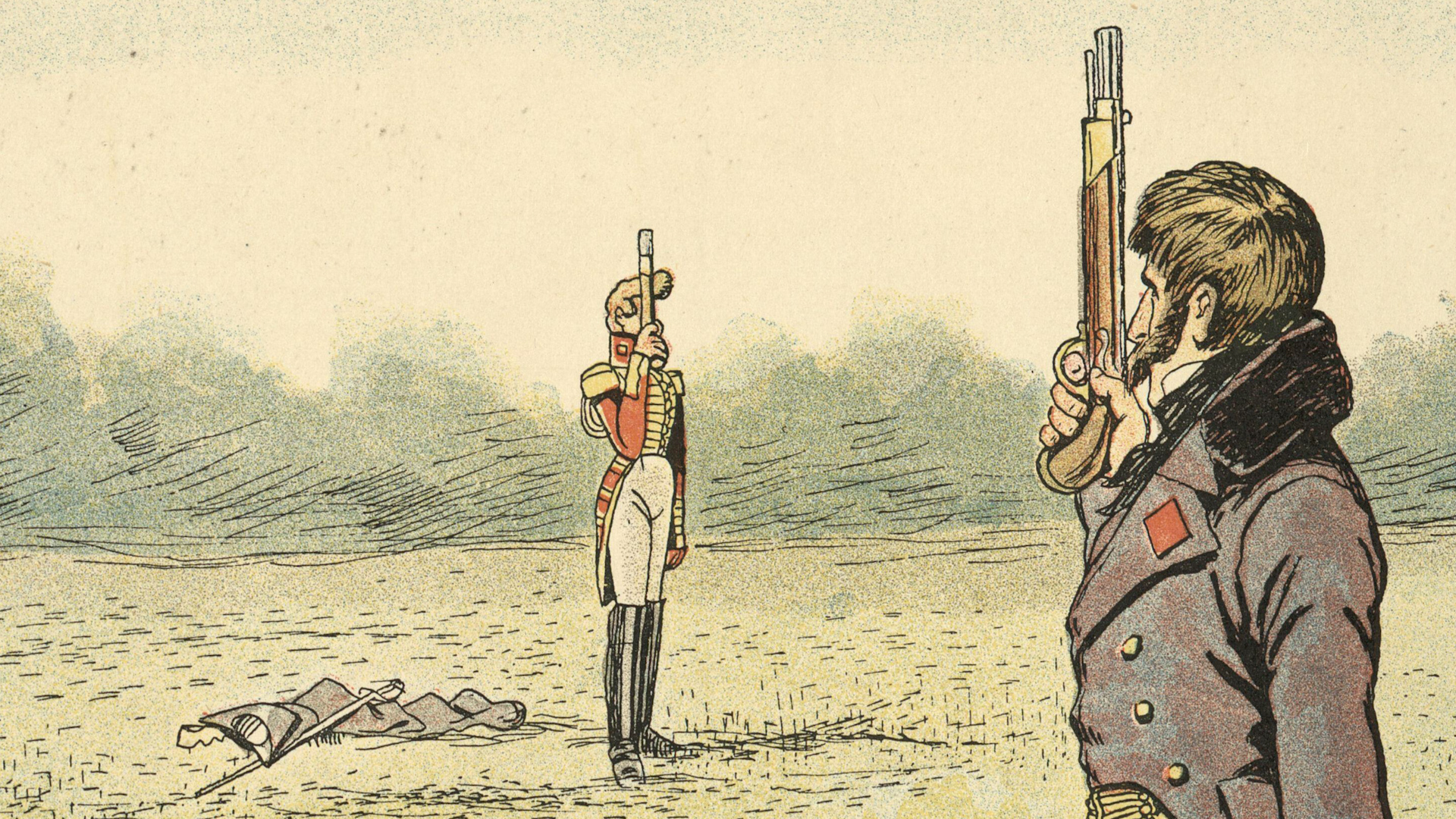
Sigismond Thalberg was. He arrived in Paris in 1836 and caused an uproar. Liszt was affronted and returned in the spring of 1837 to take up the challenge. The scene was set for a piano showdown.
Liszt–Thalberg duel
Liszt: Classic Image / Alamy. Thalberg: Wikimedia Commons
Book excerpt: Liszt and Thalberg Showdown
Once again Liszt and his countess leave Paris making room for new up-and-coming pianists like the young Clara Wieck and Stephen Heller. Heller even moved to Paris to take advantage of this opportunity, but then changed his mind.
As usual Liszt couldn't resist the limelight and ended up abandoning the countess to perform in Vienna where he encountered a triumphant Marie Pleyel who hadn't been seen in concert since the mid-1830s.
Back in Paris Camille Pleyel opened a new piano manufactory complete with a concert hall. Henri Herz went one better, and his new piano manufactory included a large concert hall and a piano school.
Finally, in 1841 Liszt returned to Paris to give the first-ever solo piano recital - a concert unlike anything Paris had ever seen. No singers, no other musicians, just Liszt and his piano. Perhaps spurred on by Liszt's triumphant solo concerts, a pianist who had not been seen in concert in over 6 years dared to make a public appearance; Chopin performed in Pleyel Hall.
After Liszt's triumphal Paris recitals, a flood of wannabe virtuosos took over Paris. First, Thalberg returned after several years. Then came Theodore Döhler, the elegant charmer, followed by Alexander Dreyschock, whose fast and loud playing sent notes rocketing from the keyboard, and finally Leopold de Meyer who stunned audiences with the way he physically overwhelmed the piano.
In the summer of 1844, even the reclusive Alkan put in an appearance and wrote a hit that was played everywhere. Marie Pleyel repeated her 1839 Viennese success in Paris in 1845. To alleviate financial woes, Herz followed de Meyer's example by touring in the USA.
Chopin returned to the cocoon of his salon, but his respiratory illness worsened and in the last year of his life he neither composed nor touched a piano.
Alexander Dreyschock
Historical image collection by Bildagentur-online / Alamy
Book excerpt: Dreyshock "A Rocket of Notes"
With the death of Chopin in 1849, and Liszt abandoning Paris for Germany, Paris' Pianopolis era came to an end and suddenly virtuosity was seen as frivolous while serious music, especially German music, became the future.
In the midst of this, in 1873, an old, frail Alkan performed a series of small, serious music concerts a full 30 years after his last concert. They were well received, especially by a group of French musicians advocating for new piano compositions, not just piano virtuosity.
This group would form the nucleus of the next phase of Paris Pianopolis, giving way to the Belle Époque. But that is another story…
Book excerpt: The End of Virtuosity
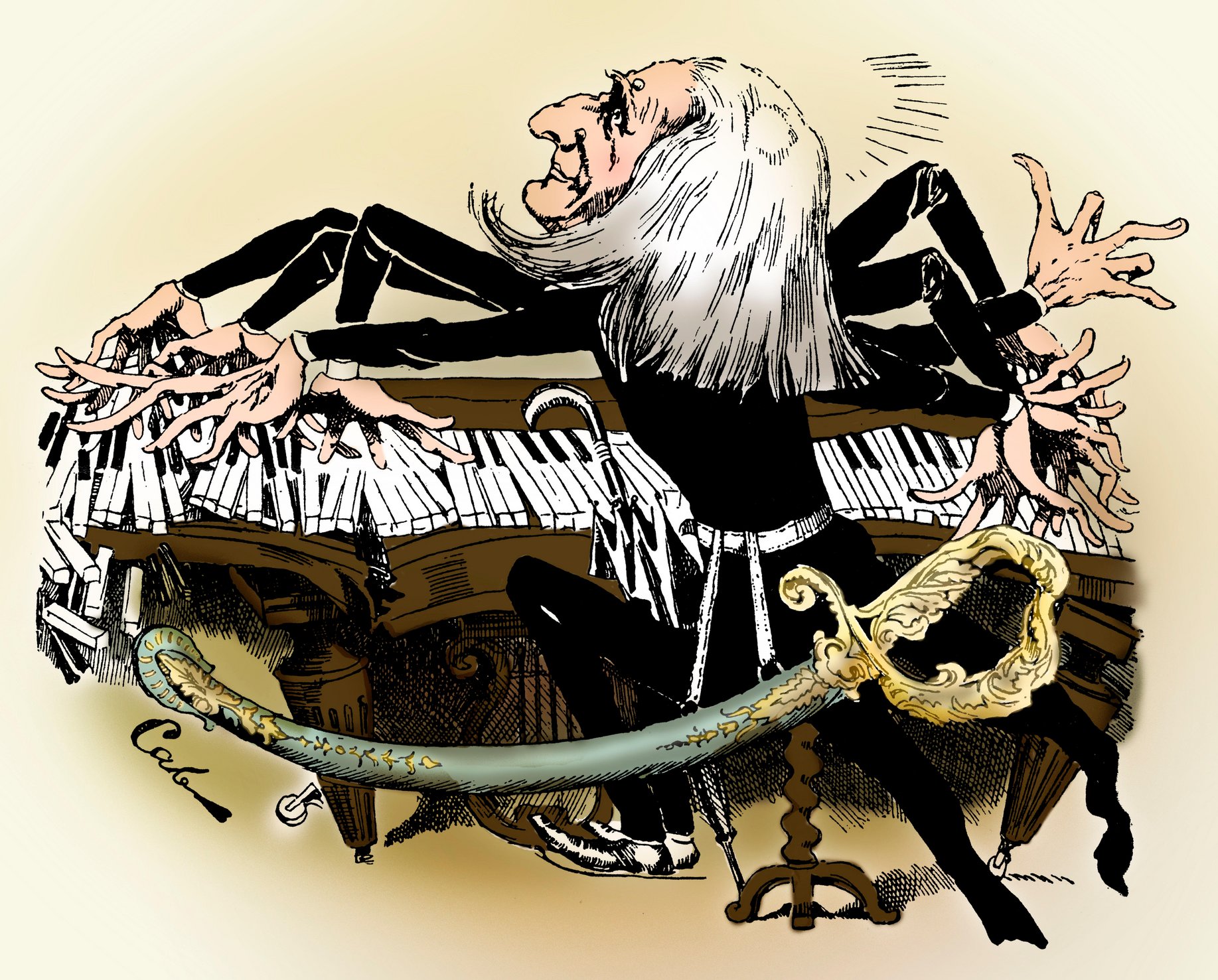
Liszt 1886 caricature
Lebrecht Music & Arts / Alamy