Image Gallery

Chopin

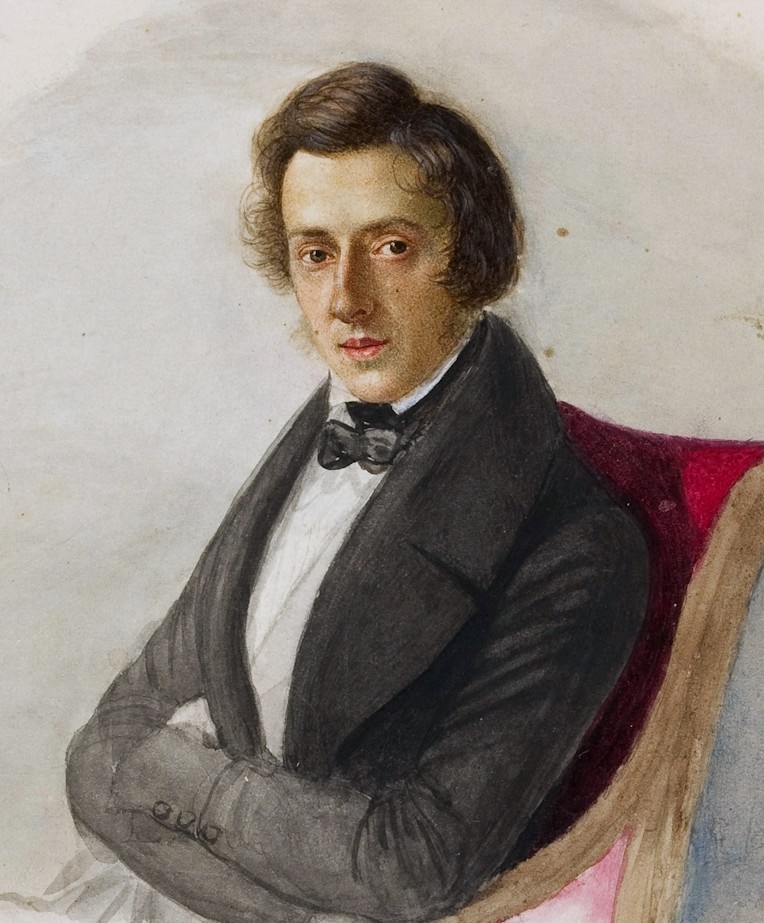
Chopin Portrait 1836

May 1841 music review

Read Biography - Chopin
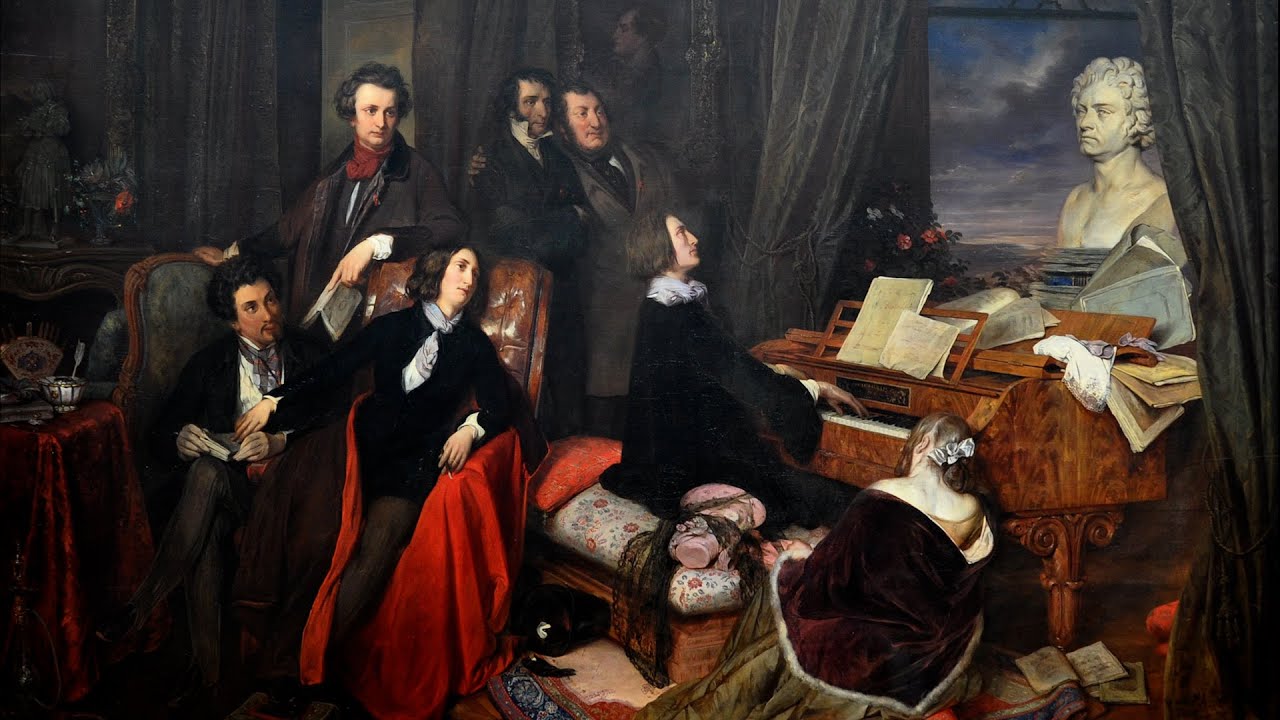
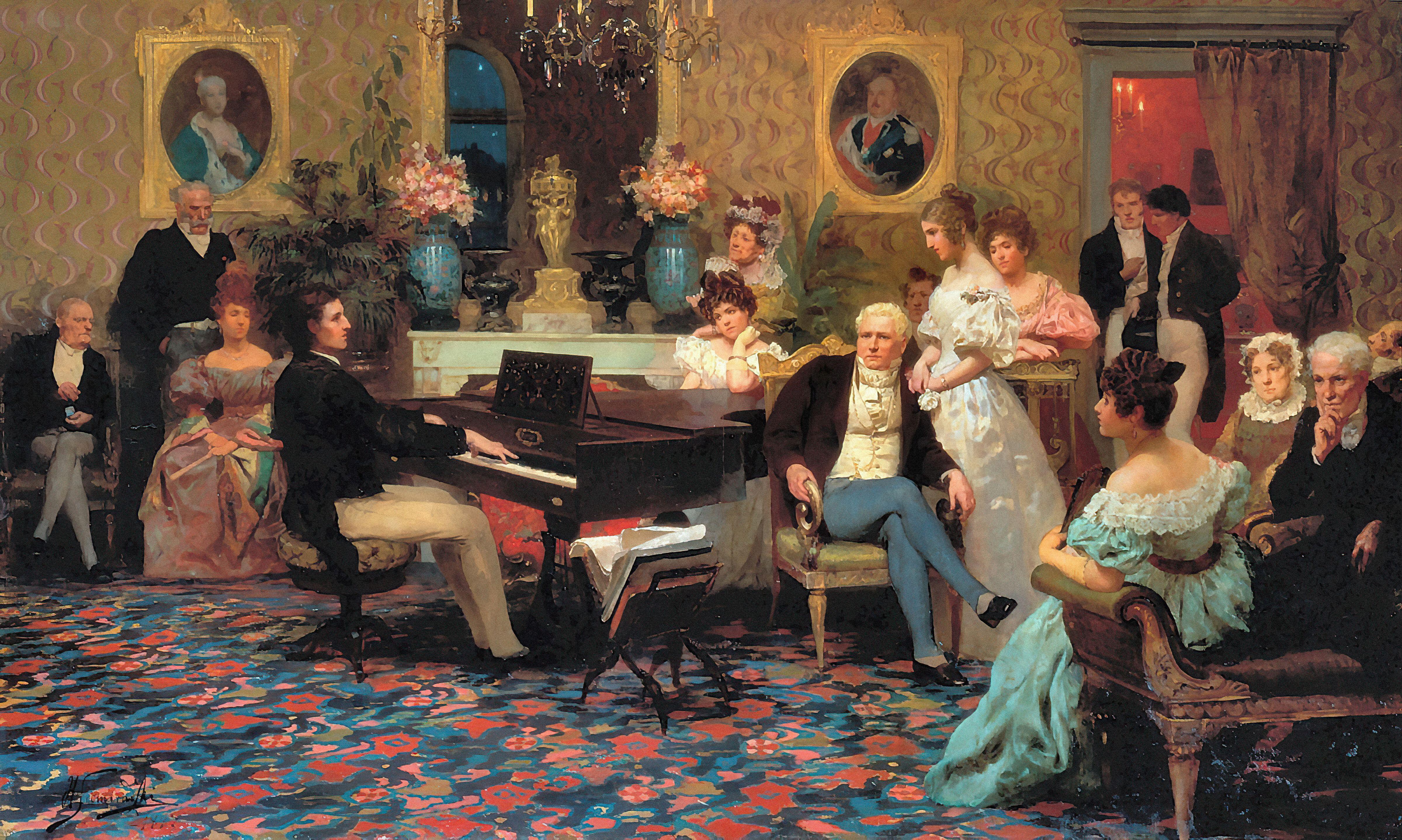
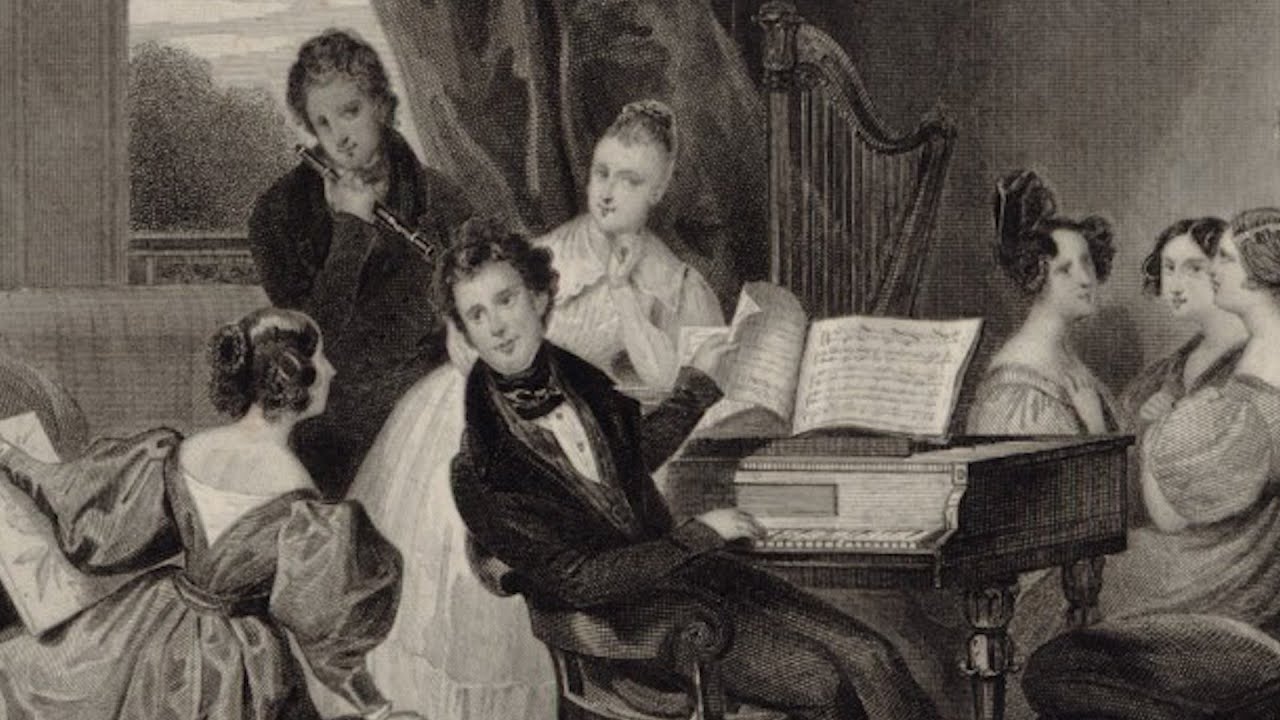
Chopin in Prince Radziwill salon

Composer Hector Berlioz Dec.1833 music review
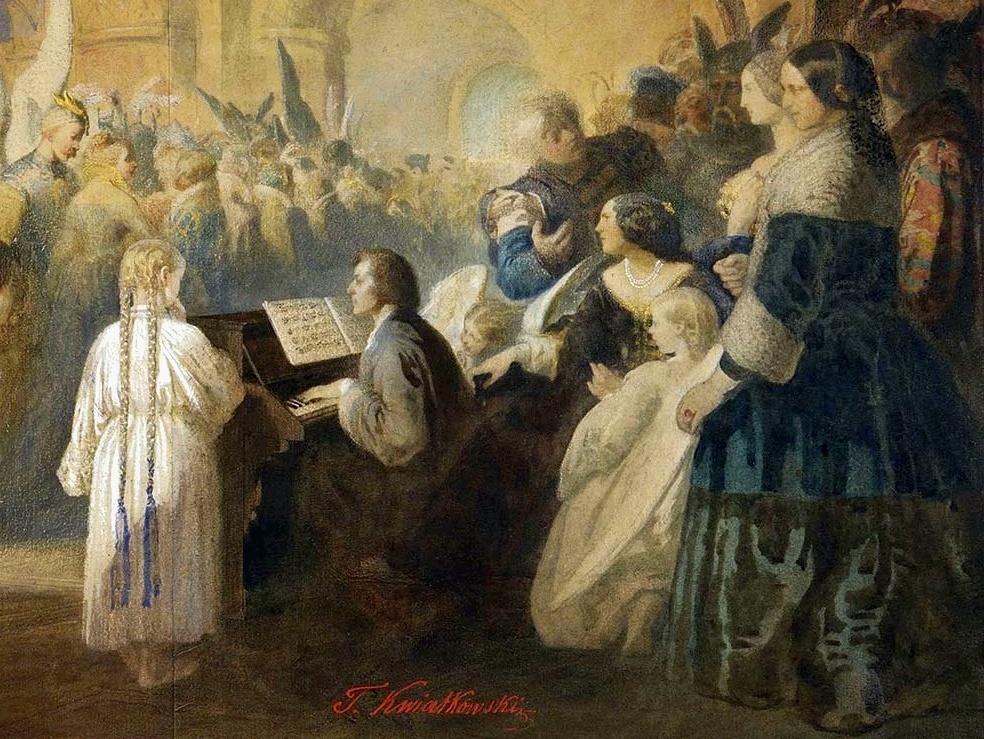
A Ball in Hôtel Lambert in Paris

Wikimedia Commons
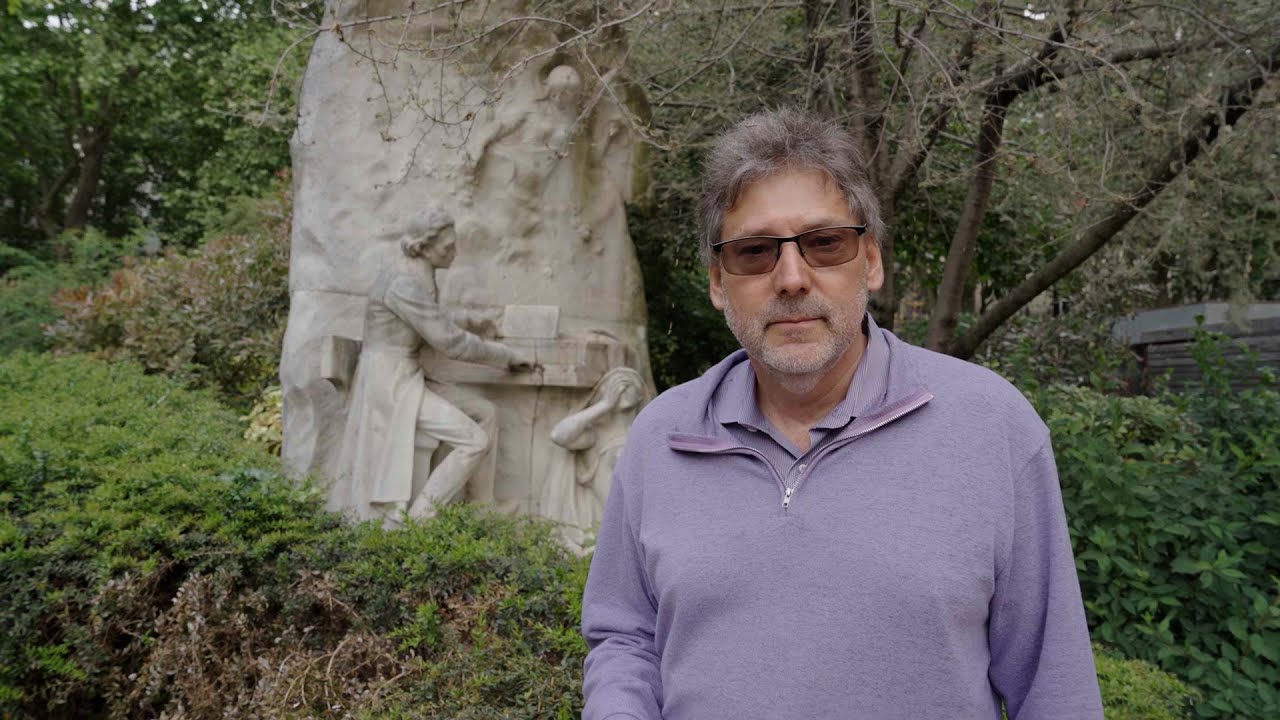
Chopin, Paris Salon Darling
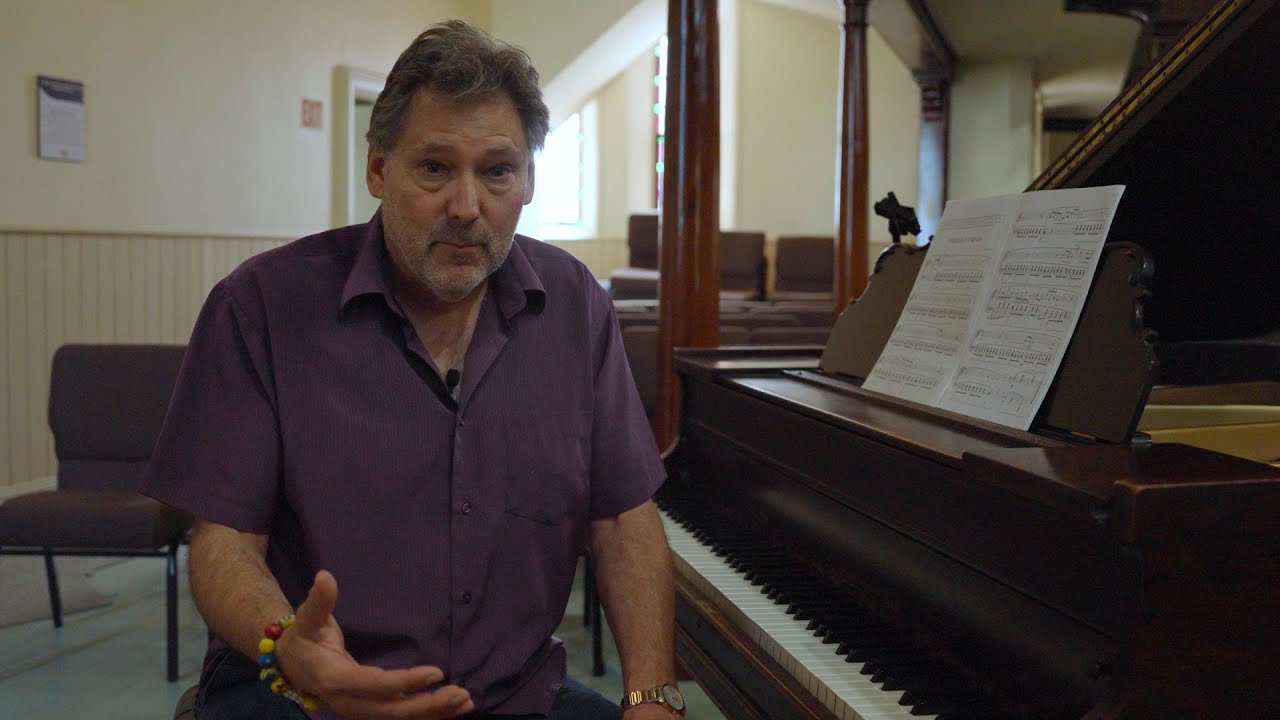
Power of Chopin
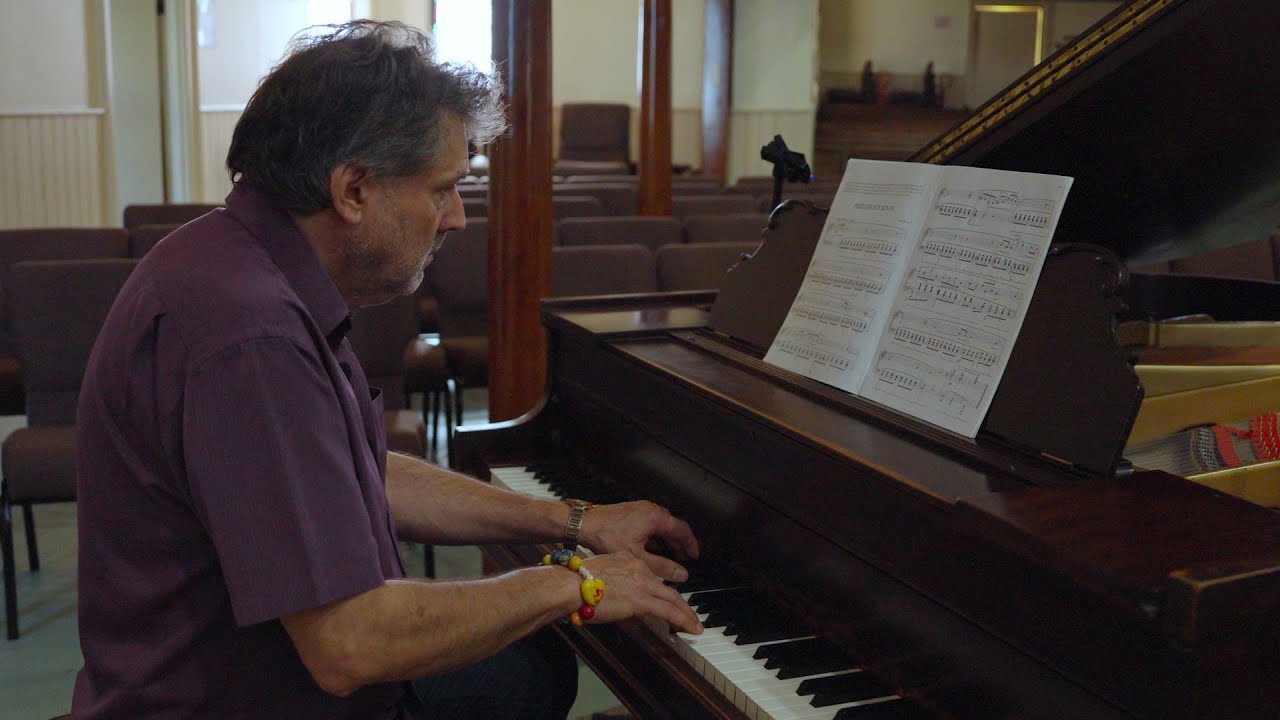
Power of Chopin
Chopin E Minor Prelude

Liszt

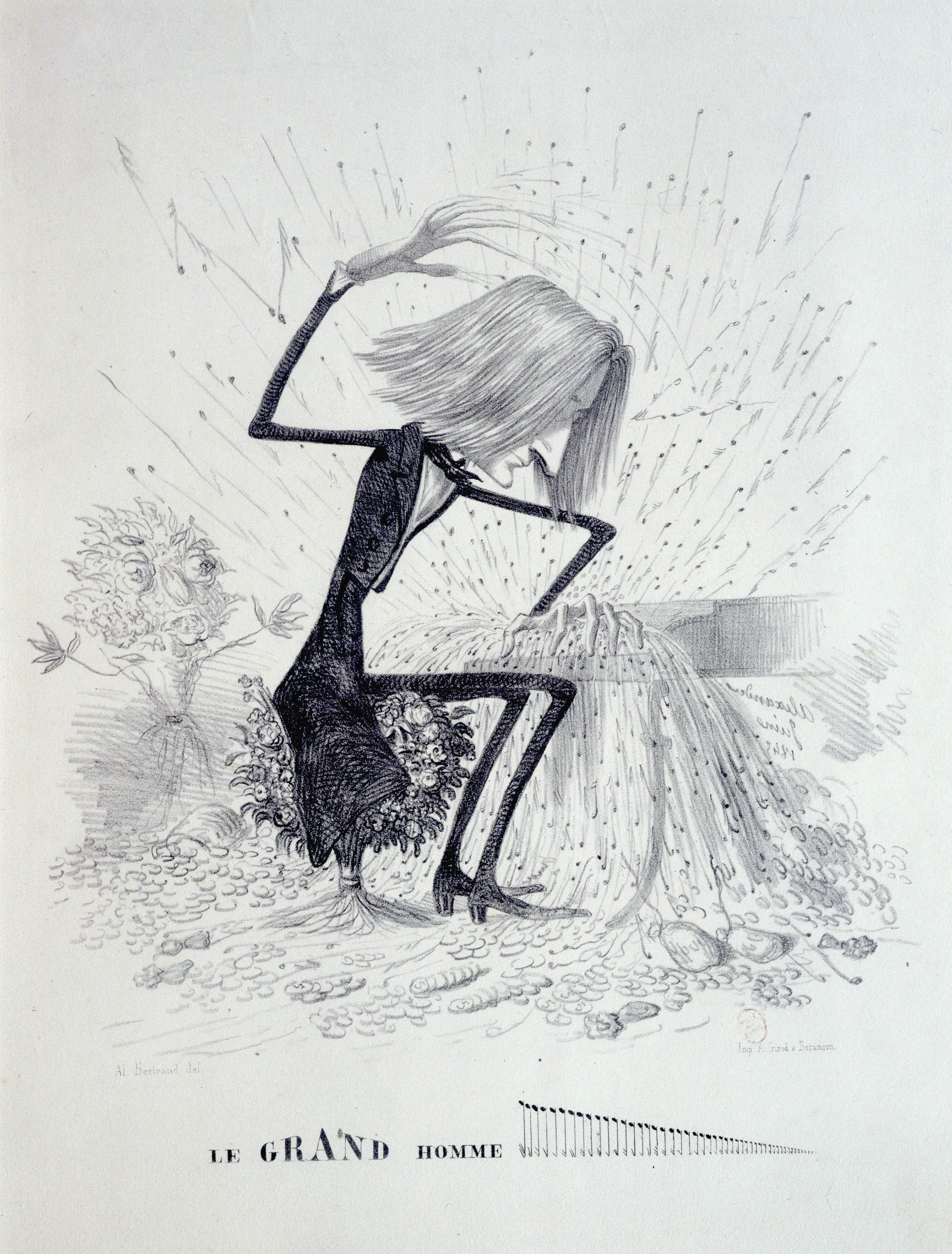
Liszt playing the piano 1845

The Artchives / Alamy

Read Biography - Liszt
Grand Galop Chromatique

Lebrecht Music & Arts / Alamy
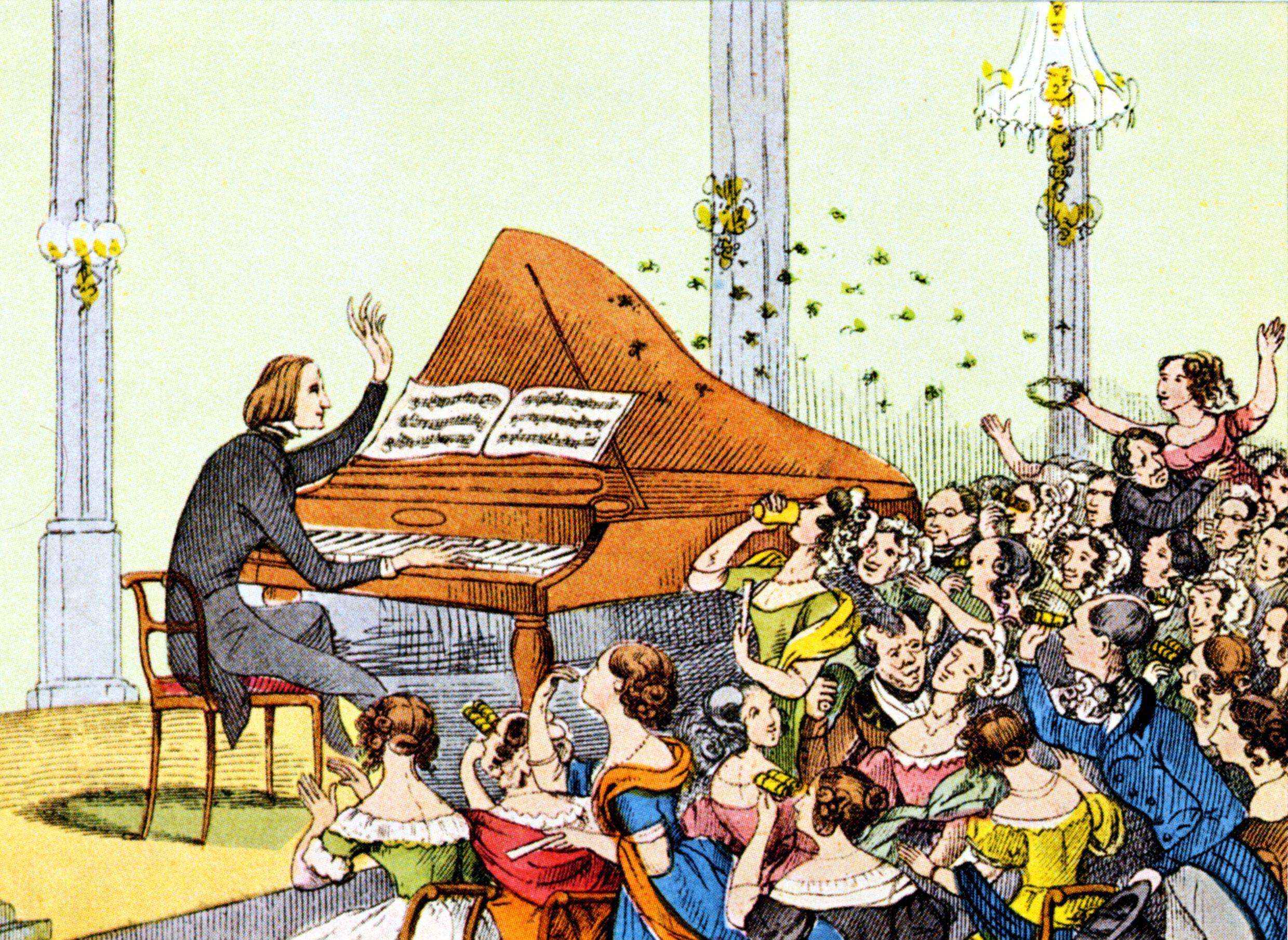
Liszt piano recital in Berlin 1840s

Lebrecht Music & Arts / Alamy
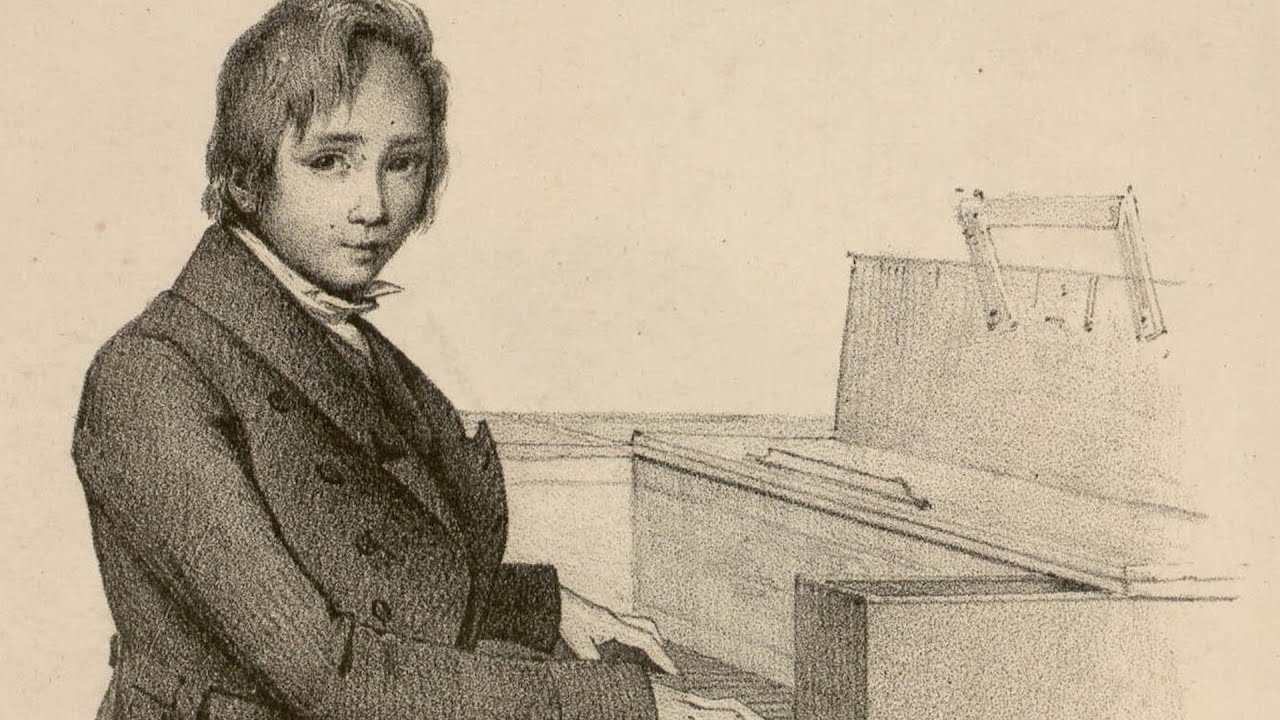
Little Liszt
Little Liszt
Liszt is Dead
Liszt is Dead
Liszt at the Piano
Liszt at the Piano

Herz

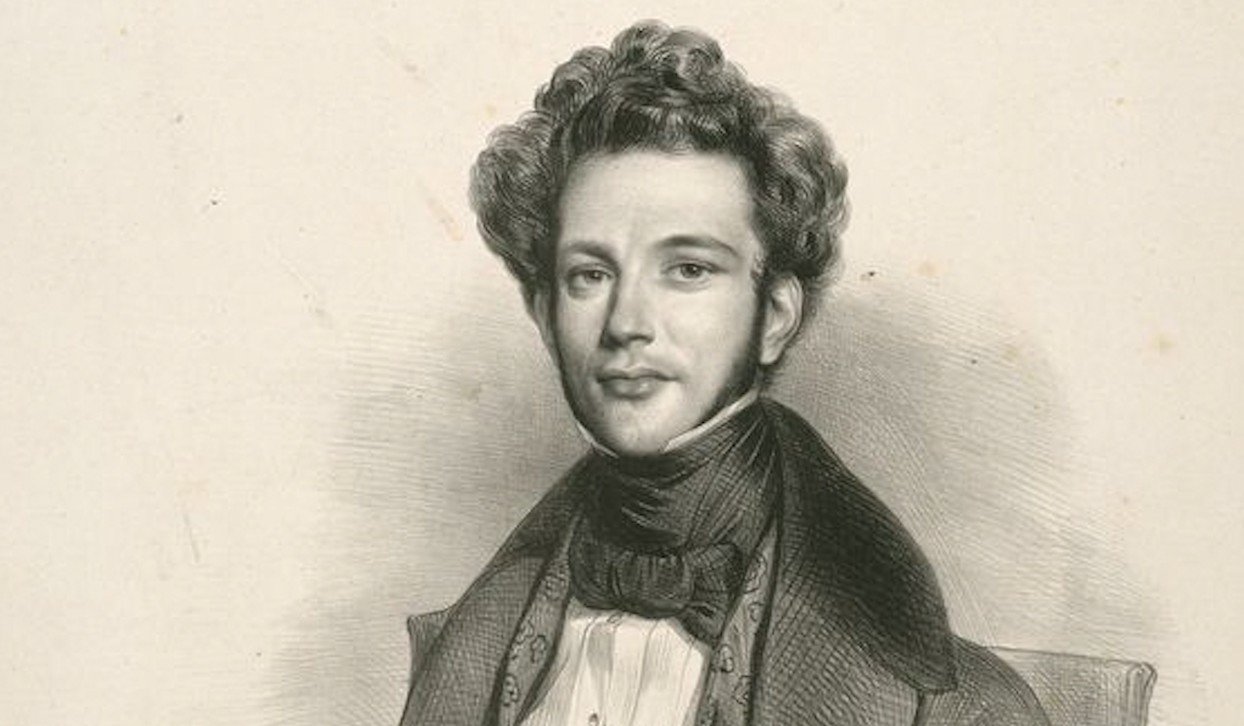
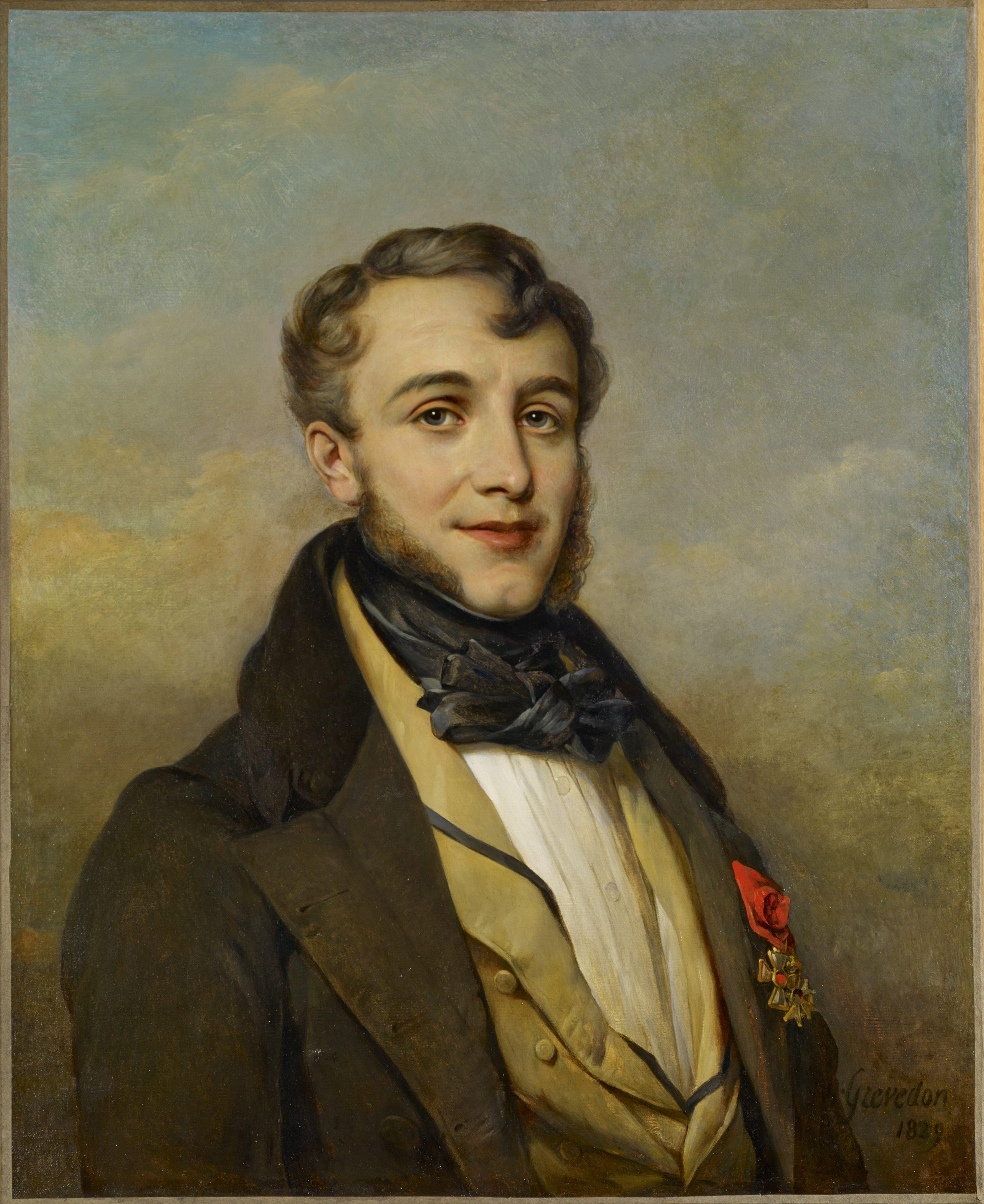
Herz 1832

Wikimedia Commons

Read Biography - Herz
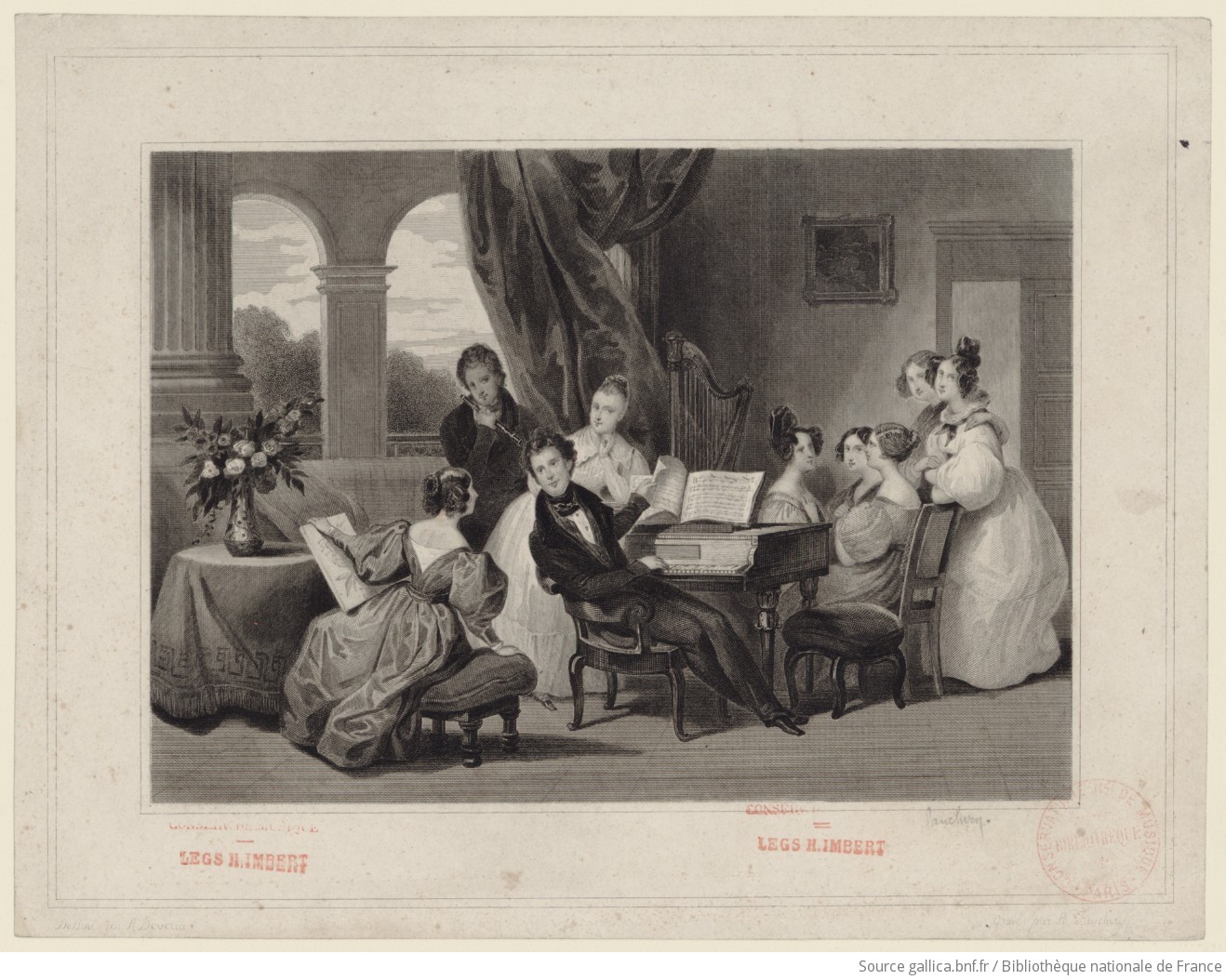
Herz at the piano in a salon 1833

Source gallica.bnf.fr/BnF
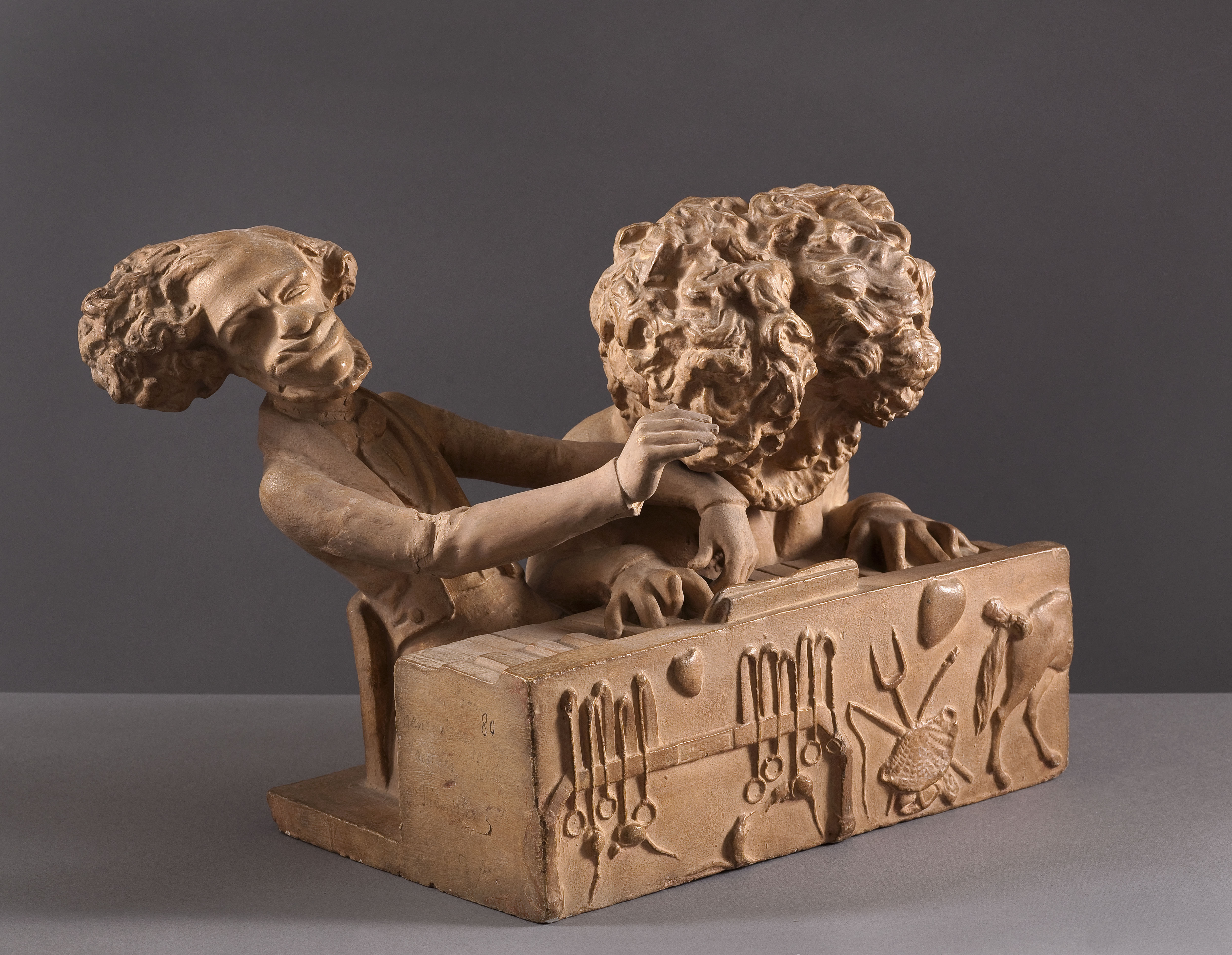
Bust of Henri and Jacques Herz

CCO 1.0 Universal
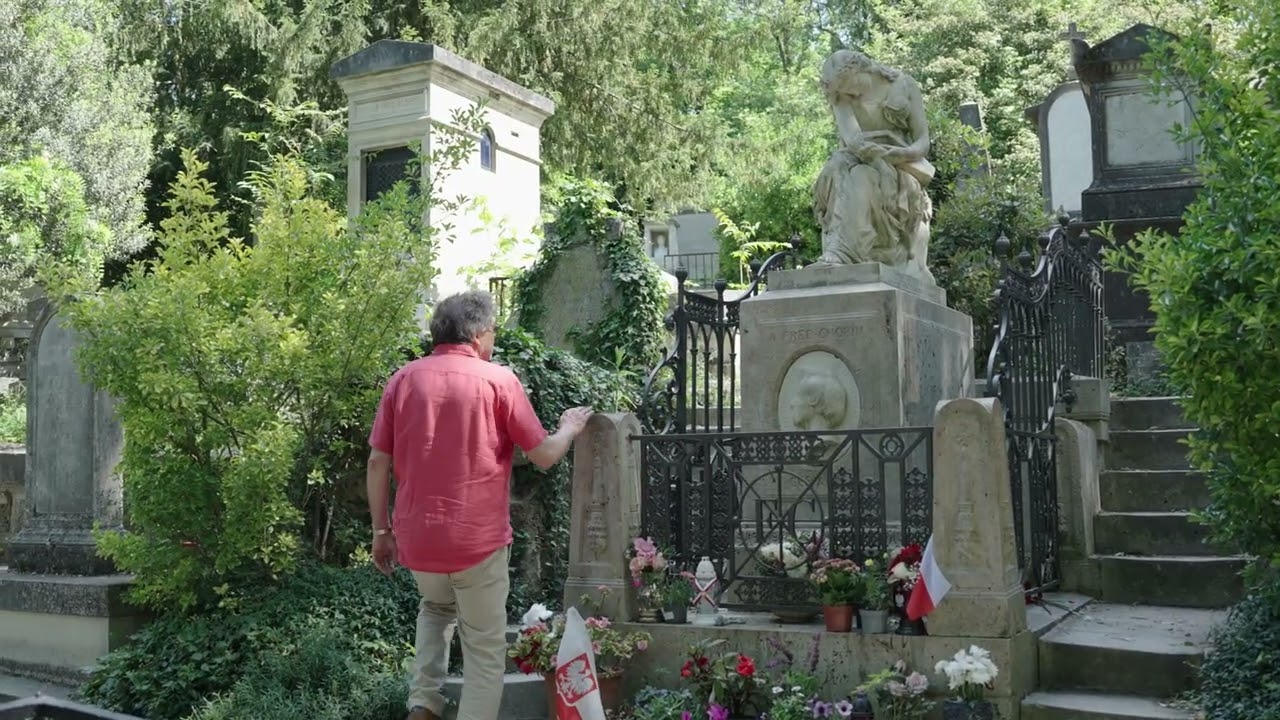
Remains to be Seen: Chopin, Pleyel, Érard and Herz
Henri Herz. Successful Bourgeois Pianist

De Meyer
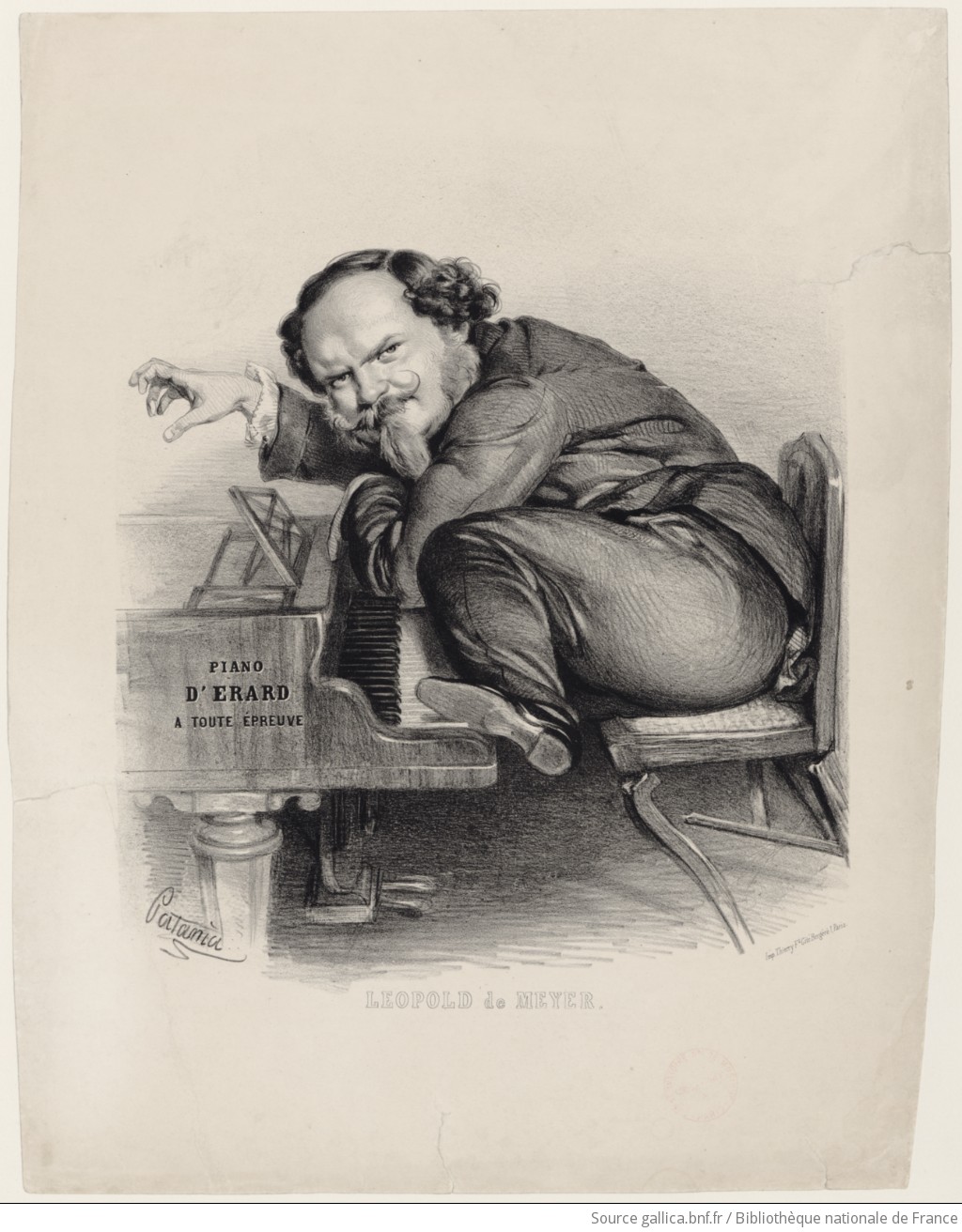
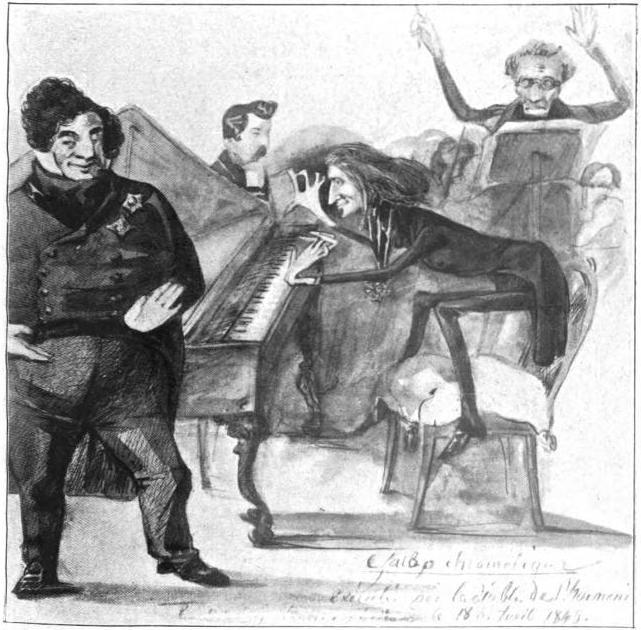
De Meyer on Érard piano

Source gallica.bnf.fr/BnF

Read Biography - De Meyer
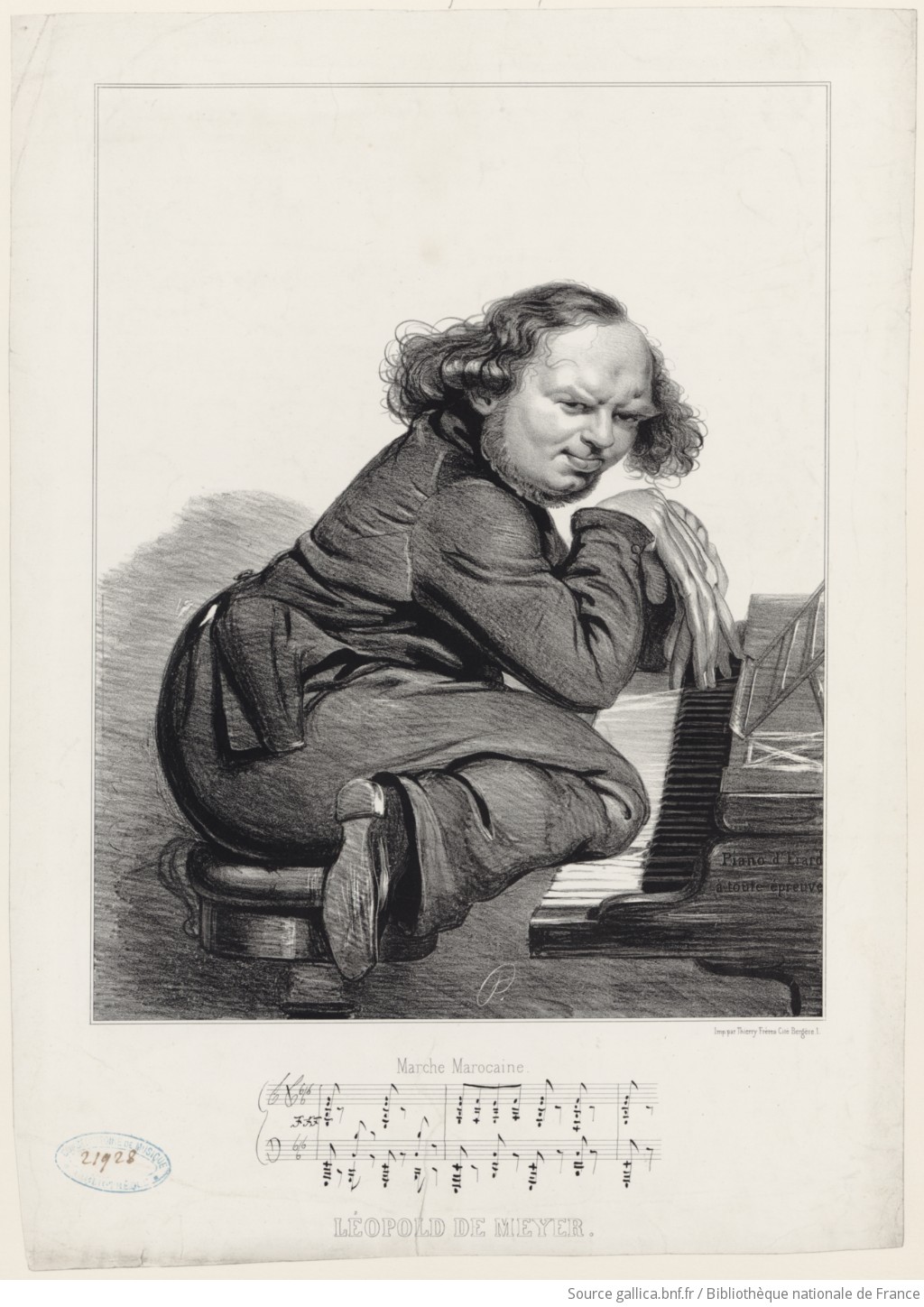
De Meyer sheet music cover

Source gallica.bnf.fr/BnF
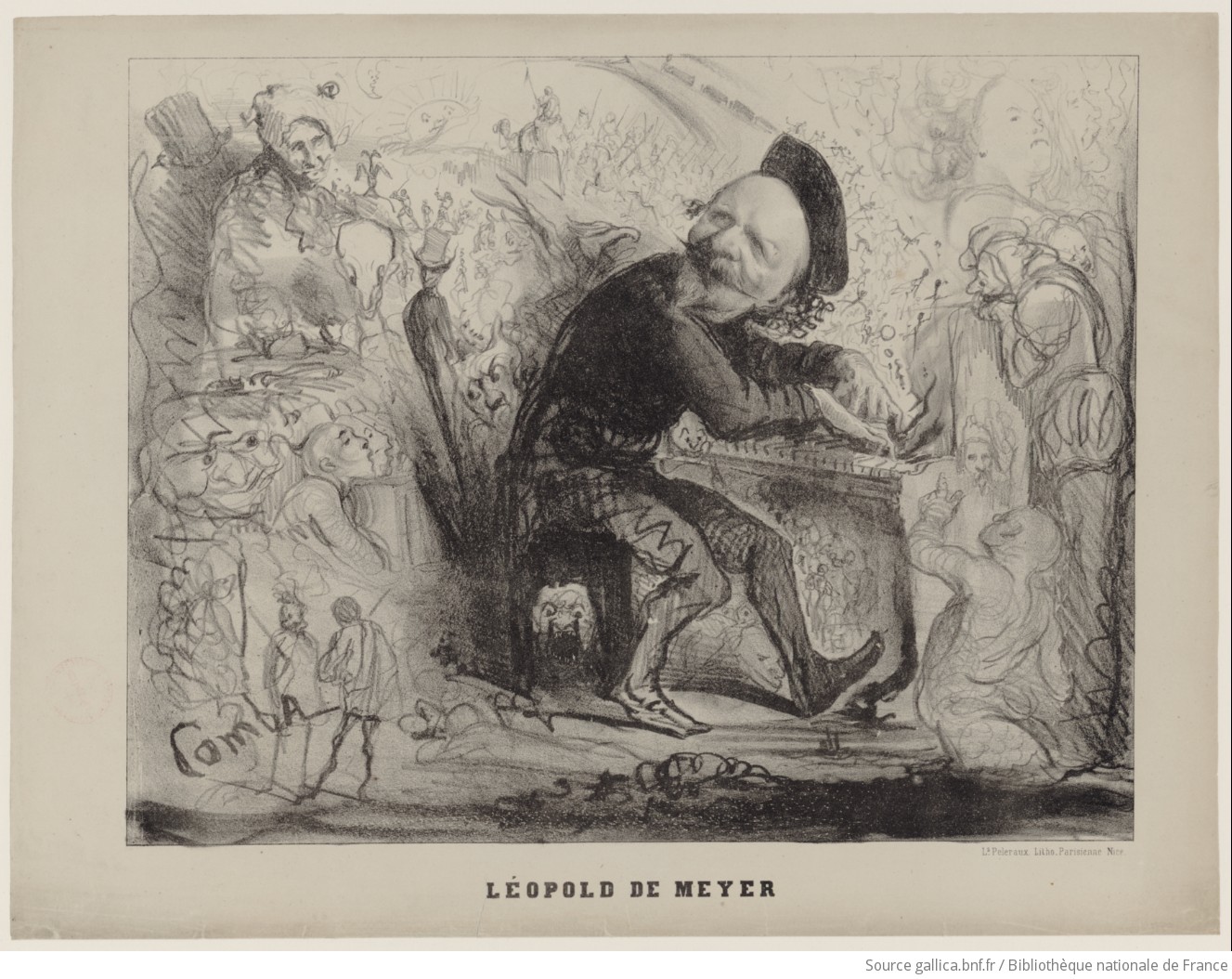
De Meyer 1860

Source gallica.bnf.fr/BnF
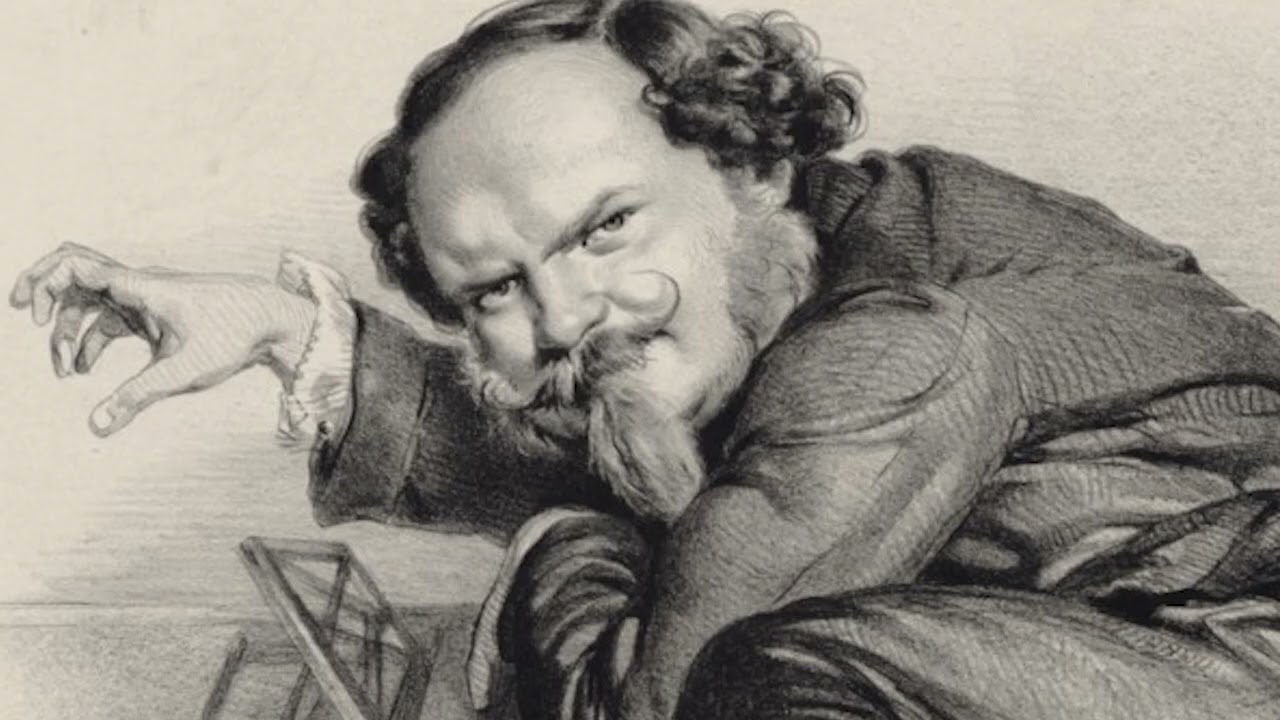
Flying trapeze school of Piano Playing

Kalkbrenner
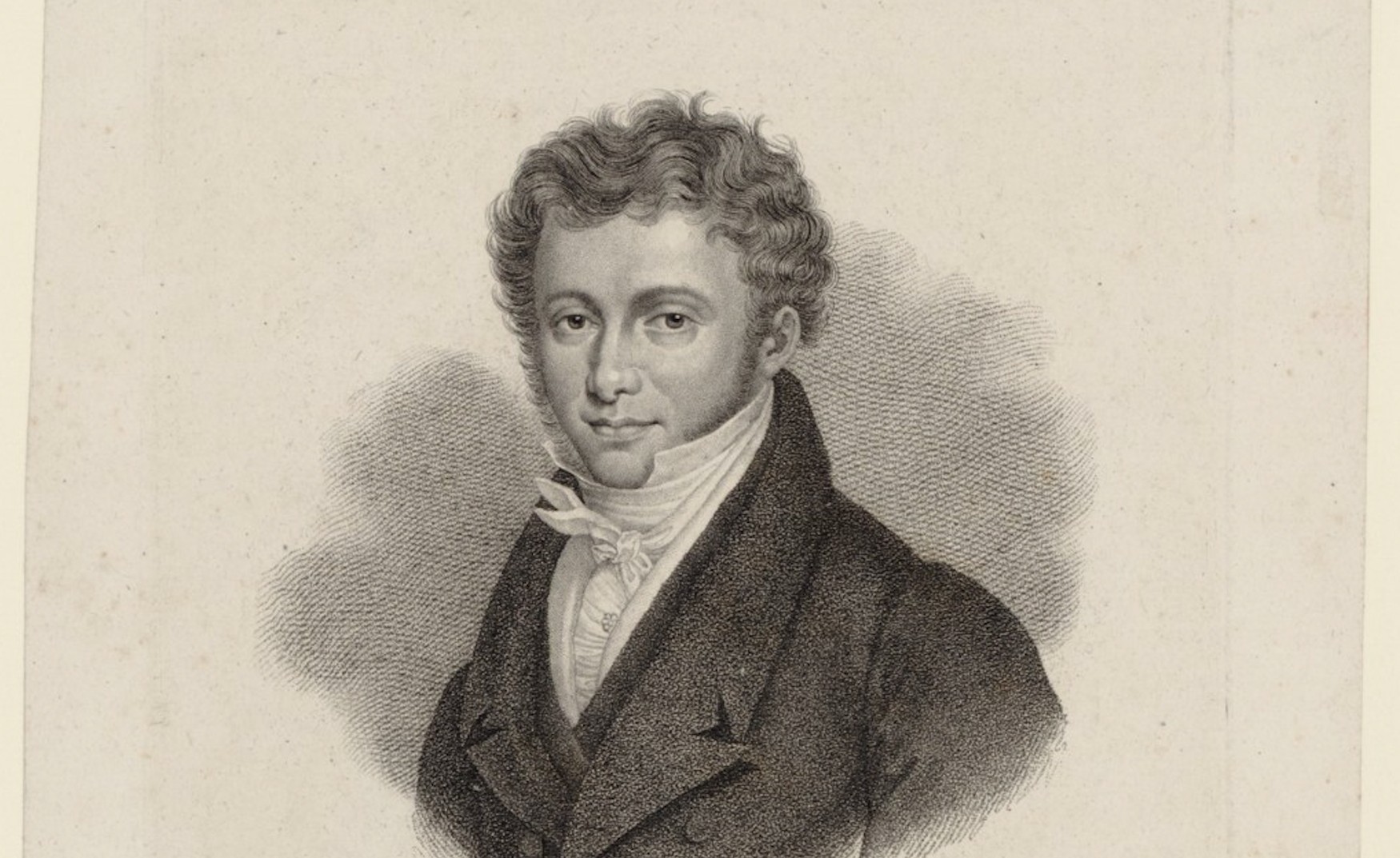
Kalkbrenner 1820s

Source gallica.bnf.fr/BnF

Read Biography - Kalkbrenner
Kalkbrenner with medals

Wikimedia Commons
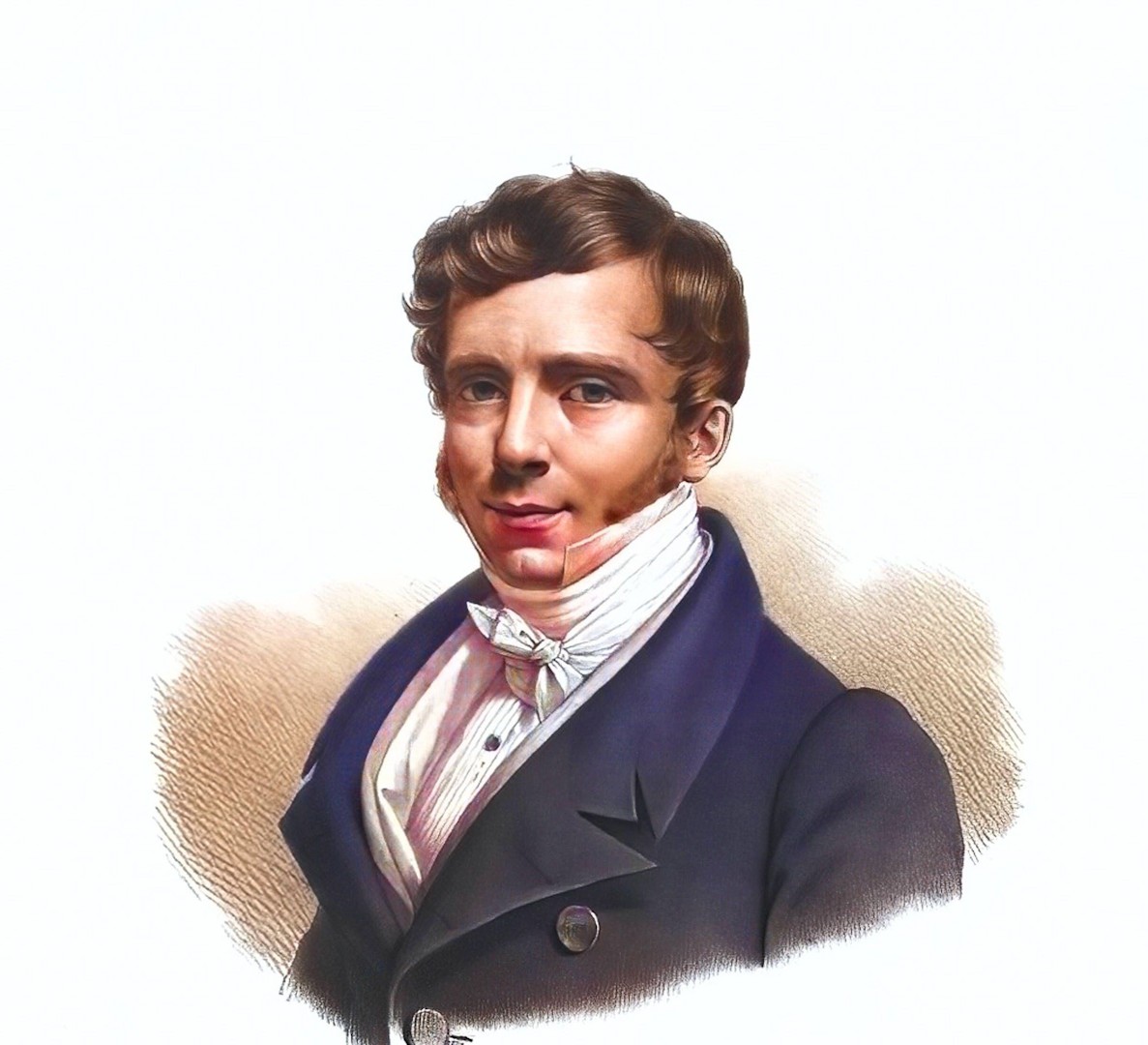
Gentleman Kalkbrenner

Imago / Alamy
Kalkbrenner and Alkan: Contrasting Virtuosos

Thalberg
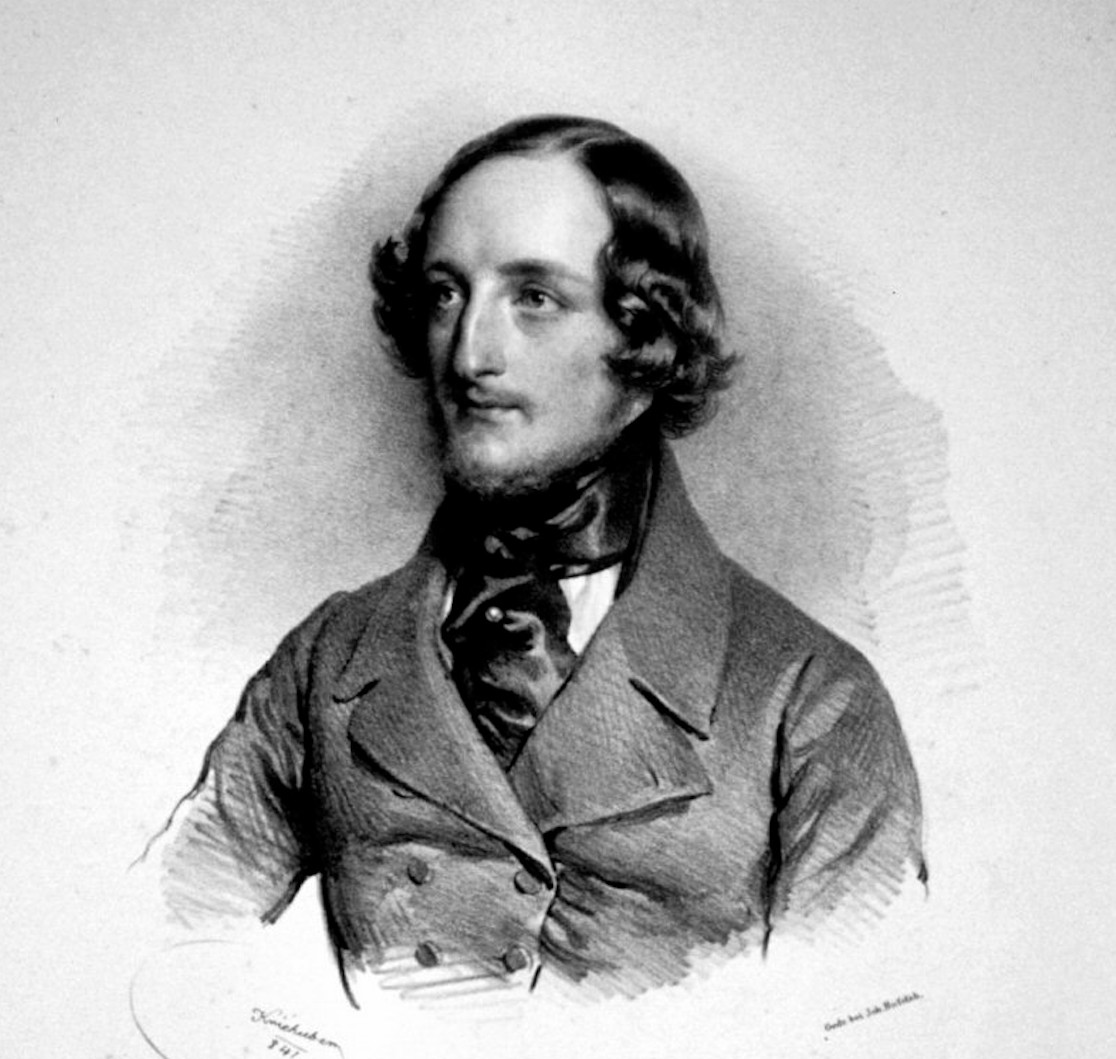
Thalberg 1841

Wikimedia Commons

Read Biography - Thalberg
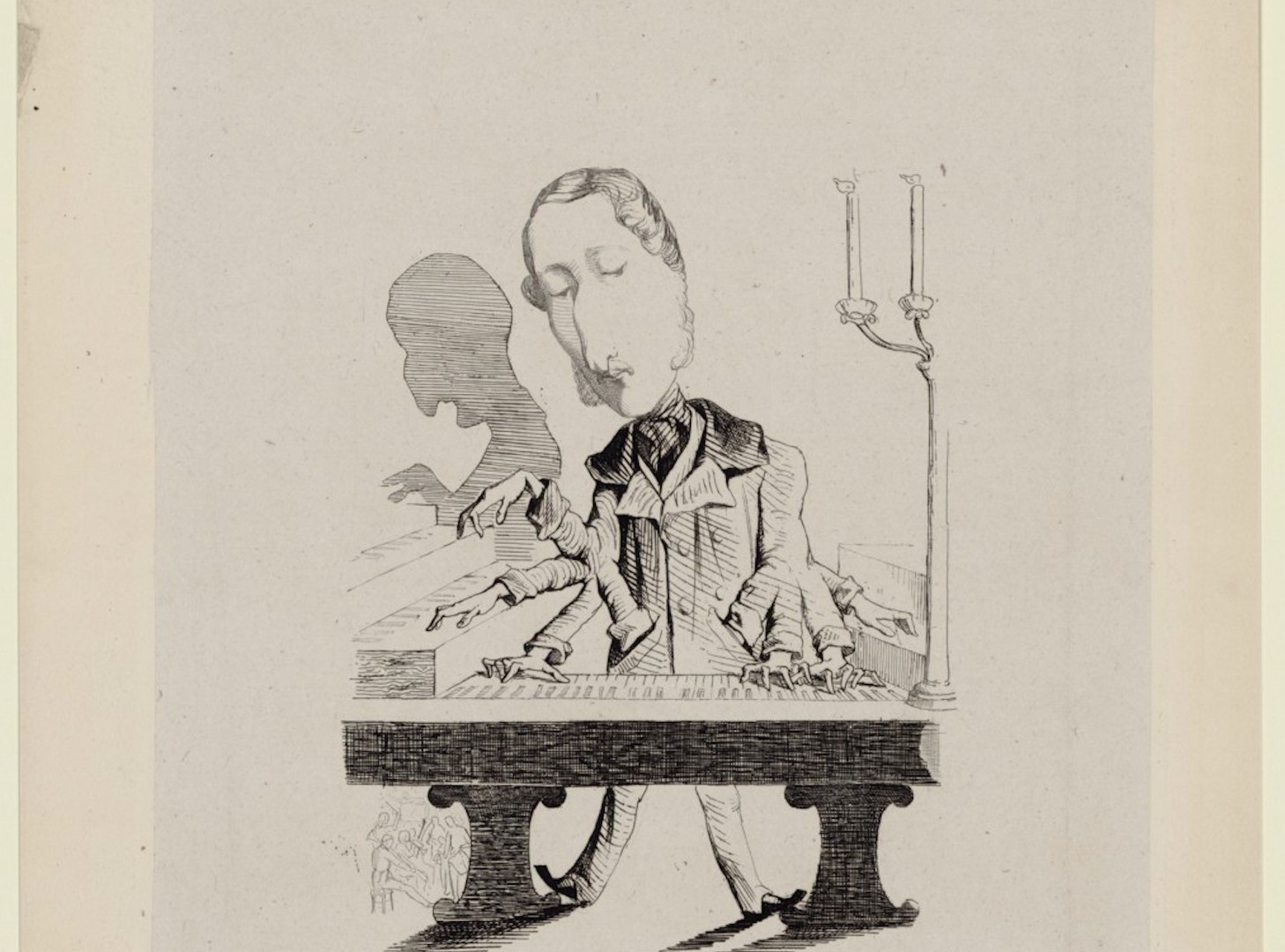
Thalberg with 8 hands

Source gallica.bnf.fr/BnF
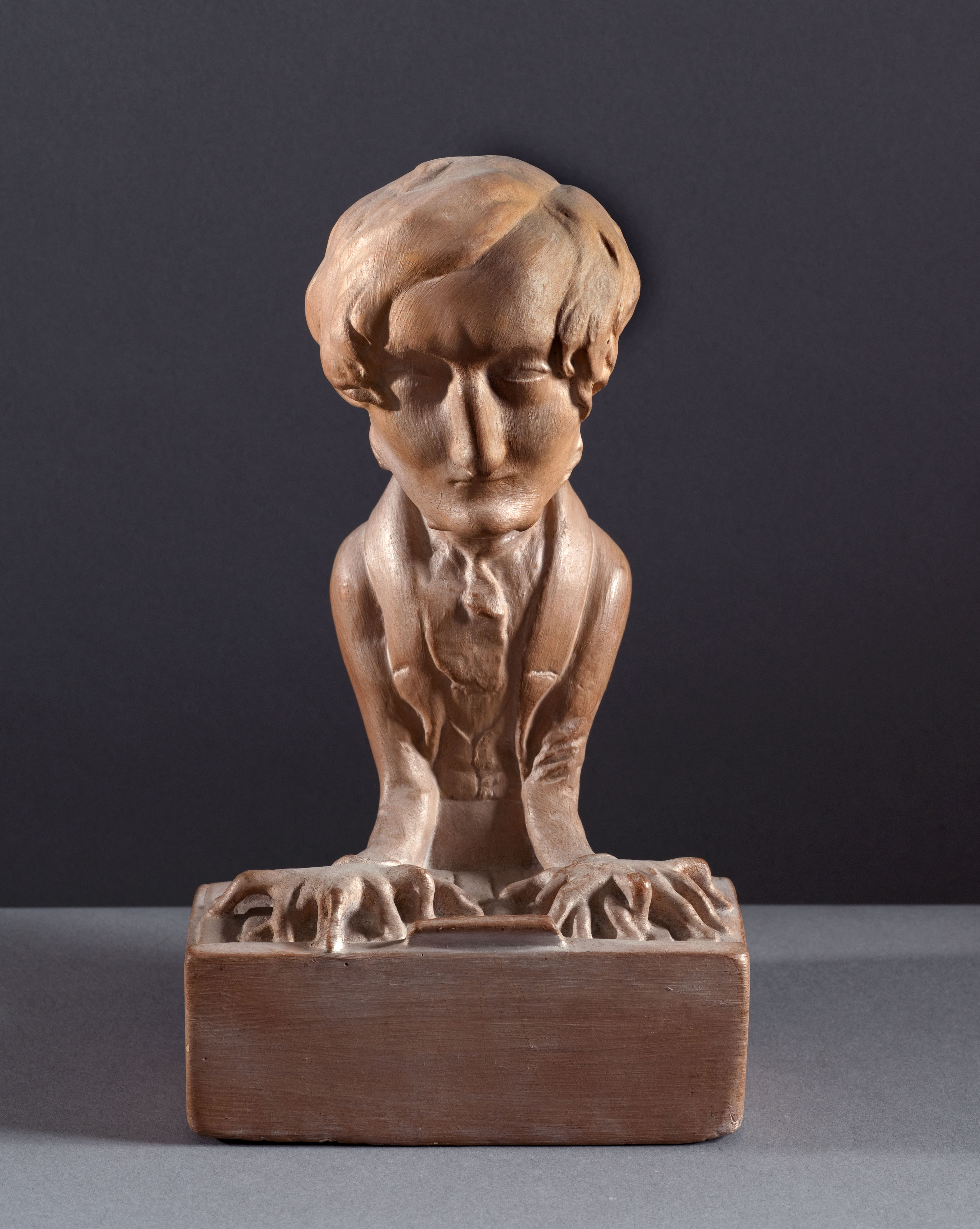
Bust of Thalberg

CCO 1.0 Universal
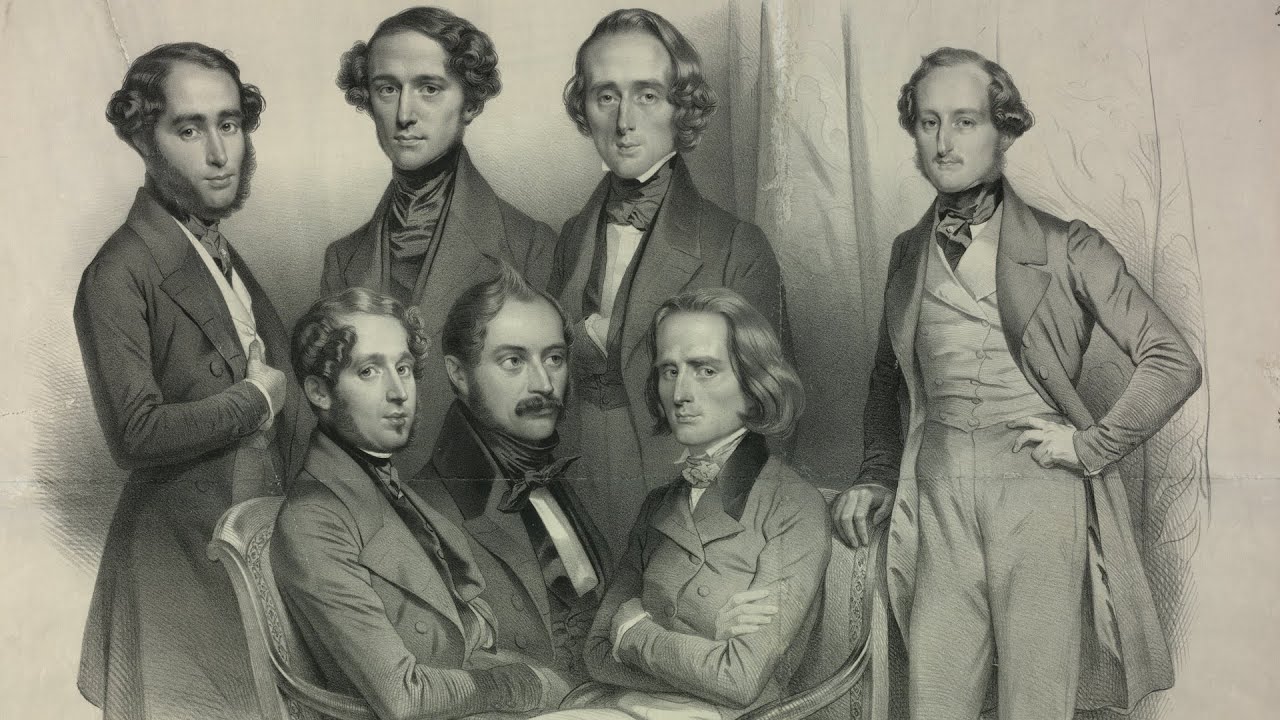
Famous Pianists Gallery

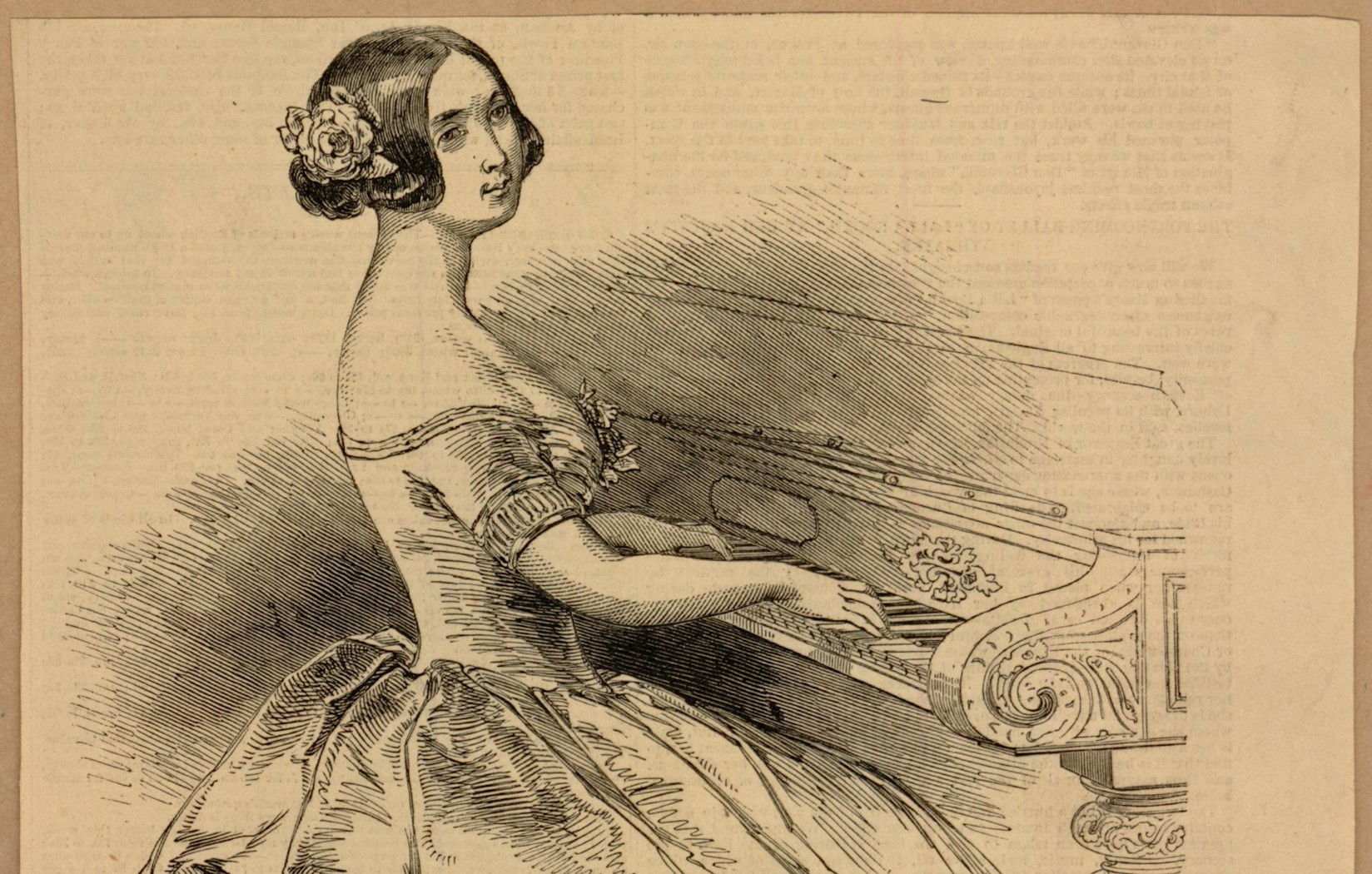
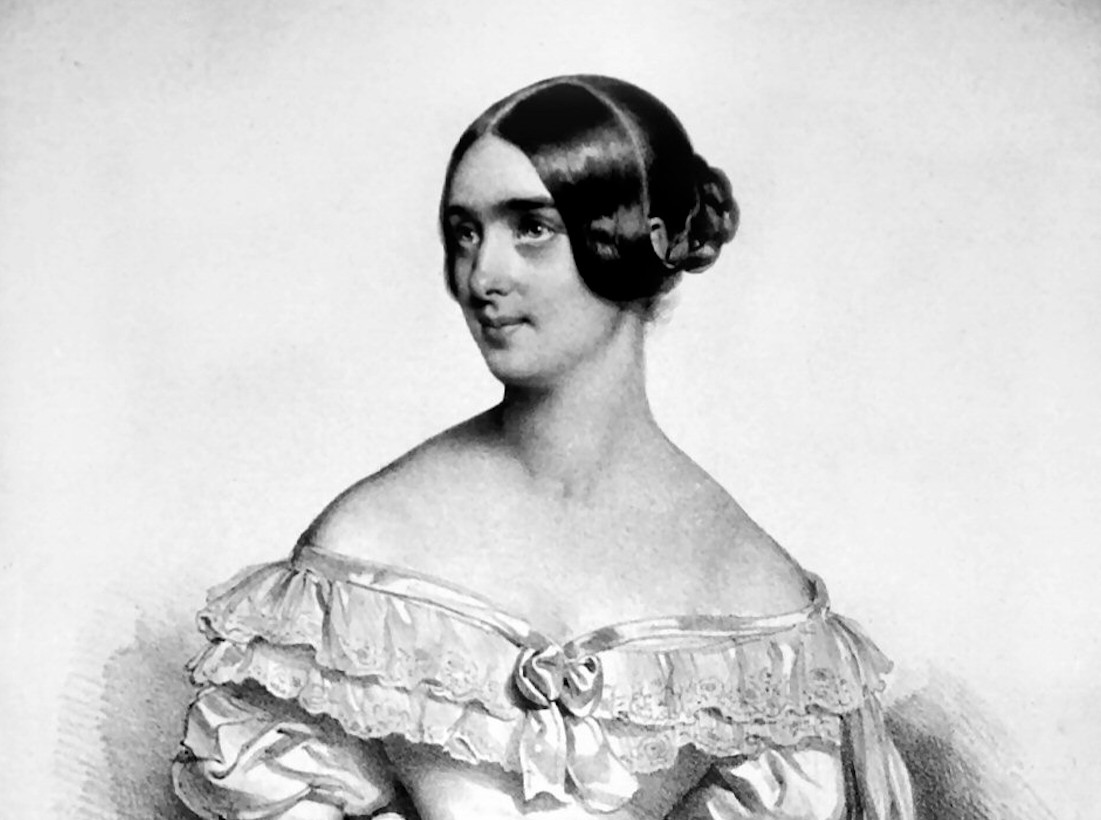
Pleyel

Pleyel 1830s

Wikimedia Commons

Read Biography - Pleyel
Pleyel in Vienna 1839

Wikimedia Commons
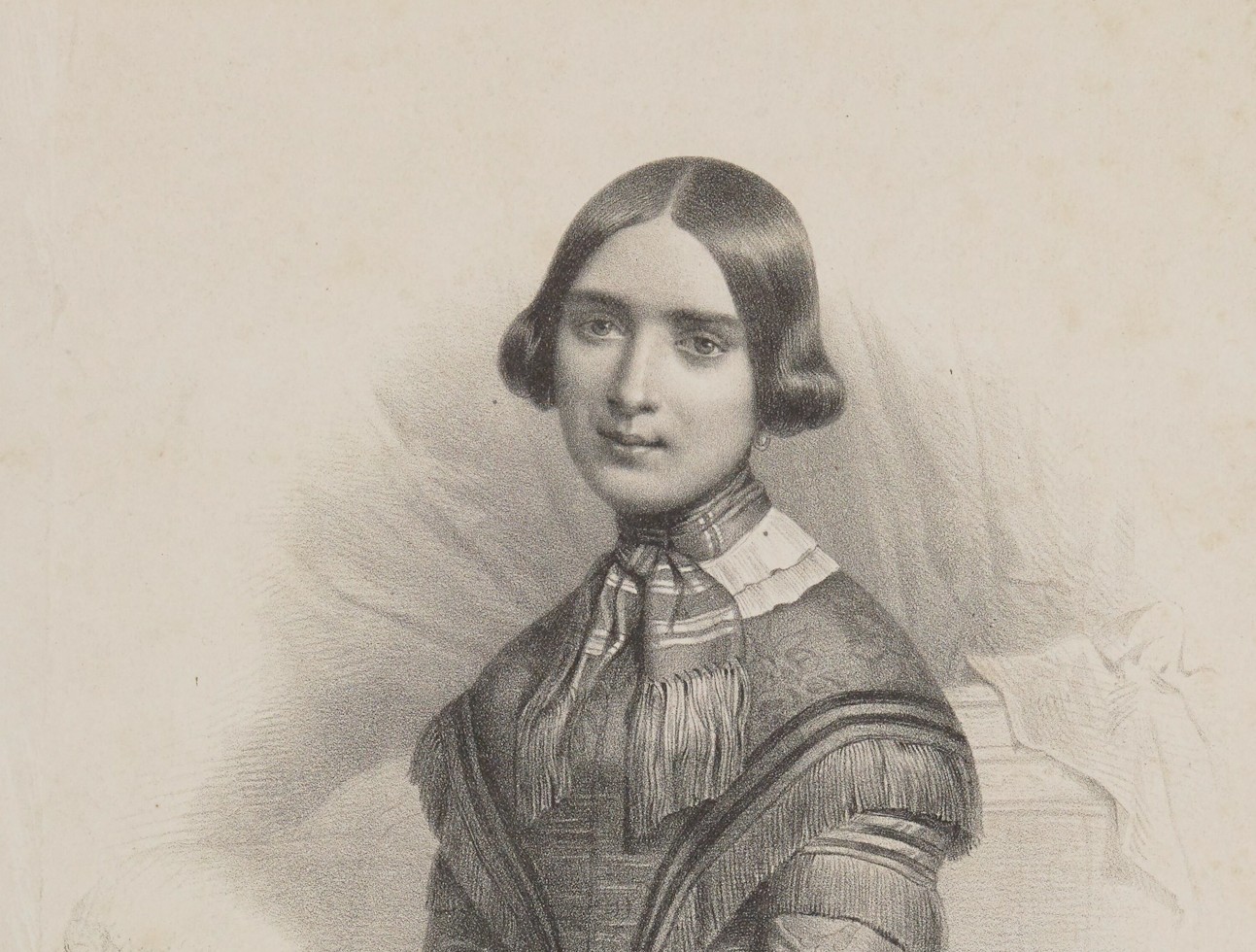
Pleyel 1845

Wikimedia Commons
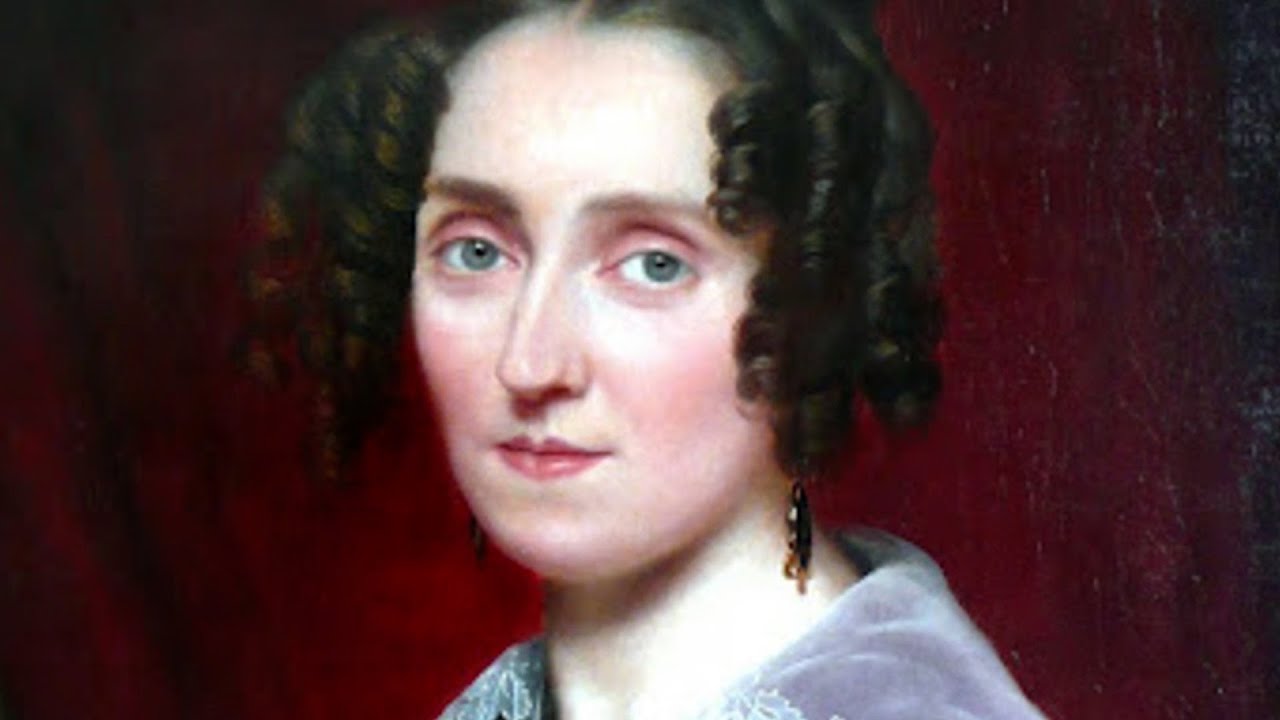
Women Pianists
Women Pianists

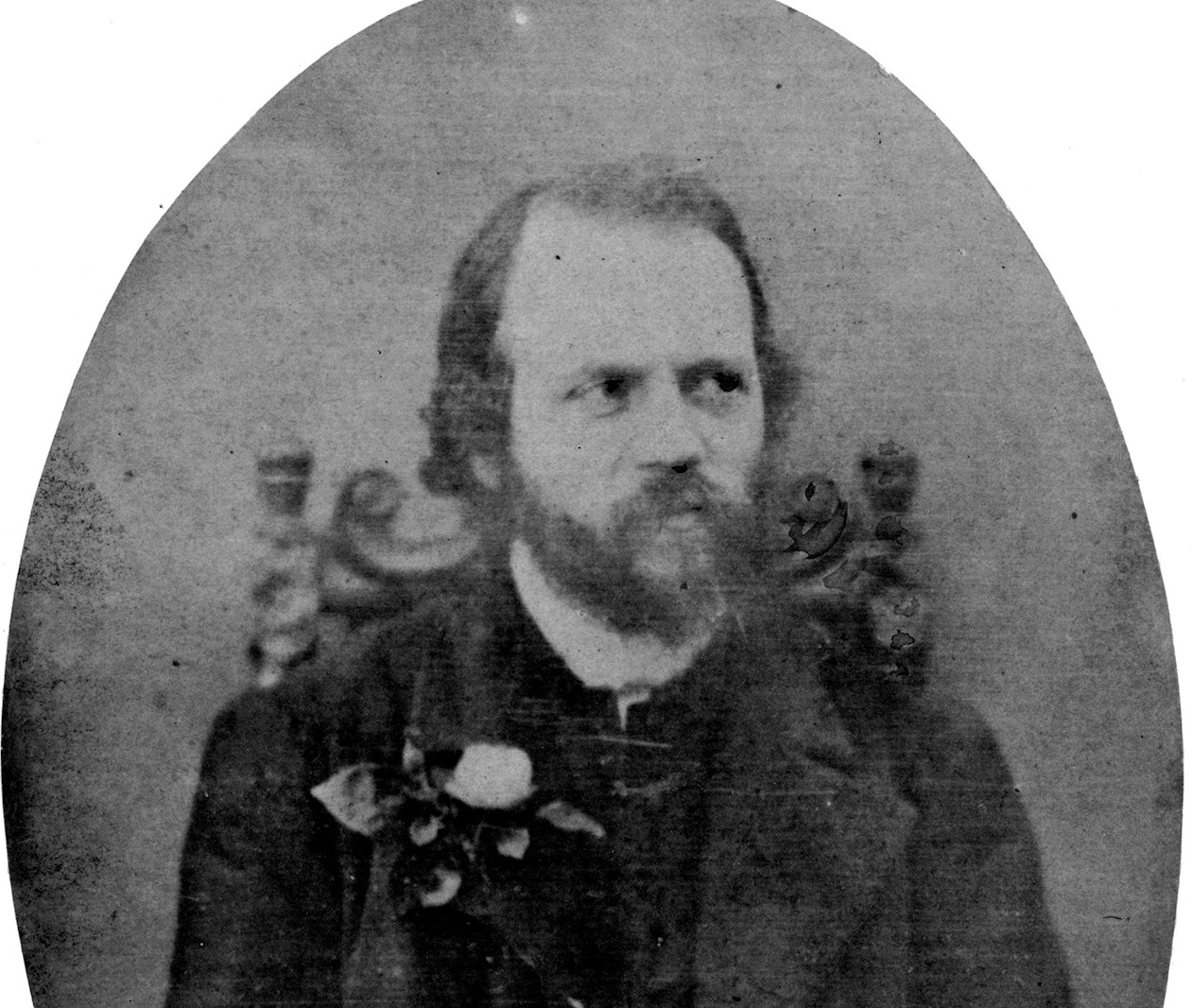
Charles Valentin Alkan
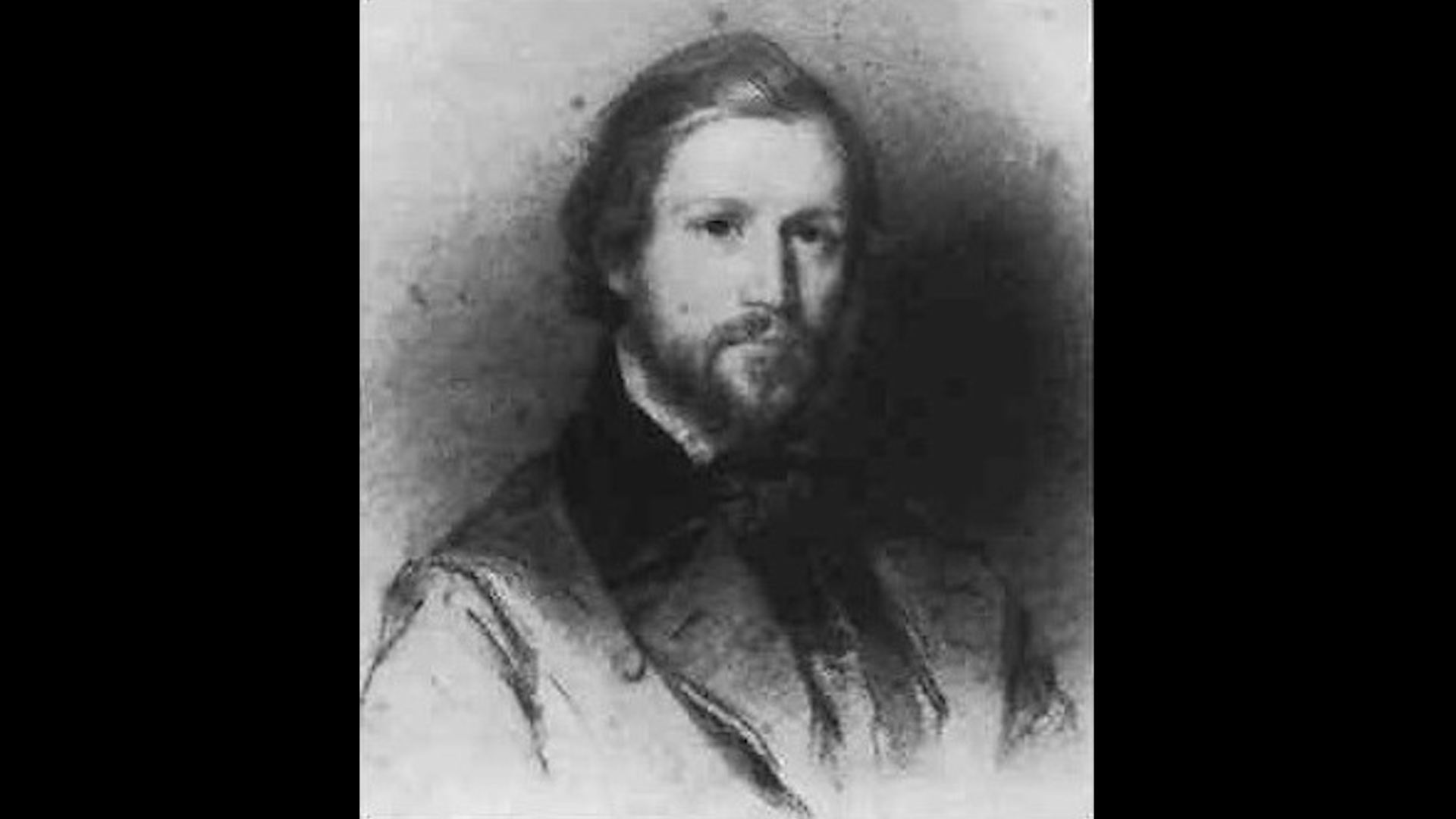
Alkan 1835

Wikimedia Commons

Read Biography - Alkan
Alkan circa 1865

Wikimedia Commons
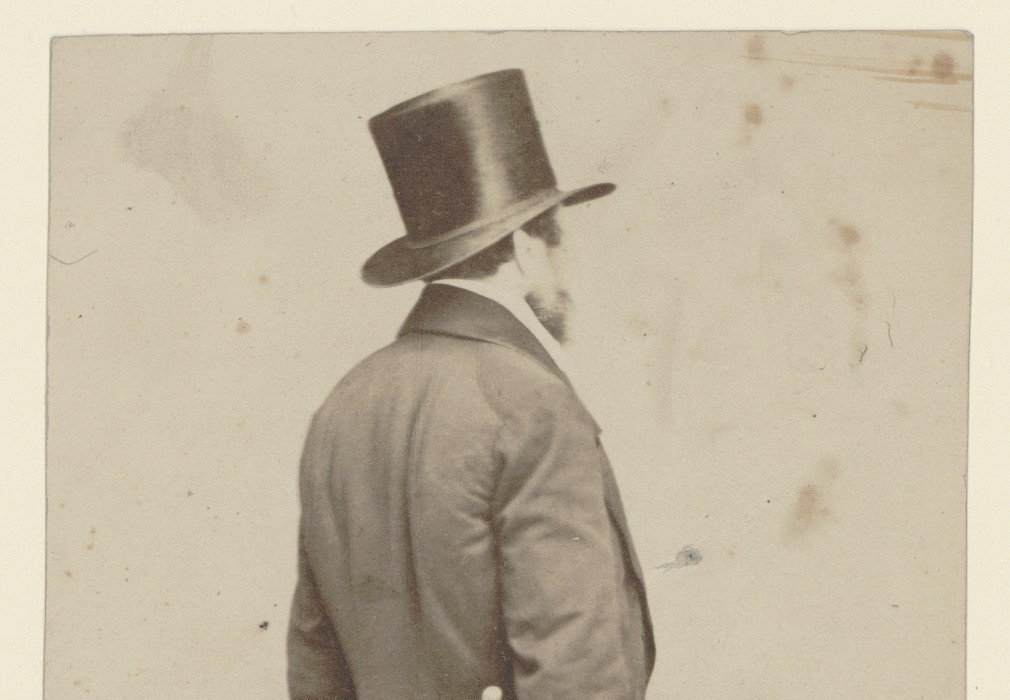
Alkan circa 1850

Source gallica.bnf.fr/BnF

Kalkbrenner and Alkan: Contrasting Virtuosos

Piano Makers (Érard & Pleyel)
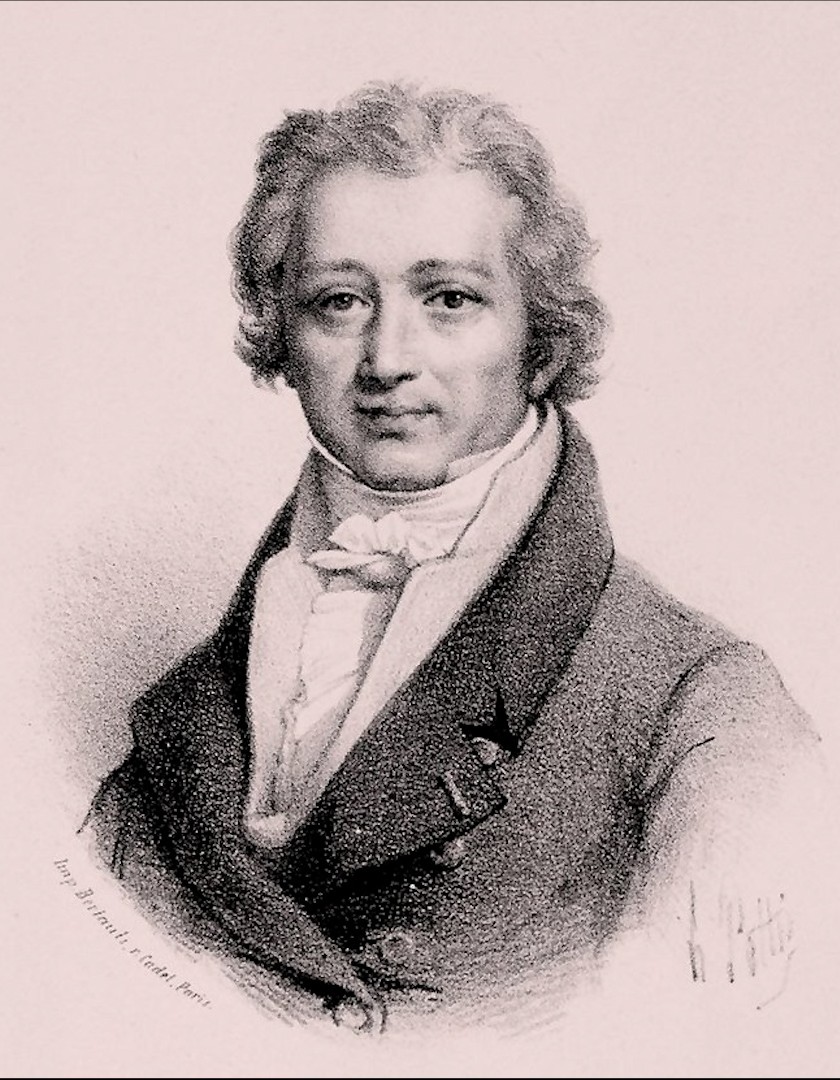
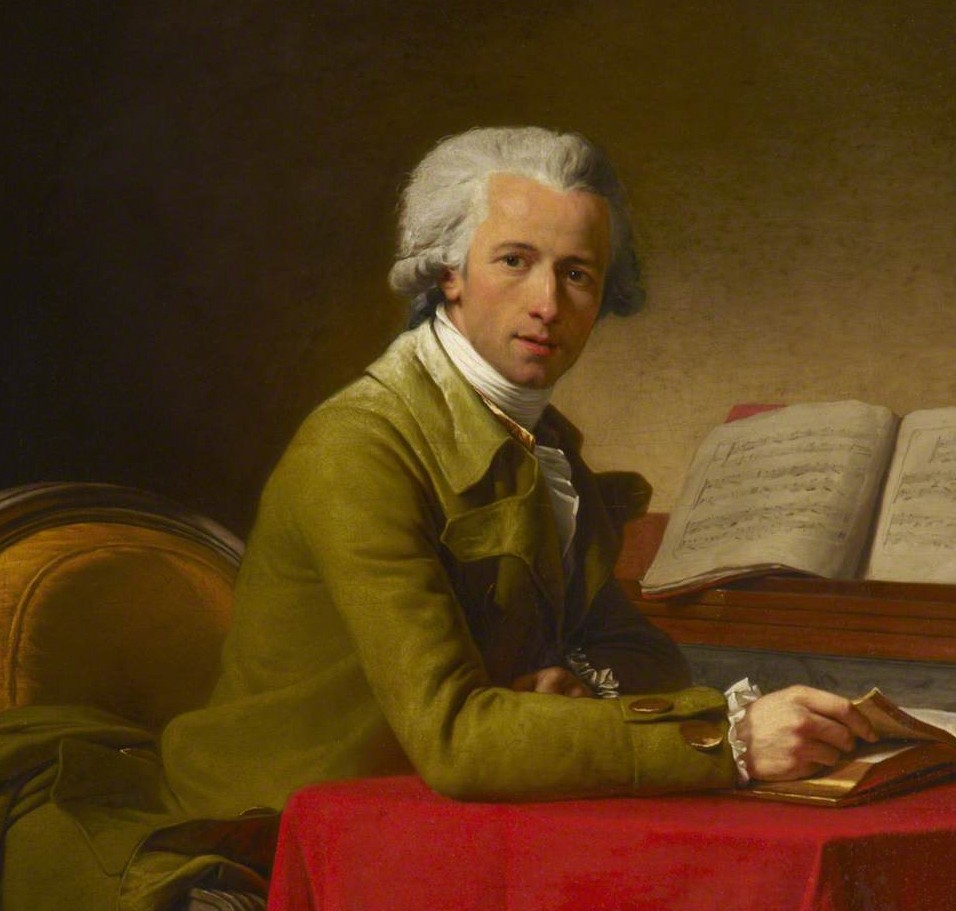
Sébastien Érard

Wikimedia Commons

Read Biography - Piano Makers (Érard & Pleyel)
Ignace Pleyel

Wikimedia Commons
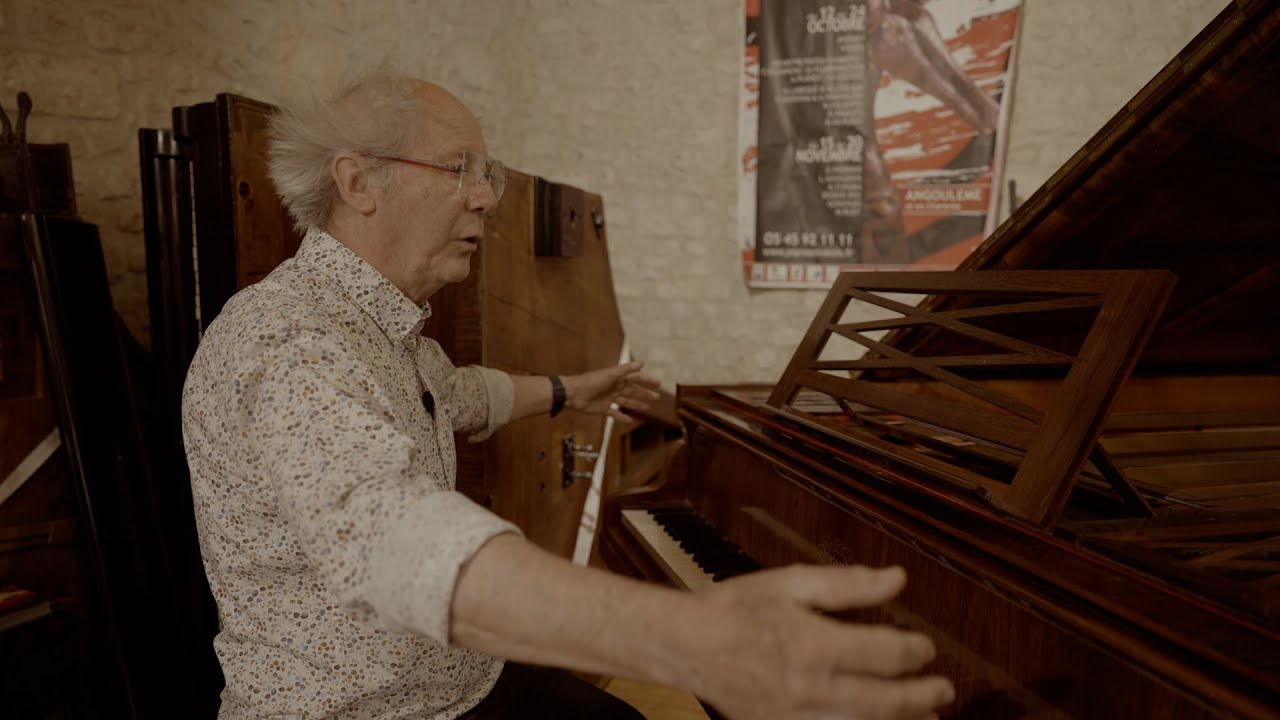
The Érard Piano
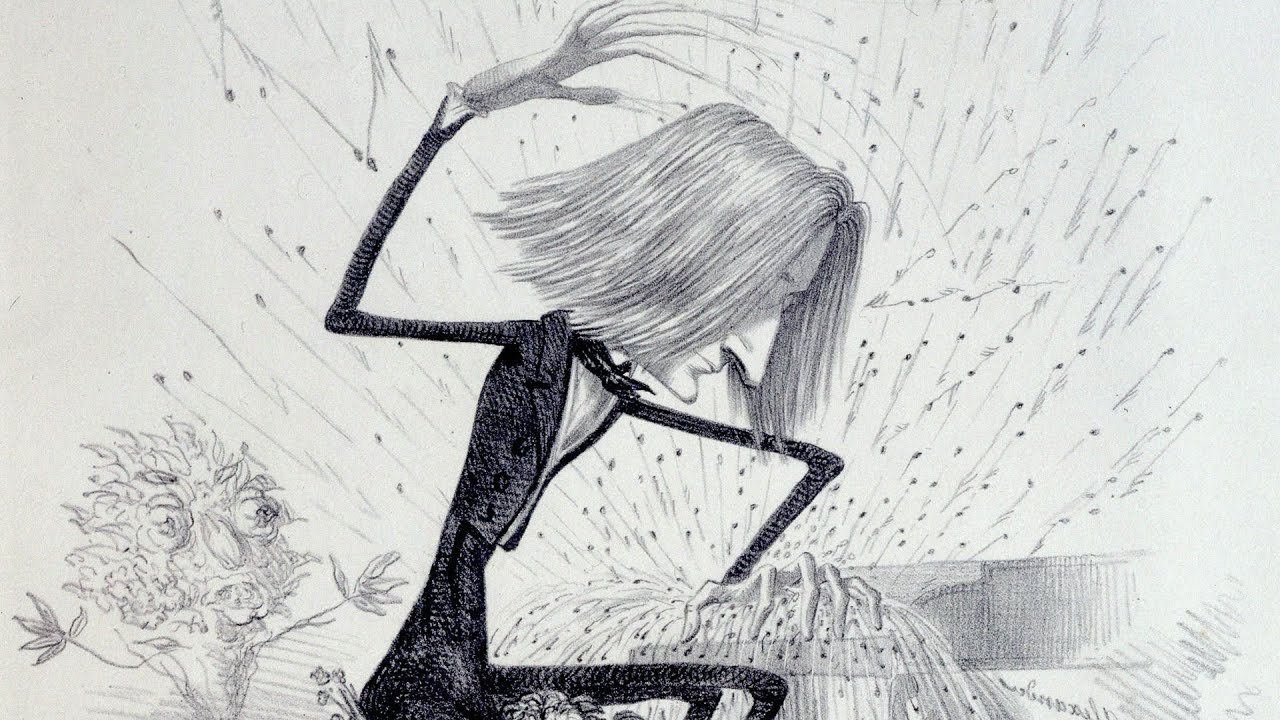
The Érard Piano
Érard Pianos and Liszt
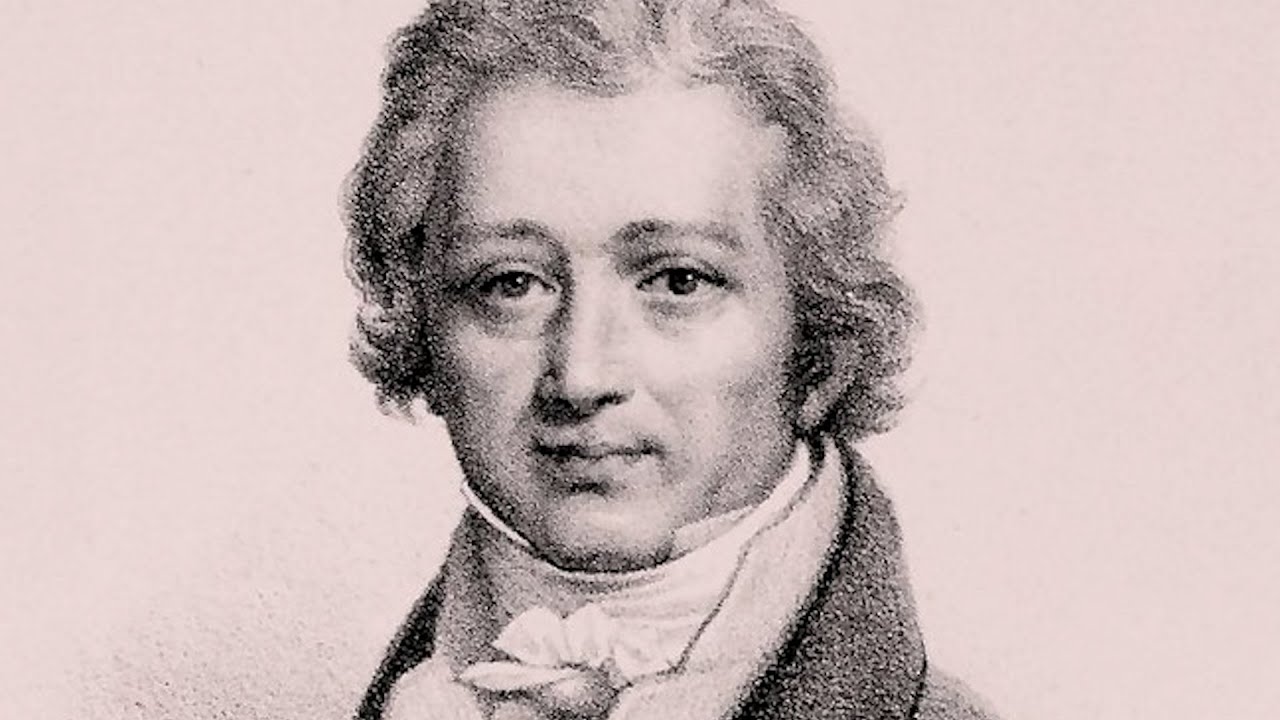
Érard The Piano Maker
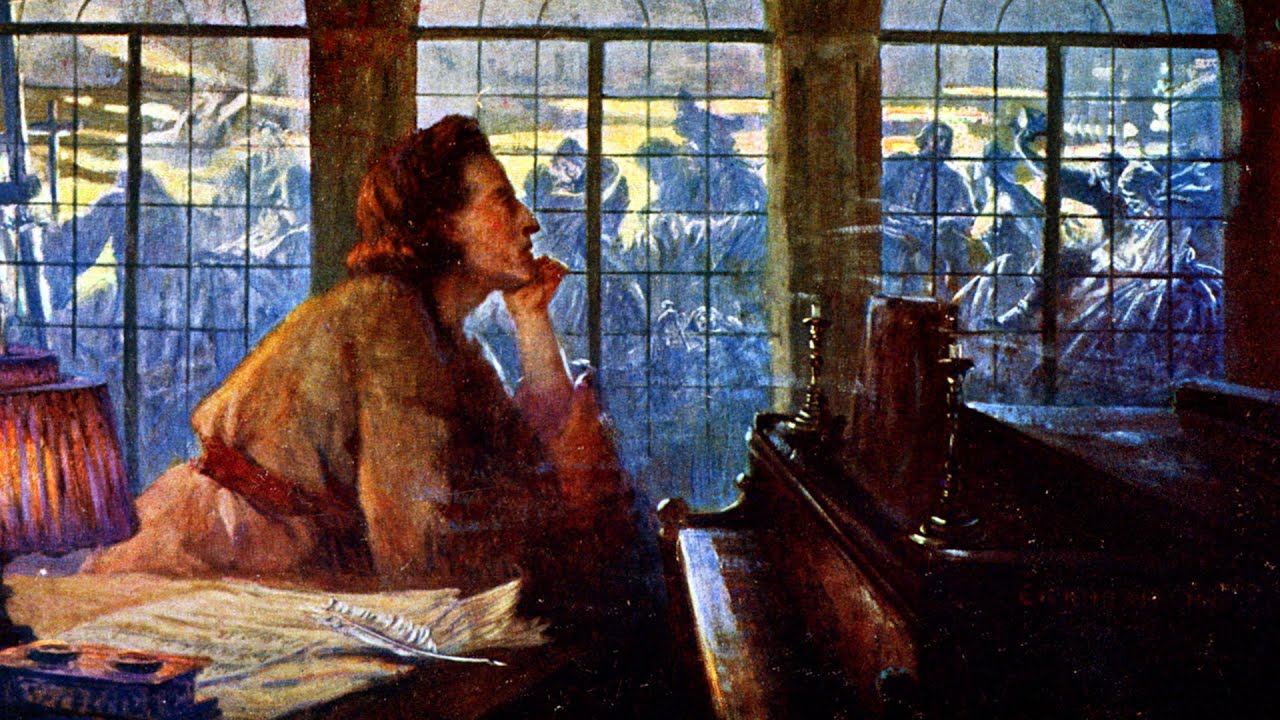
Pleyel Pianos and Chopin
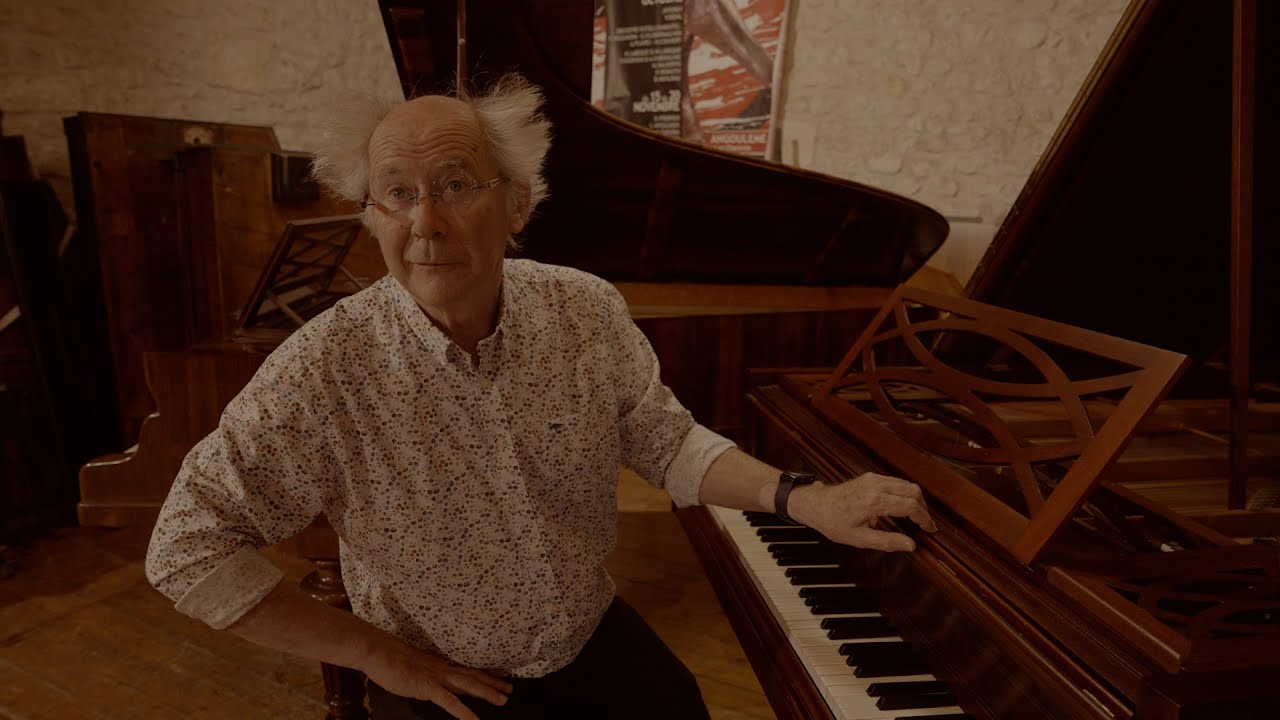
Pleyel in Nohant
Pleyel in Nohant

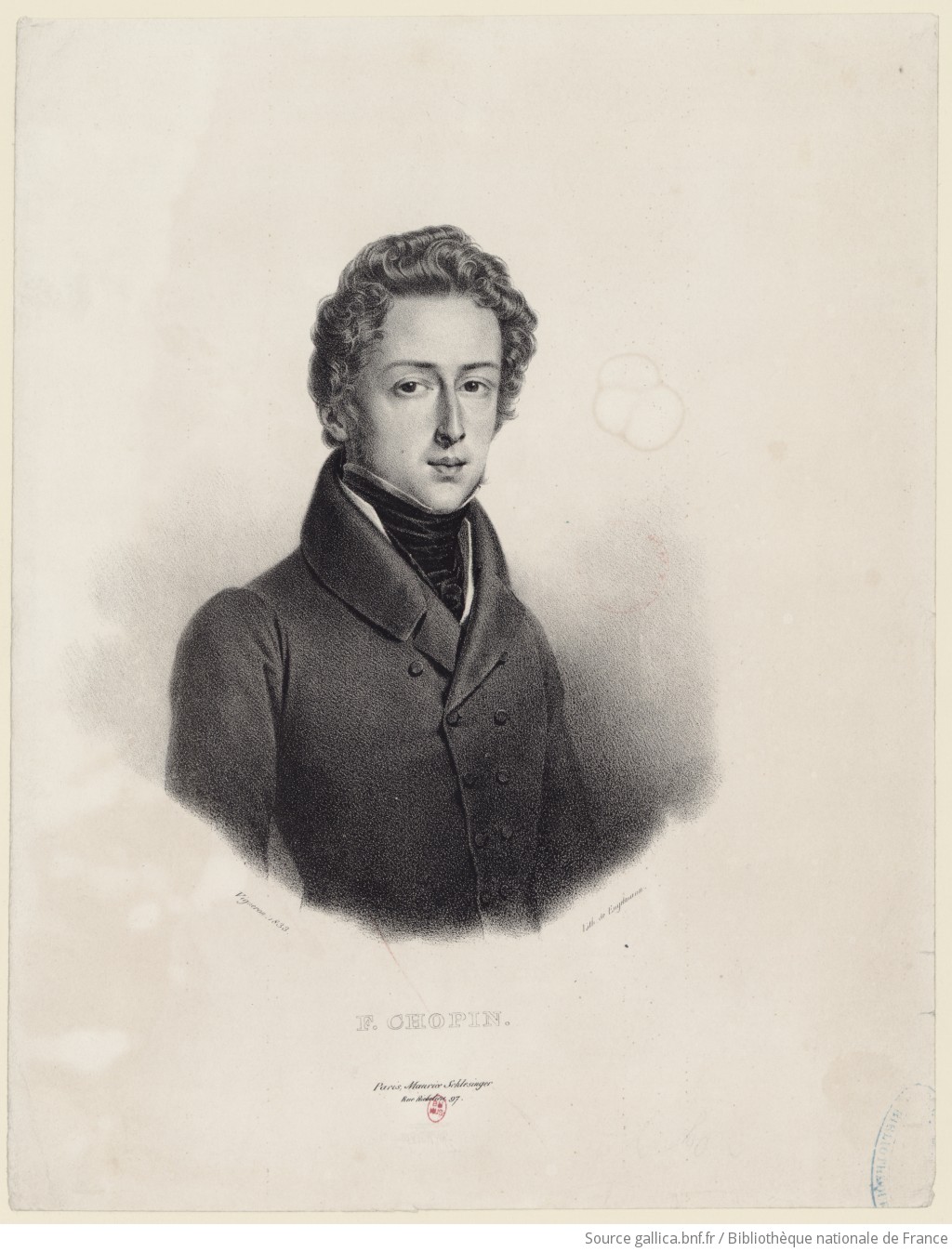
Frédéric Chopin

1810-1849 | Polish-French Composer and Pianist

Frédéric Chopin

Source gallica.bnf.fr/BnF

Chopin was born in Poland in 1810 to a French father and Polish mother. When he first arrived in Paris in 1831 he did not intend to stay, but ended up living there for the rest of his life.

Paris was expensive and he was often low on funds. His fortunes changed when he was introduced to the Rothschild family. Because of their influence he soon became a regular in all the best Parisian salons.

Chopin preferred the intimacy of salons to concert halls and only gave about 30 public performances in his 18 years in Paris.

He made his living by giving lessons to rich, aristocratic ladies. In an age where the average worker earned 10 to 15 francs per week, Chopin charged 20 francs per lesson and gave 3 or 4 lessons per day.

His virtuosic Etudes and Preludes are short works of major expressive power. These works, along with his waltzes, nocturnes and polonaises are still in the piano repertoire today.

If they could fulfill one wish, many current music writers fantasize about going back in time and hearing Chopin playing in a salon.

Key Achievements

  • Composed most of his over 200 works for solo piano.
  • Transcended flashy virtuosity, taking piano music to an internalized, emotional level.
  • Most of his works are still performed today.

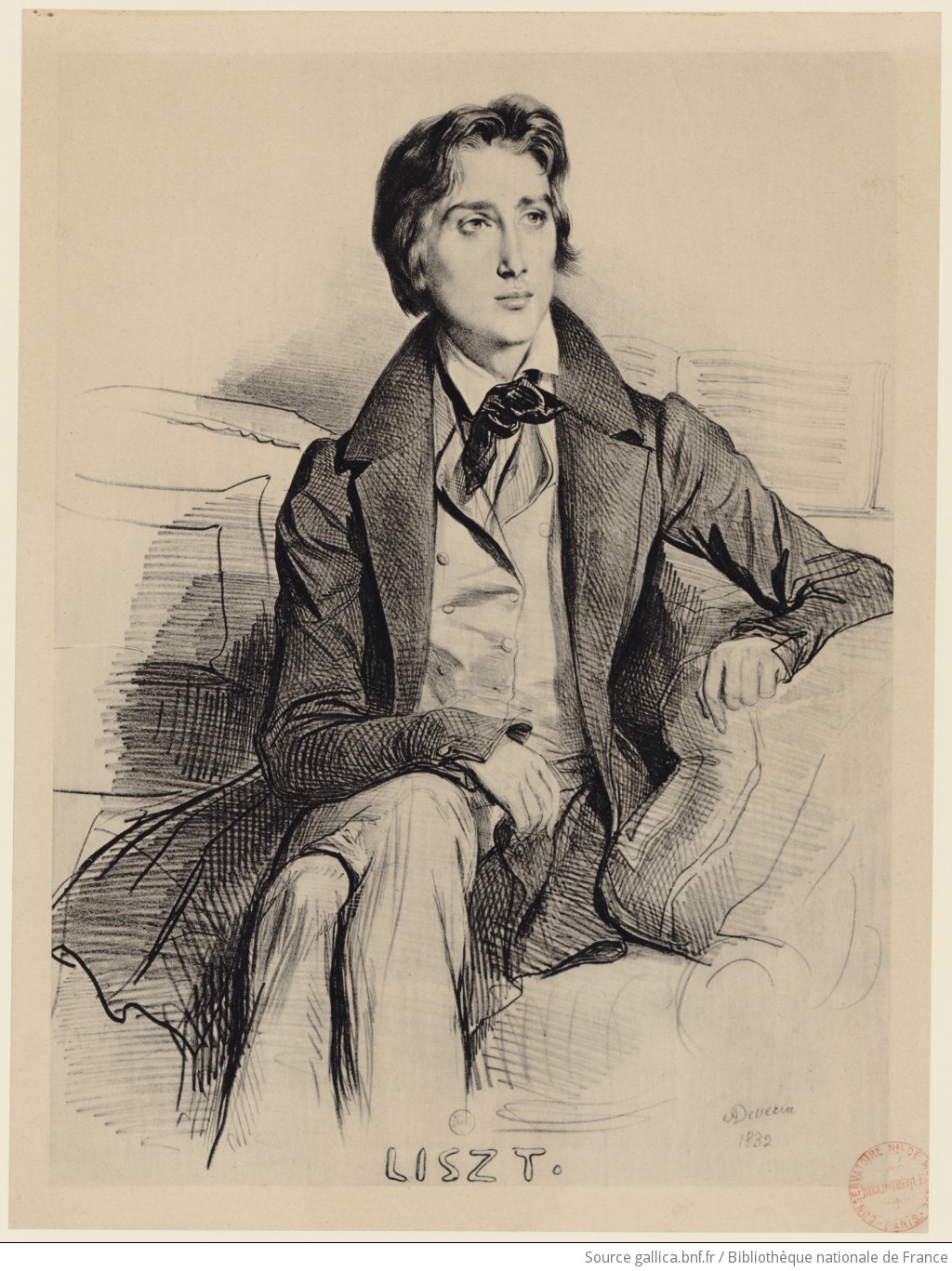
Franz Liszt

1811-1886 | Hungarian Composer, Pianist, and Conductor

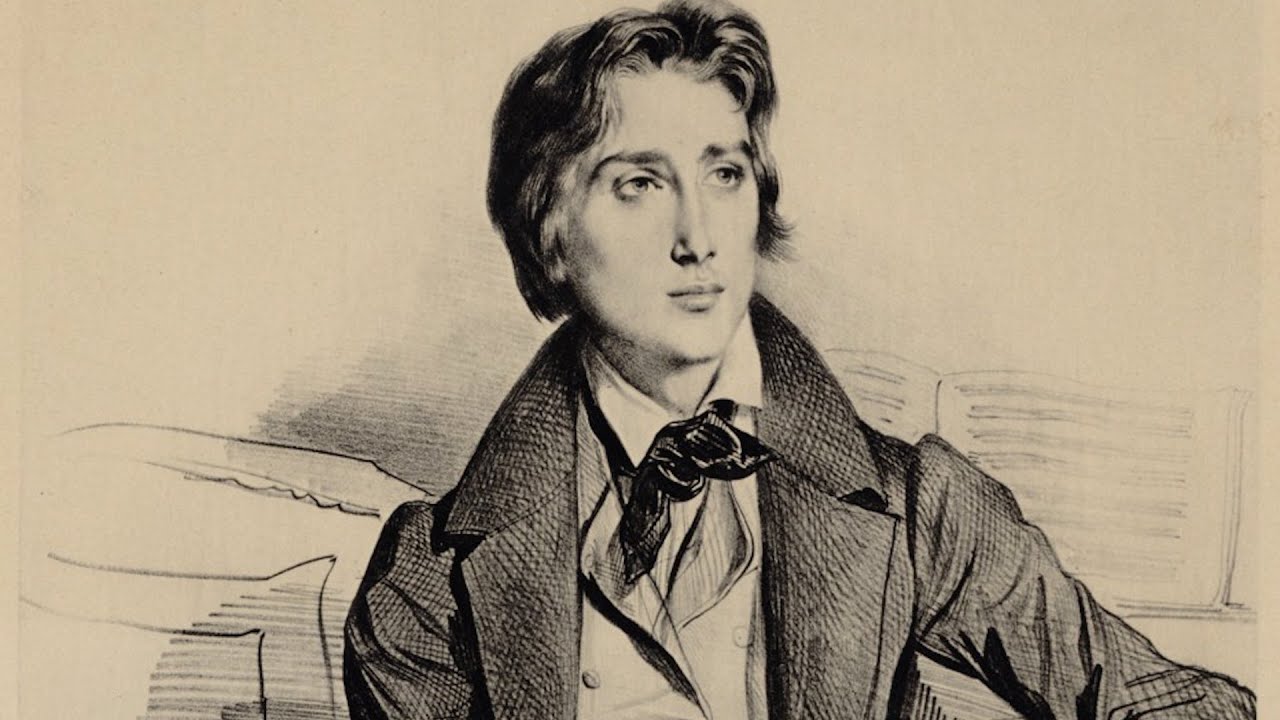
Franz Liszt

Source gallica.bnf.fr/BnF

Liszt was born in Hungary in 1811 and his father, Adam, was quick to promote the child prodigy. Barely 11 years old, Liszt stunned audiences during his Viennese debut. The thin, tiny boy who could barely reach the pedals played as if his arms were made of steel and showed great physical stamina which led to him being called "little Hercules."

Arriving in Paris in 1823 young Liszt was refused entry into the Paris Conservatory because the school no longer took foreign students. Undeterred, Adam Liszt introduced his son to the piano manufacturer Pierre Érard who was greatly impressed and soon made Liszt the Érard house pianist.

Their constant touring ended abruptly when Liszt's father died of typhus in 1827. Losing the managerial, guiding hand of his father, Liszt became rudderless and rarely appeared in public.

In 1832, he saw the violin virtuoso Paganini and inspired, Liszt locked himself away from society and practiced nonstop, vowing to become the Paganini of the piano.

Liszt emerged from his relentless practicing and began dazzling audiences. His good looks, prodigious technique, sexual charisma and flashy showmanship made him a virtuoso superstar.

Liszt revolutionized piano performance and established new standards for virtuosity.

Key Achievements

  • Pioneered the modern, solo piano performance.
  • Made virtuosity an aural and visual experience.
  • Was the world's first real rock star.

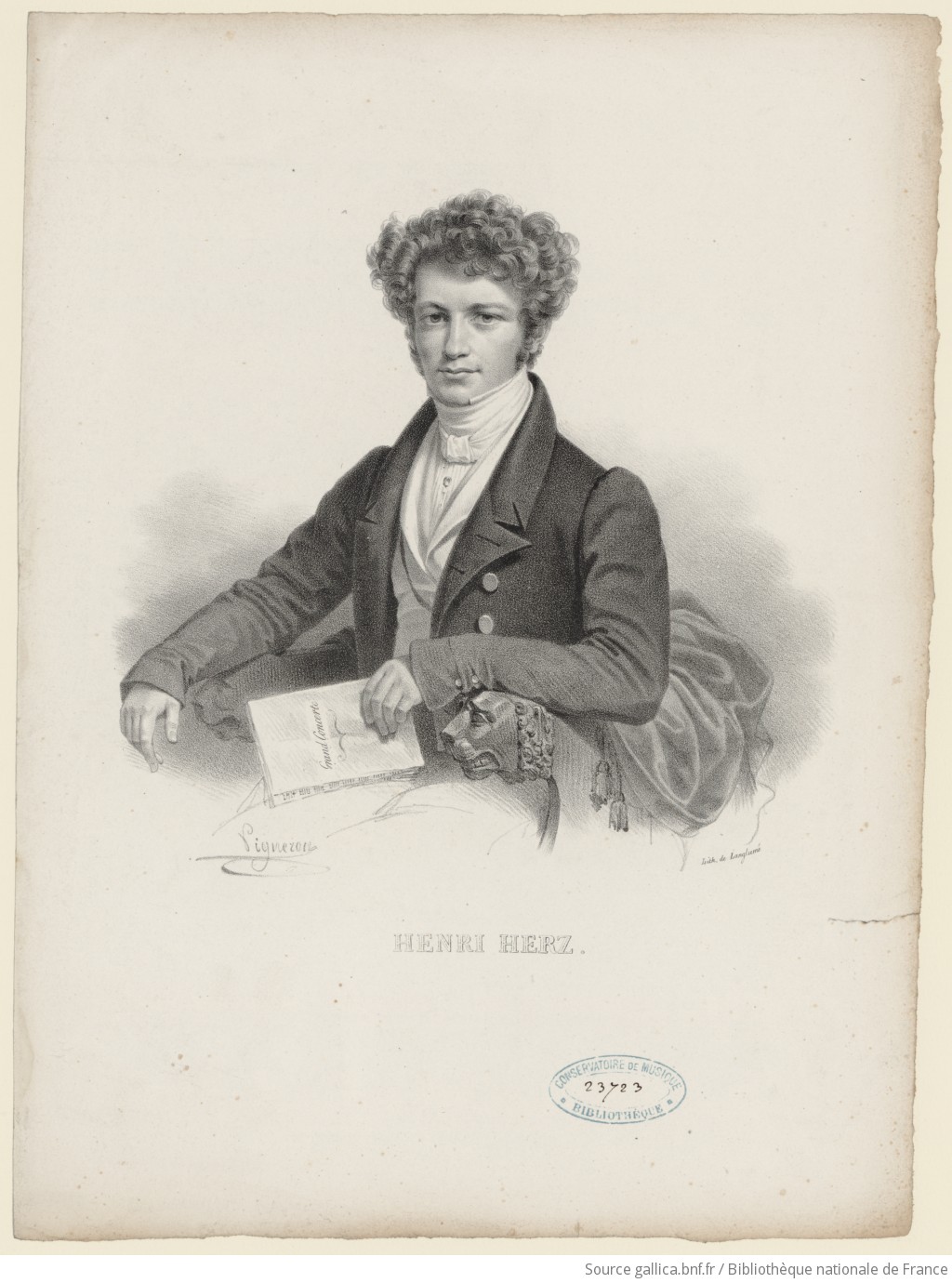
Henri Herz

1803-1888 | Austrian Pianist, Composer, and Piano Maker

Henri Herz

Source gallica.bnf.fr/BnF

Henri Herz was a child prodigy born in 1806 to a large musical family in Vienna. His family moved to Paris in 1816 and Herz entered the Paris Conservatory, joining 3 of his siblings.

Pradher, his piano teacher at the Conservatory, was well connected and Herz was quickly introduced into society and became a favourite of Paris' aristocratic salons. In 1827 he was appointed the "premier pianiste de roi".

Herz was a prolific composer of lightweight opera variations that sounded showy and dramatic, but were in fact easy to play. This made him the darling of budding amateur pianists who wanted to look semi-pro.

He gave piano lessons literally day and night. One pianist found that the only time available for his lesson was 5 o'clock… in the morning.

His sheet music sold more than all other composers and his publishers paid him up to 4 times more per page. In 1838 he opened a business which included a piano manufactory, a piano school and a concert hall that was all the rage in Paris.

Herz's success as both a performer and businessman made him one of the most influential figures in Parisian piano culture.

Key Achievements

  • Astute entrepreneur and world class pianist.
  • Built first complete piano manufactory: sales room, school, factory, concert hall.
  • Sheet music sold around the world.

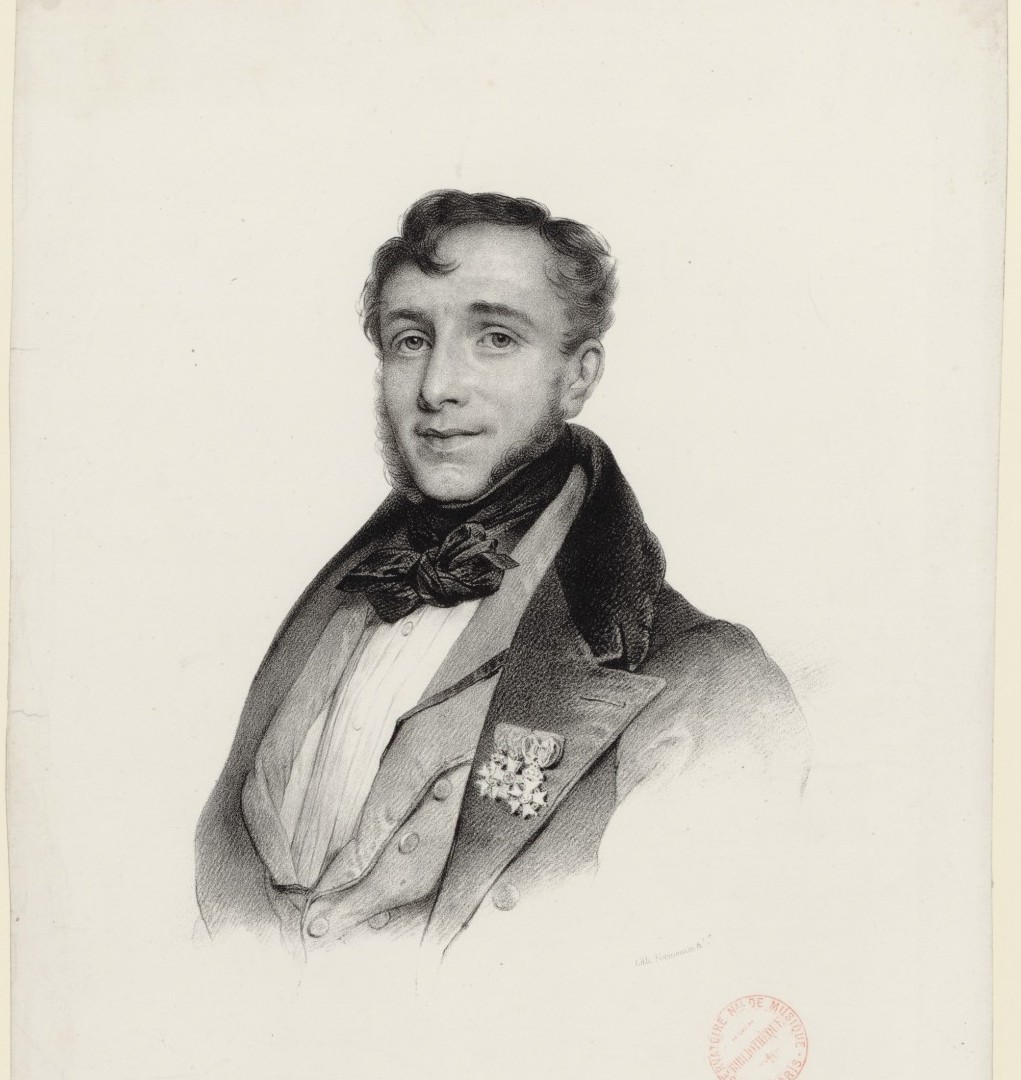
Friedrich Kalkbrenner

1785-1849 | German Pianist, Composer, and Piano Teacher

Friedrich Kalkbrenner

Source gallica.bnf.fr/BnF

Friedrich Kalkbrenner was born in 1785 supposedly in a stagecoach somewhere between Kassel and Berlin, in Germany. Kalkbrenner was a child prodigy and met the famous composers Haydn and Beethoven who both foresaw a great future for the boy.

The family arrived in Paris in 1798 and Kalkbrenner was immediately accepted at the Paris Conservatory. He advanced quickly, winning first prizes in piano playing and composition, an unprecedented double header.

After business and personal successes in 1820's London, Kalkbrenner returned to Paris where, by 1828, he was considered on par with Henri Herz and Franz Liszt, making him one of the city's elite piano virtuosos. In the late 1820's Kalkbrenner ventured into a partnership with the Pleyel piano company and was their in-house pianist at concerts.

While his playing was elegant and accurate, it was emotionally flat. By the early 1830's Kalkbrenner was rich and famous. He was Paris' go-to piano teacher, his compositions sold well and he married a young and aristocratic lady.

Kalkbrenner's influence as a teacher and performer helped shape the lives of many of the era's virtuosos.

Key Achievements

  • Paris' go-to piano teacher.
  • Developed unique and profitable teaching methods.
  • In the 1830s all pianists aspired to be like him.

Sigismond Thalberg

1812-1871 | Austrian Pianist and Composer

Sigismond Thalberg

Wikimedia Commons

When Sigismond Thalberg was born in Geneva in 1812, he was rumoured to be the illegitimate child of a Prince and Baroness. Aristocratic or not, Thalberg was lucky enough to have had a gentleman's upbringing before his piano talents came to light when he was 14.

Having rich sponsors and so not needing to give piano lessons, he was able to focus on perfecting his playing, which he did day and night.

He developed a technique where he would use both thumbs to play the melody in the middle of the keyboard, while the other fingers went about their business with embellishments in the upper and lower registers of the piano. The resulting wall of sound was dubbed the three-handed technique and would become Thalberg's trademark.

Audience members would get up on their chairs to see what Thalberg's fingers were doing. Thalberg's compositions consisted almost entirely of variations on popular opera tunes. His Moses Fantasy variations was probably the most successful piece of the 19th century.

Thalberg's Paris debut in 1836 was a huge hit and he was considered the main rival of Paris' other super star, Franz Liszt.

Thalberg's three-hand technique became legendary and influenced many pianists of the era.

Key Achievements

  • Rivaled Liszt as the era's greatest virtuoso.
  • Added texture to music using his three-handed technique.
  • Moses Fantasy variations was the biggest hit of the 1840s.

Marie Pleyel

1811-1875 | Belgian Pianist and Piano Teacher

Marie Pleyel

Wikimedia Commons

Marie Pleyel was the whole package. She was born in Paris in 1811 to a Belgian father and German mother, so, besides being a piano prodigy she was also trilingual. She was astonishingly gifted and amazed the audience with her virtuosity during her first formal recital when she was only 8.

She was also very pretty and caught the eye of the romantic composer Hector Berlioz. They were engaged in 1830. Marie's mother wished for her daughter to marry a man of good fortune and broke her engagement to Berlioz so Marie could marry Paris' top piano manufacturer Camille Pleyel.

Furious at the deception, Berlioz bought poison and pistols and planned to assassinate Marie and Camille Pleyel. Luckily for them, and for music, he gave up the plan.

Perhaps because Camille was 23 years older than Marie, their marriage was not the happiest and Marie had several lovers including Franz Liszt. Her affairs were so notorious that they overshadowed her piano career. Her marriage to Camille did not last and the couple separated after only 4 years together.

After their divorce Marie disappeared from Paris for several years but made a triumphal comeback in 1845.

Key Achievements

  • Most famous female pianist of the 1830s-1840s.
  • Exceptional technique combined with expressive performance.
  • Influential teacher and mentor to aspiring pianists.

Leopold de Meyer

1816-1883 | Austrian Pianist and Composer

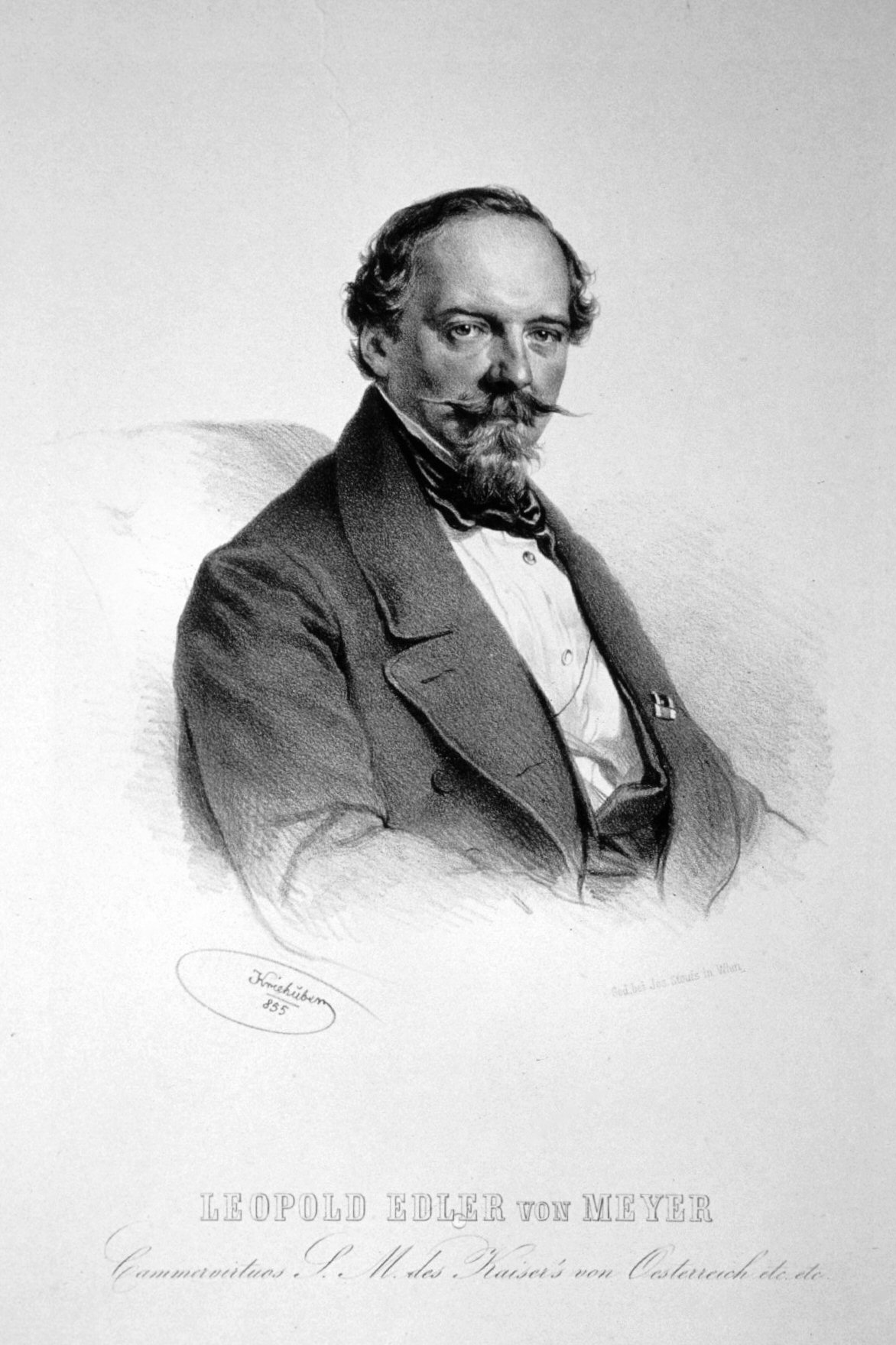
Leopold de Meyer

Source gallica.bnf.fr/BnF

Leopold de Meyer was born in Baden, near Vienna, in 1816. His father intended for him to be a civil servant but when he died of cholera, de Meyer shifted gears devoting himself entirely to music. He was a pupil of Carl Czerny, the famous piano teacher in Vienna.

From 1835 onwards, he was a fixture in Viennese salons and his European concerts brought him fame and fortune. He was not lean and elegant like Thalberg or Liszt, and his short, fat body perspired a lot when he played. His arrival in Paris in the early months of 1845 established him as the hot virtuoso of the moment.

He played fast and loud and his stunts made him a worthy member of what was being called the "flying trapeze" school of piano playing. The Moroccan March, his big hit of 1845, impressed Hector Berlioz so much that he had it orchestrated and played at his concerts.

De Meyer was one of the first pianists to tour the United States and cash in on this burgeoning market. Due to his success others like Henri Herz would soon follow him across the sea.

Key Achievements

  • Dramatic and loud performer who dazzled audiences.
  • Earned huge amounts of money touring in United States.
  • Brought piano puffery to a new level with his published, promotional materials.

Charles Valentin Alkan

1813-1888 | French Composer and Pianist

Charles Valentin Alkan

Wikimedia Commons

Charles Valentin Alkan was one of 6 children born in Paris in 1813 to an Ashkenazi Jewish family. Alkan's father ran a private music school in the emerging Jewish community in the Marais. All six of his gifted children studied music but Alkan was the child prodigy of child prodigies.

He was accepted into the Conservatory when he was 6, won a first prize in music theory when he was 9, and a piano first prize when he was 10.

Alkan started appearing in salons when he was 8 and was very successful. In 1830, when he was 17, he was poised to become as famous a virtuoso as Liszt or Chopin.

But Alkan was an anti-virtuoso virtuoso. He lacked the charisma and movie star good looks of Liszt. He was shy and reclusive and didn't like touring. He was happiest out of the public eye, composing very intricate piano pieces that sold poorly. So, although he was talented, he sabotaged himself to the point where he only ever made one brief appearance in England and then returned to his comfort zone in Paris.

Key Achievements

  • Accepted into Paris Conservatory at 6 years old.
  • Composed complex works that only recently received wider audiences.
  • In 1873, after a 20 year absence, 60 year-old Alkan gave a series of successful concerts.

Piano Makers (Érard & Pleyel)

Master Piano Makers

If Paris, during the years of Pianopolis, was the Mecca of all budding piano virtuosos, this was partly due to the fact that all the industry's leading piano makers found themselves there. Érard and Pleyel were the most prestigious piano manufacturers at the time.

Sébastien Érard

Wikimedia Commons

Sébastien Érard

Sébastien Érard was born in Strasbourg, France in 1752. In 1785 he and his brother, Jean-Baptiste opened a piano manufactory.

It was during the 1820's that the ever-inventive Érard perfected his grand pianos with robust steel beams and special metal staples that held the ever-thicker strings in place. Bigger, tighter strings made for a louder, stronger piano.

Then in 1822 Érard came up with an invention that revolutionized piano manufacturing for all time: the double escapement. This allowed notes to be repeated rapidly. One did not have to let go of a key to then repeat the note.

Liszt, who needed a robust piano to withstand his arms of steel and produce an orchestral range of sounds, chose Érard pianos, as did many other virtuosos looking to push the limits of the instrument.

Key Achievements

  • Innovator and inventor extraordinare, his legacy was the double escapement action which is now part of all modern pianos.
  • Strong, loud robust Érard pianos were the gold standard of the 1830-1840s.
  • Liszt's piano of choice during his virtuoso years.
Ignace Pleyel

Wikimedia Commons

Ignace Pleyel

Ignace Pleyel was born in Austria in 1757. He was a prolific composer and a student of the classical composer Joseph Haydn. He started his musical career as a music publisher, but in 1807 he ventured into the manufacture of pianos.

While his grand pianos were not as robust or harmonious as Érard's, they had a lovely, melodic sound with growly basses and brilliant trebles. Pleyel really made his mark, and his money, by selling upright pianos known as pianinos, designed for the domestic market.

Kalkbrenner became a partner in Pleyel's firm, but Pleyel's most illustrious associate was Frédéric Chopin, whose lush, melodic music was a perfect fit for Pleyel's pianos and who composed exclusively on them.

Key Achievements

  • Pleyel pianos were known for their rich, melodic sound.
  • Small upright pianos called "pianinos" dominated the domestic piano market.
  • Chopin composed and played only on Pleyel pianos.

Both Sébastien Érard and Ignace Pleyel died in 1831, and in each case family members took over their businesses and made them flourish. Pierre Érard took over his uncle's business, and Camille Pleyel, who had trained to be a professional pianist, took over his father's business. A 19th century French music historian noted that French pianos were superior to all others. While this may sound like French superiority, during the 1830's and 1840's when Paris was Pianopolis, this was certainly the truth.