The Book
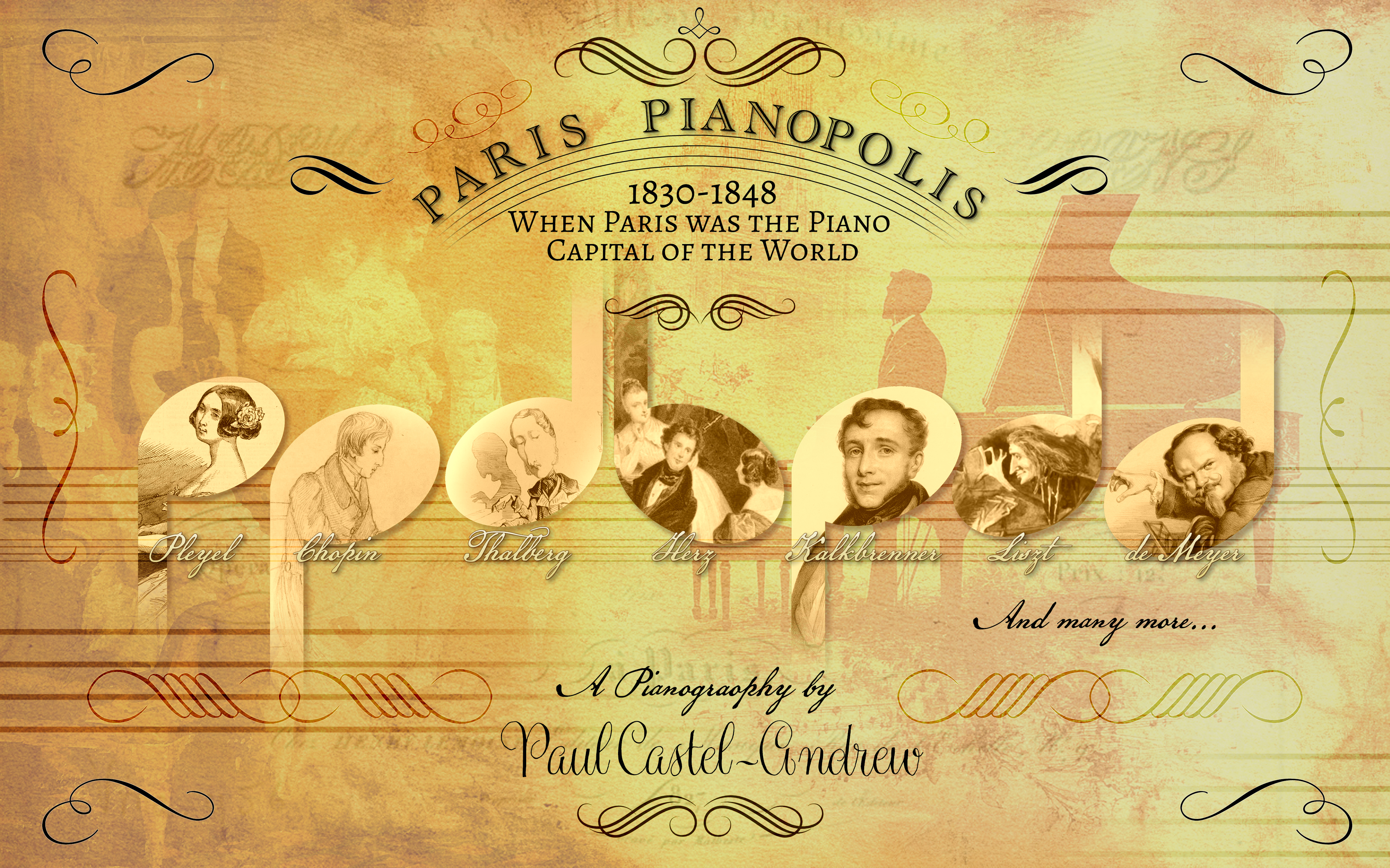
From 1830 to 1848, Paris was the beating heart of the piano world—where composers, pianists, and craftsmen shaped the sound of an era.
Paris Pianopolis
Paris Pianopolis follows the lives of pianist-composers and piano makers. It features famous artists like Liszt and Chopin and opens our eyes to others like Kalkbrenner and Herz, who although famous at the time, are now completely forgotten.
From 1830 to 1848 Paris was at the heart of the Romantic era, a time when emotion, individualism, imagination and an emphasis on nature ruled the arts. Paris was also the capital of all things piano, from manufacturing and innovation to the battleground for the world's up and coming piano virtuosos.
"Like a plague of locusts, piano-forte thumpers swarm into Paris each winter, less to make money than to make a name for themselves."
— Heinrich Heine, music writer and poet
About the Book
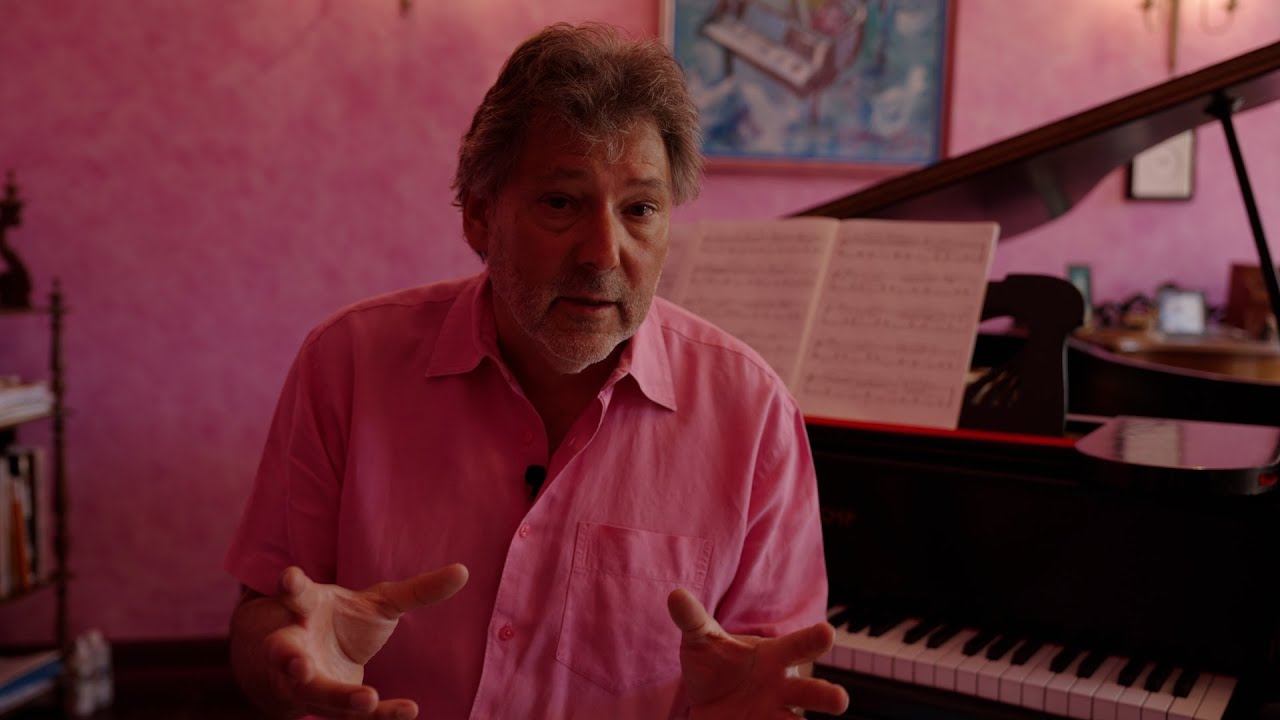
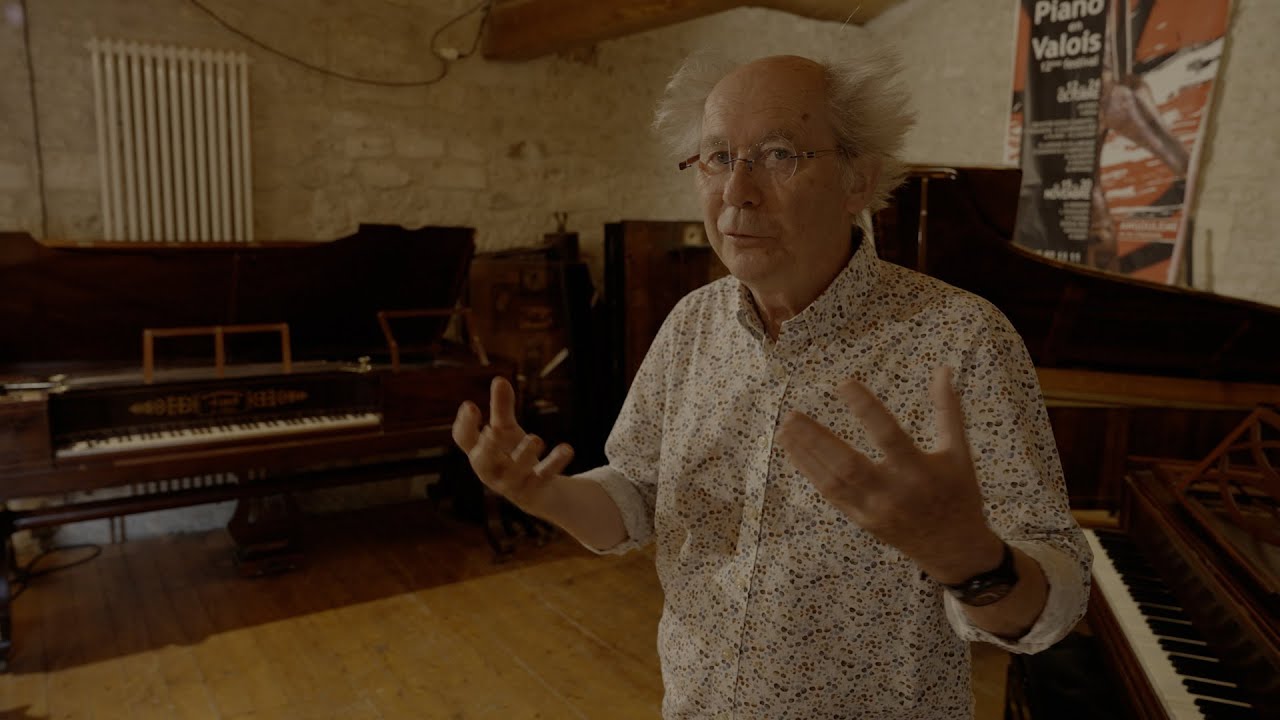
Paris Pianopolis author Paul Castel-Andrew talks of his passion for when Paris was the capital of all things piano.
The book, set to be launched in 2026, will be released chapter by chapter on the internet with a hardcopy book being published afterwards.
The website is a sneak peek at the book.
For more information, please contact us at pianopolispa@gmail.com.
Explore the Journey
Wikimedia Commons
French Revolution to Pianopolis
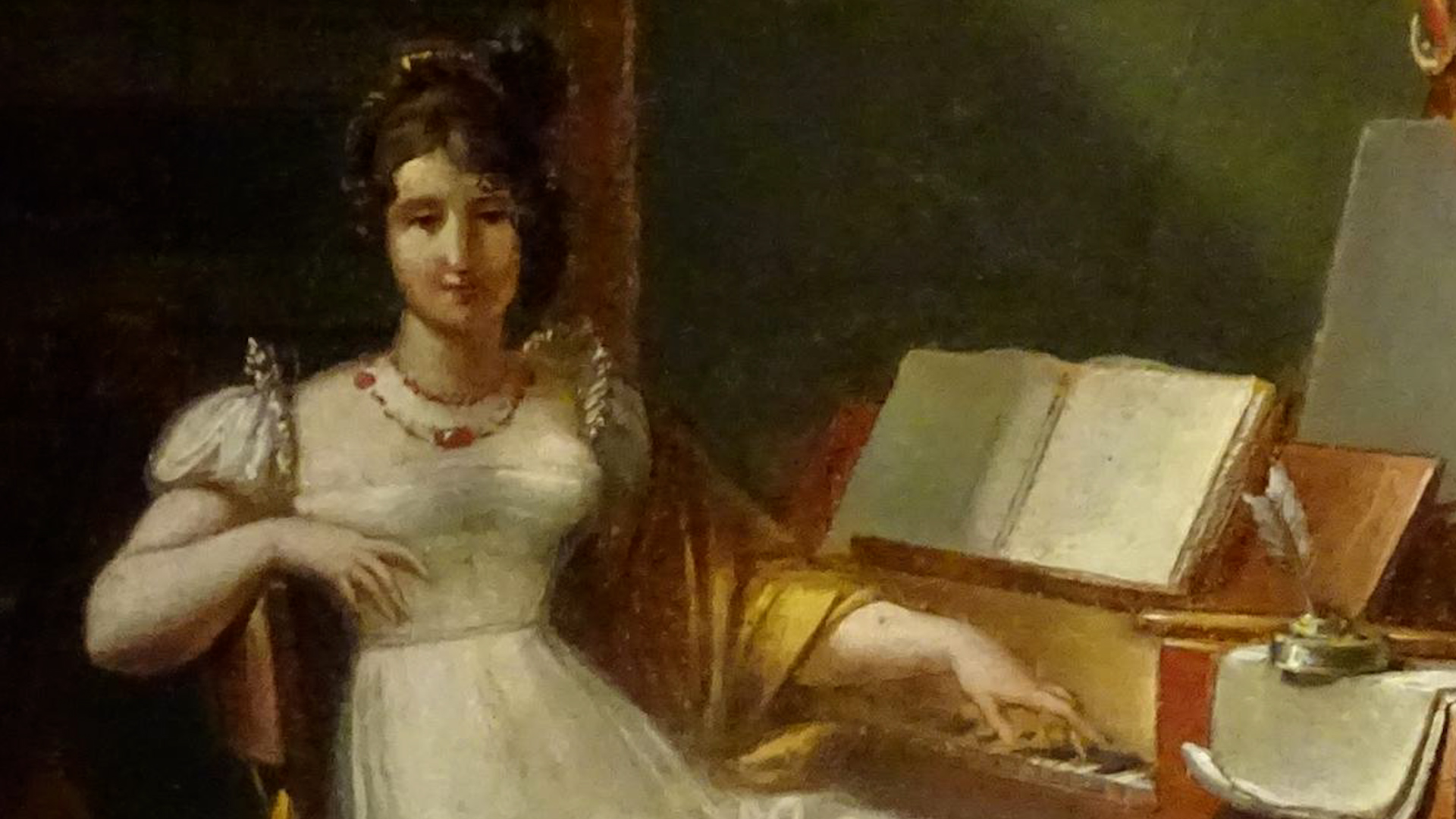
The French Revolution marked a shift away from the aristocratic harpsichord toward the bourgeois newcomer, the piano. Pianos were originally known as pianofortes because, unlike the harpsichord, the performer could modulate the volume from piano (soft) to forte (loud). Being easier to manufacture in series and much less expensive than harpsichords, they quickly gained popularity, paving the way for Paris to become Pianopolis.
Book excerpt: The pianoforte arrives and the harpsichord dies
Source gallica.bnf.fr/BnF
Innovators Emerge
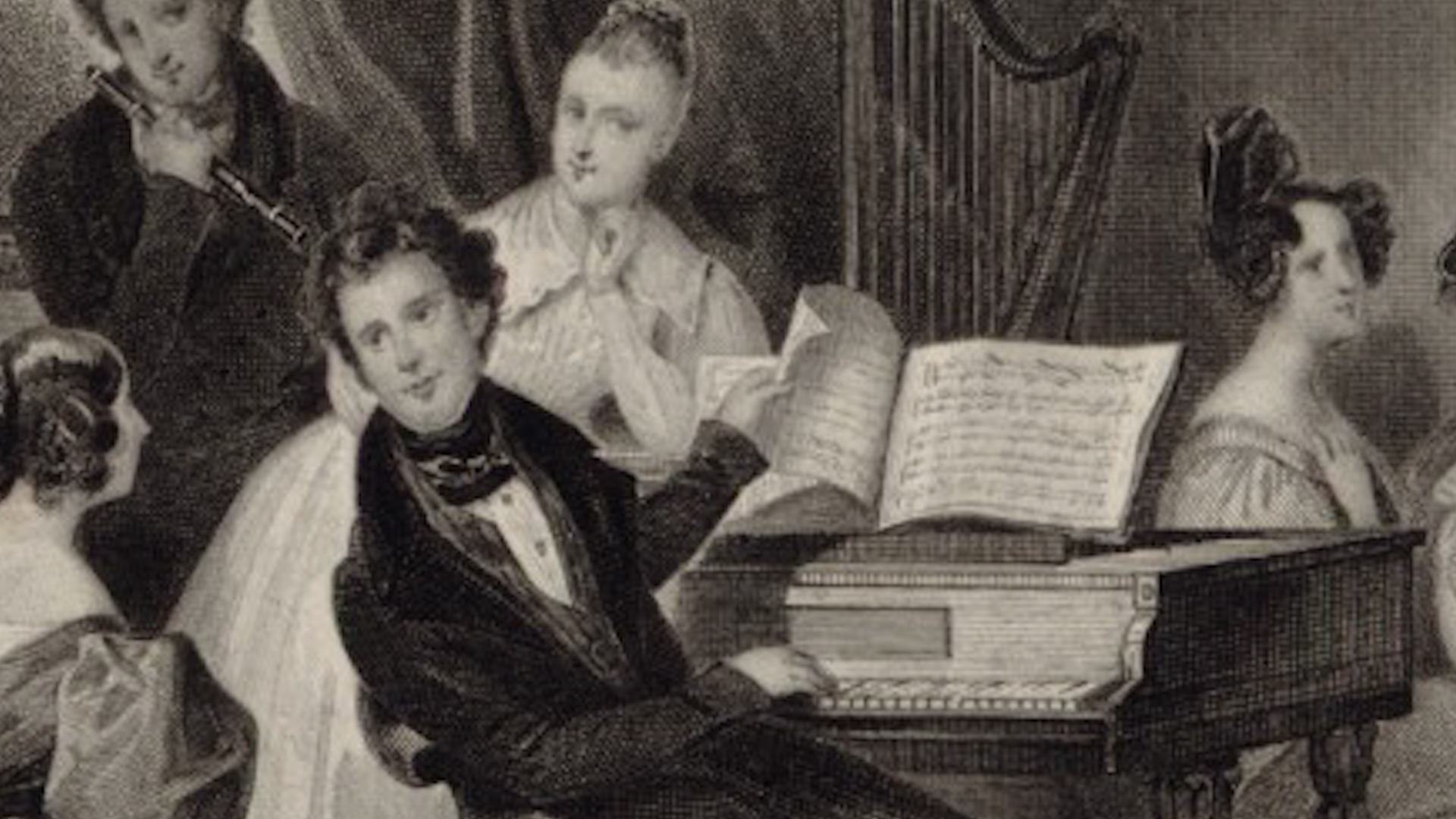
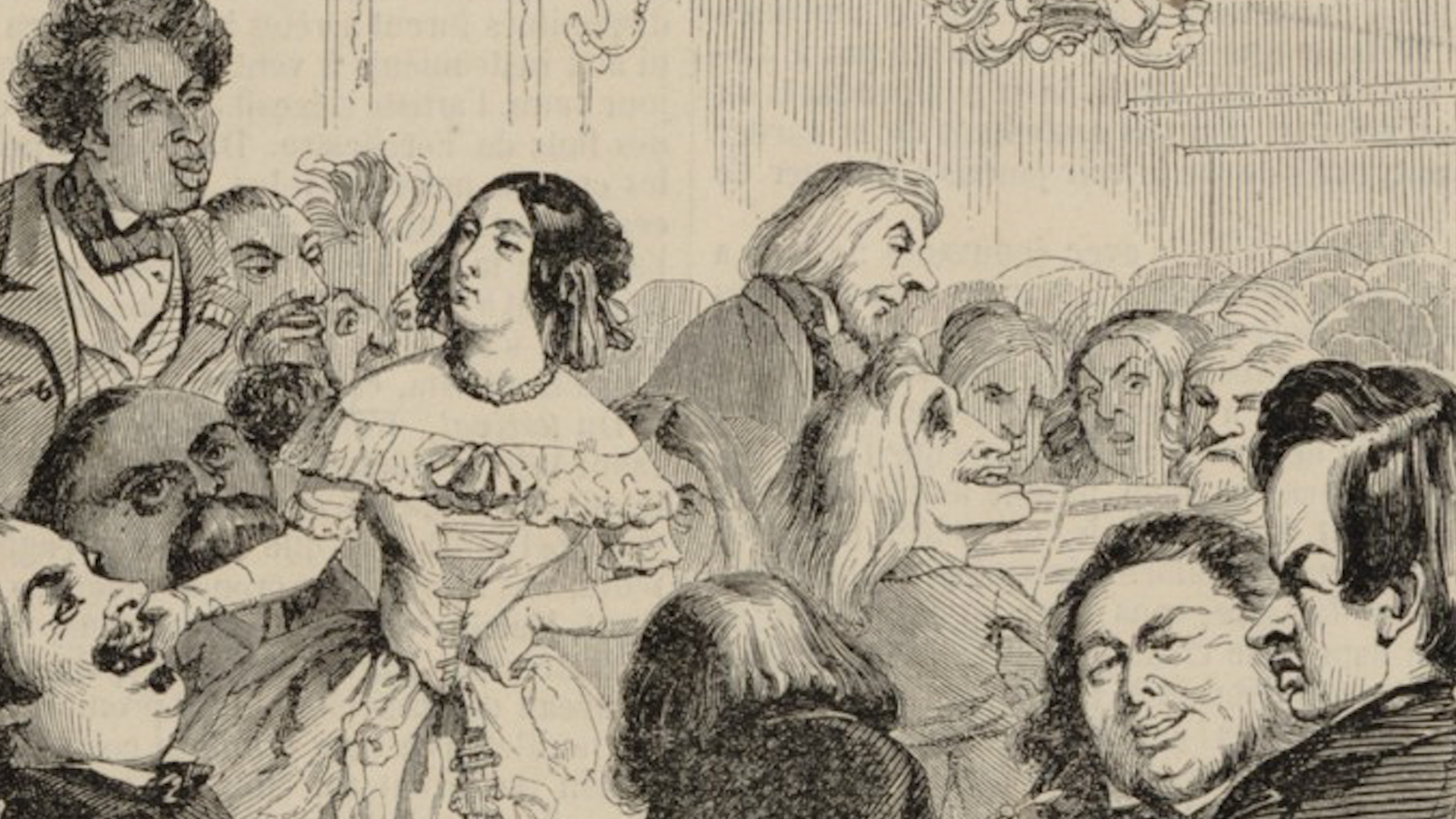
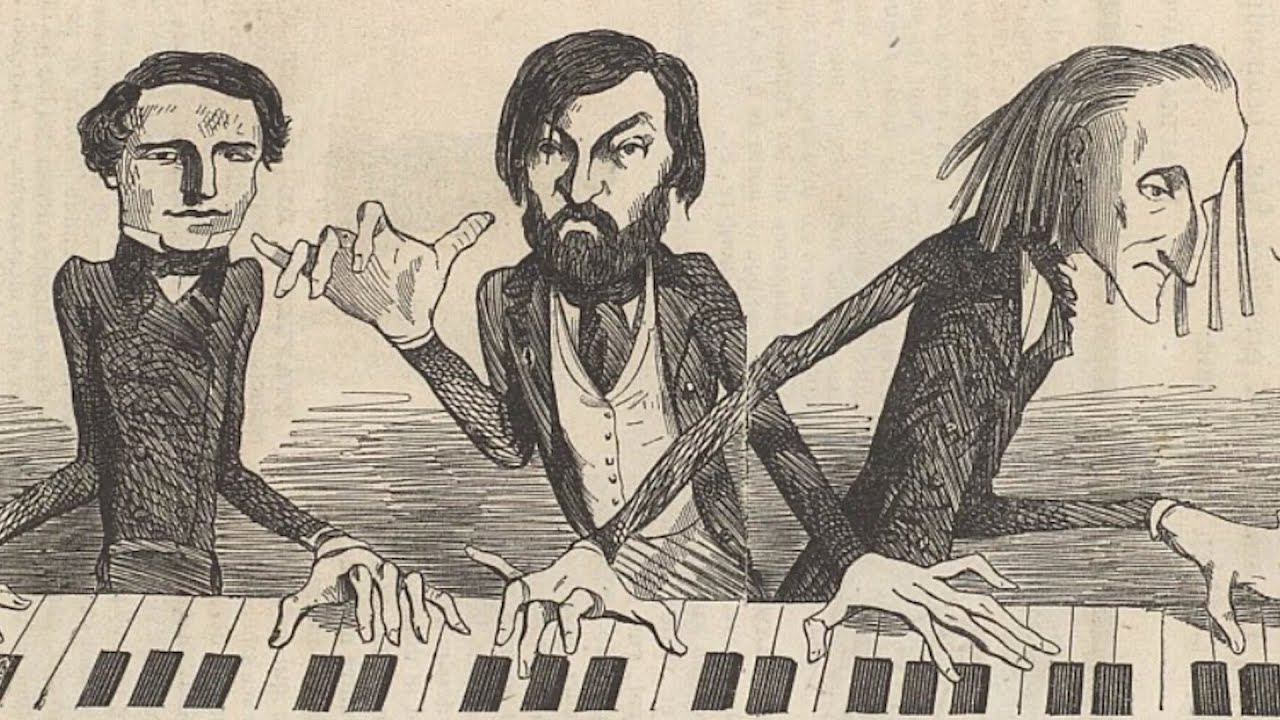
In the 1820s, piano manufacturers such as Érard and Pleyel brought innovative improvements to piano design, while the reputation of up-and-coming piano virtuosos such as Henri Herz, Friedrich Kalkbrenner, and the young Franz Liszt soared into the stratosphere of the 1820s.
Book excerpt: Erard – "The Invention"
Source gallica.bnf.fr/BnF
Romantic Capital of Europe
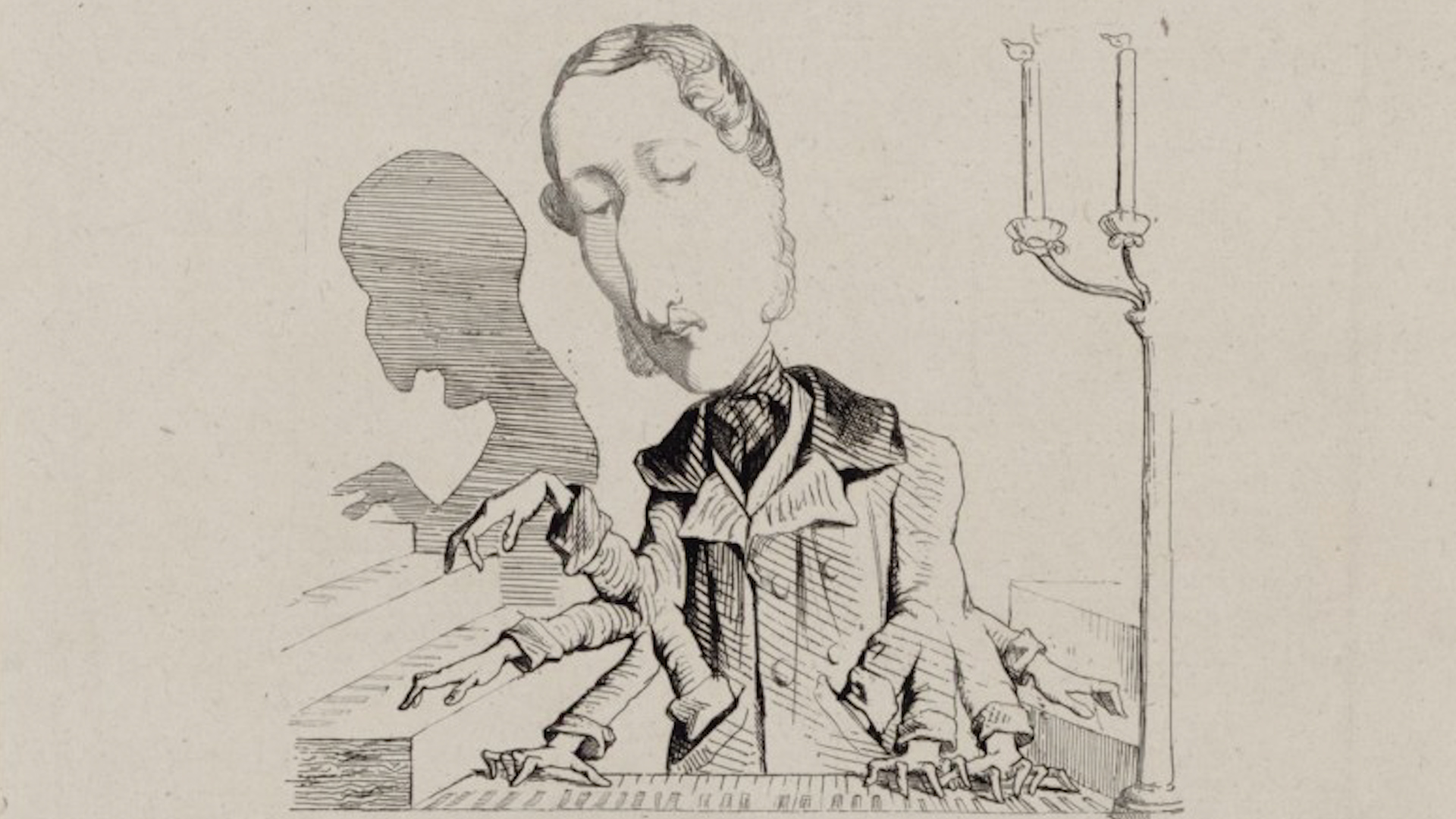
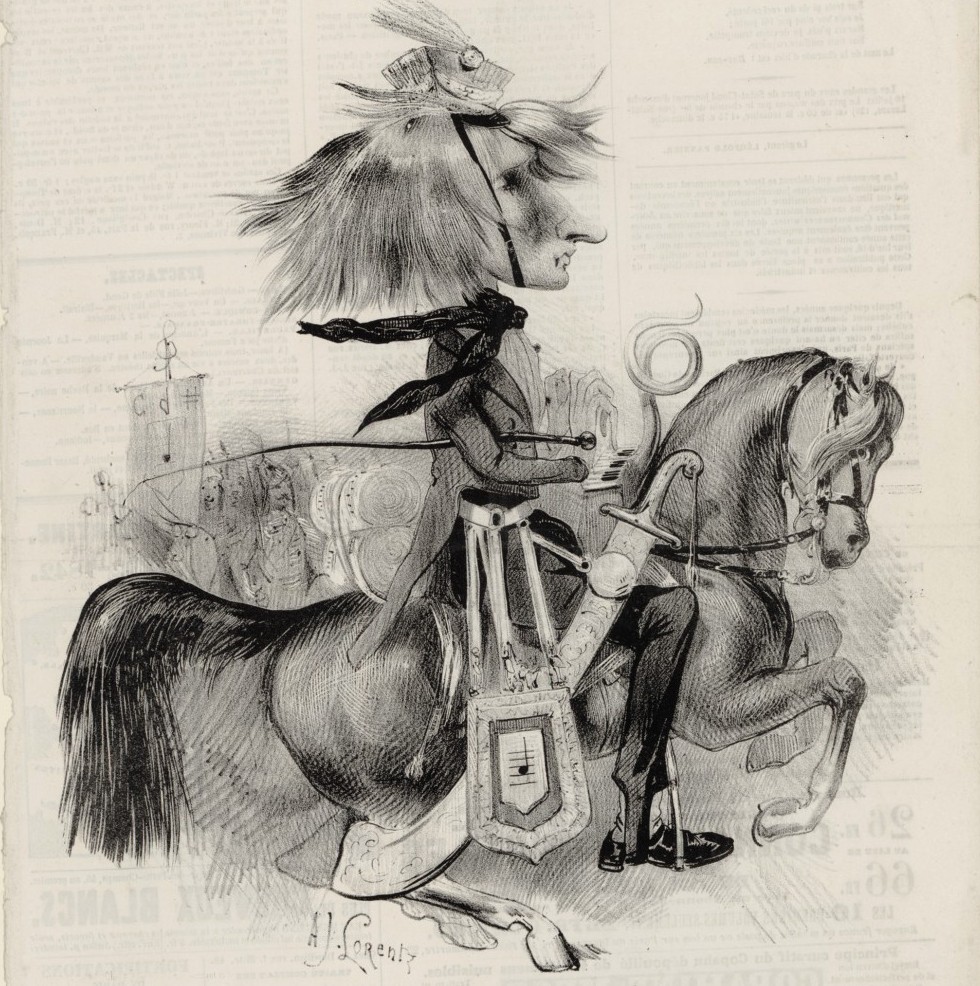
The Romantic Revolution crowns the solo virtuoso as Paris' new hero. Chopin and Liszt dethrone Herz and Kalkbrenner.
Book excerpt: Romantic Revolution
Source gallica.bnf.fr/BnF
School of Virtuosity Part 1 and 2
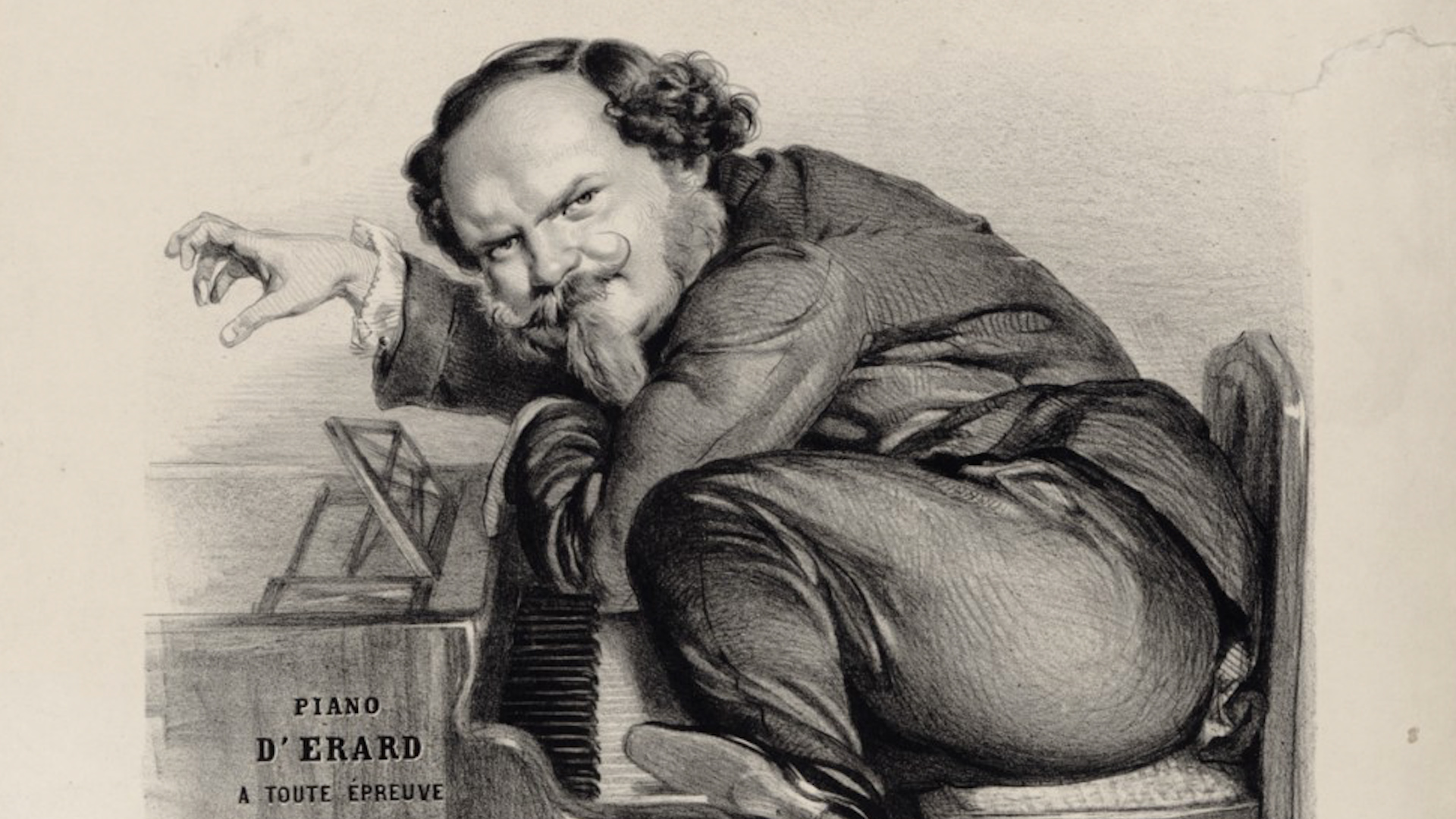
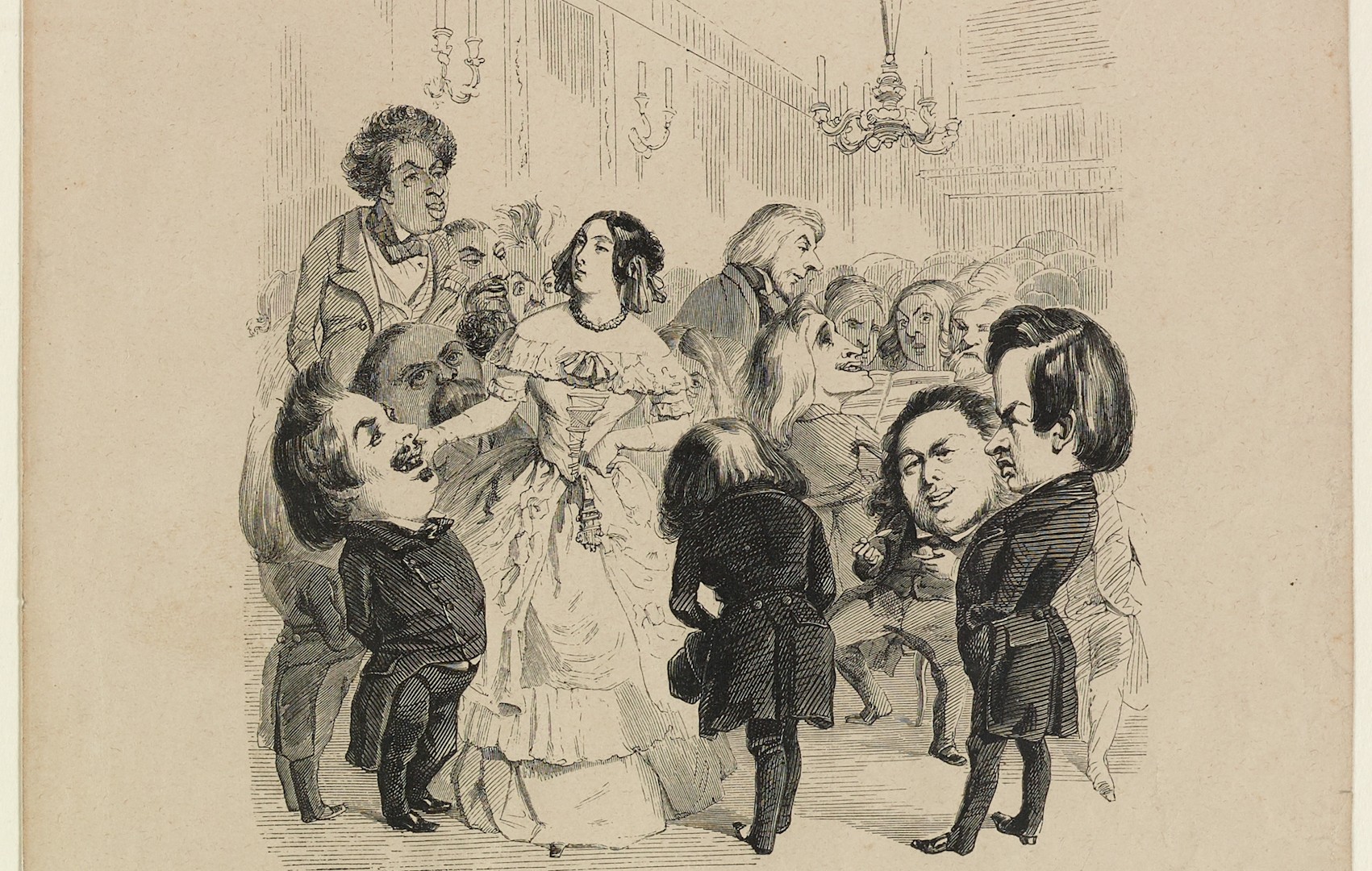
Liszt flees to Switzerland, Thalberg storms Paris, and a showdown brews when Liszt rushes back. Other musicians try to make it in Paris either as serious composers or the next virtuoso darling.
Book excerpt: Liszt and Thalberg Showdown
Source gallica.bnf.fr/BnF
Peak of Virtuosity
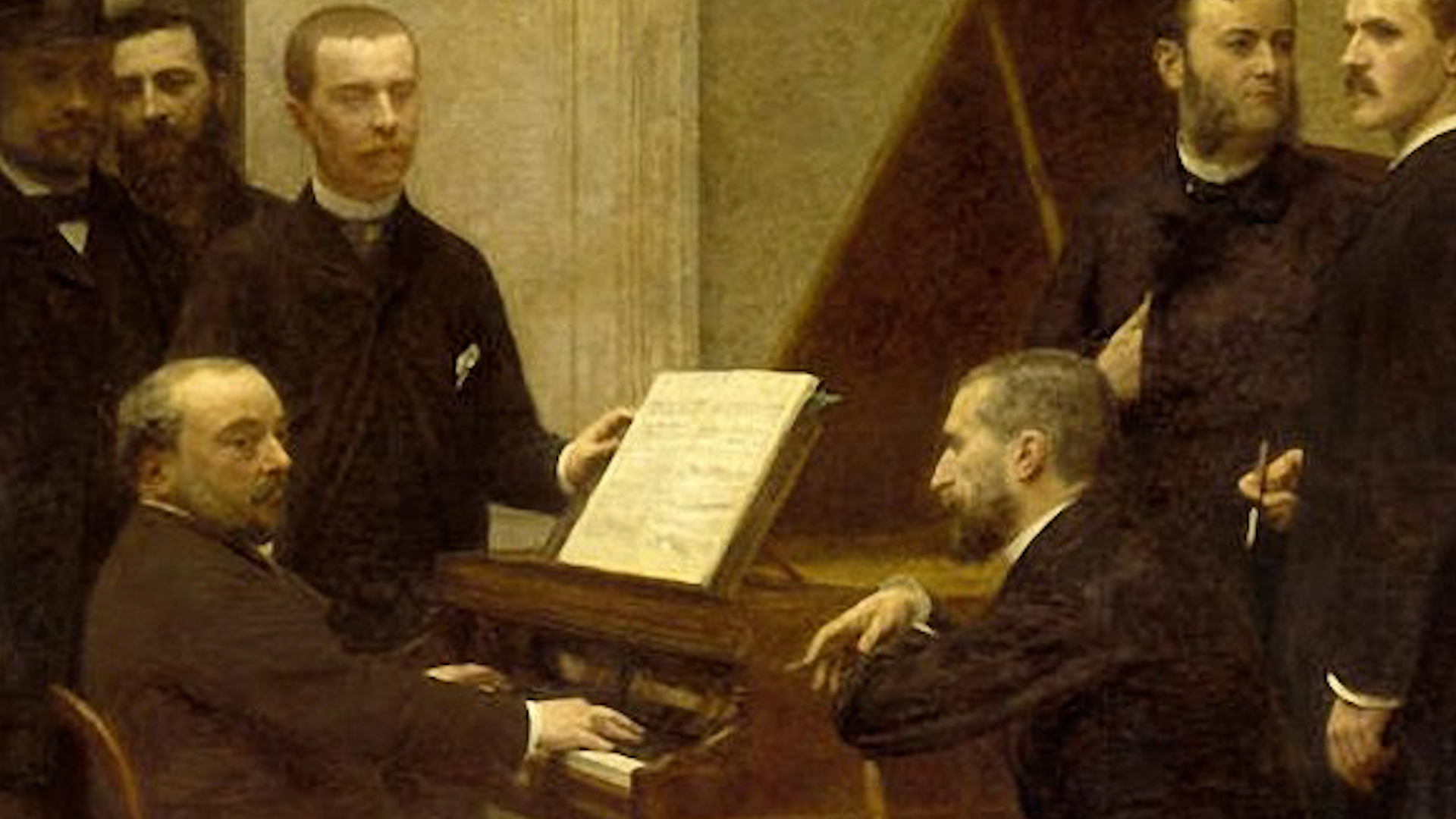
New hopefuls chase fame while Liszt premieres the solo recital and a wave of dazzling virtuosos flood Paris.
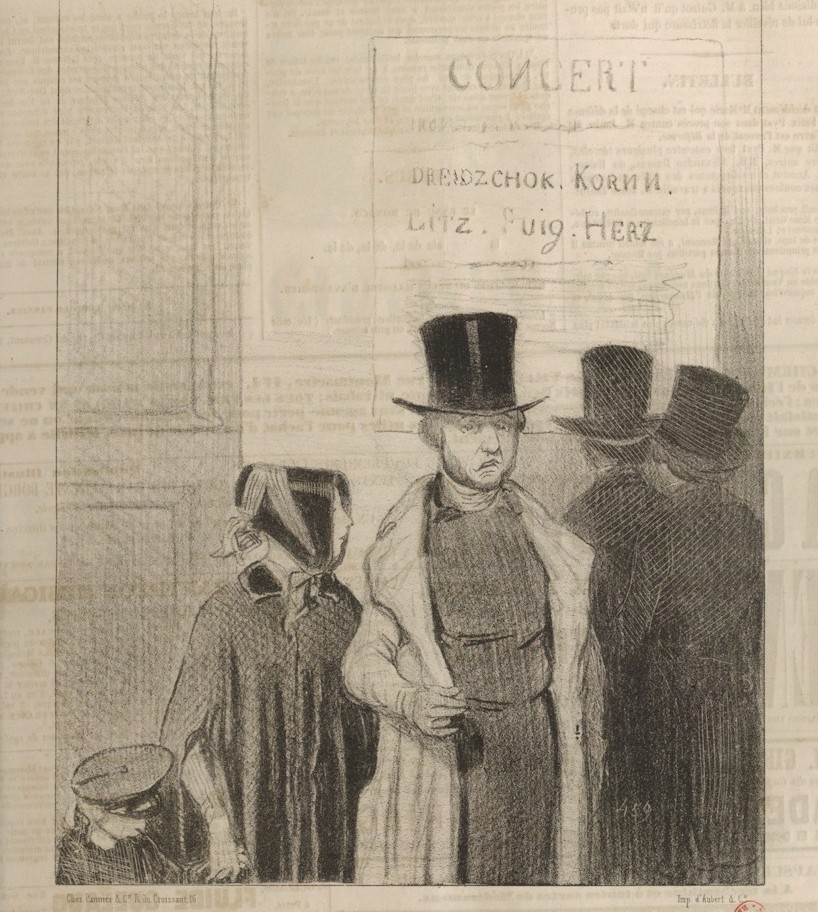
Book excerpt: Dreyshock "A Rocket of Notes"
Wikimedia Commons
End of Virtuosity
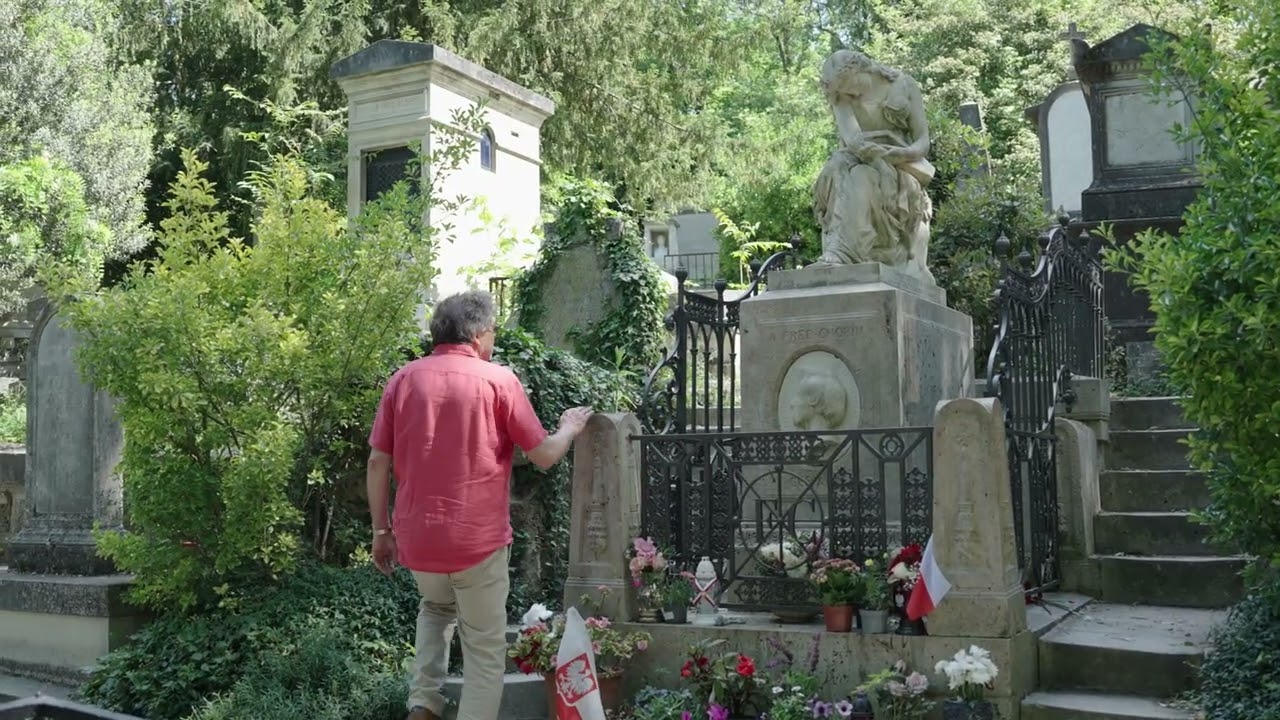
After Chopin's death and Liszt's departure, Paris pivots from virtuosity to serious music, paving the way for Belle Époque musicians.
Book excerpt: The End of Virtuosity
.jpeg)